Malaysia Begins Controversial Repatriation of Rohingya Asylum Seekers to Myanmar
The Malaysian government has begun sending back roughly 5,000 asylum seekers, most of whom are believed to be Rohingya refugees, to Myanmar. The move follows a controversial deal struck with the country’s military ruler Min Aung Hlaing.
Repatriation Deal Launched
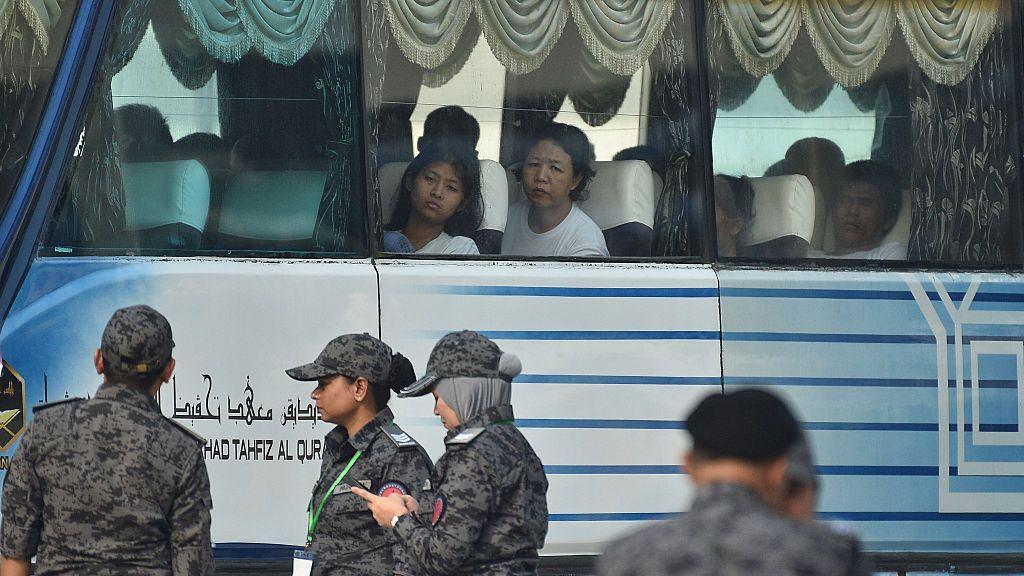
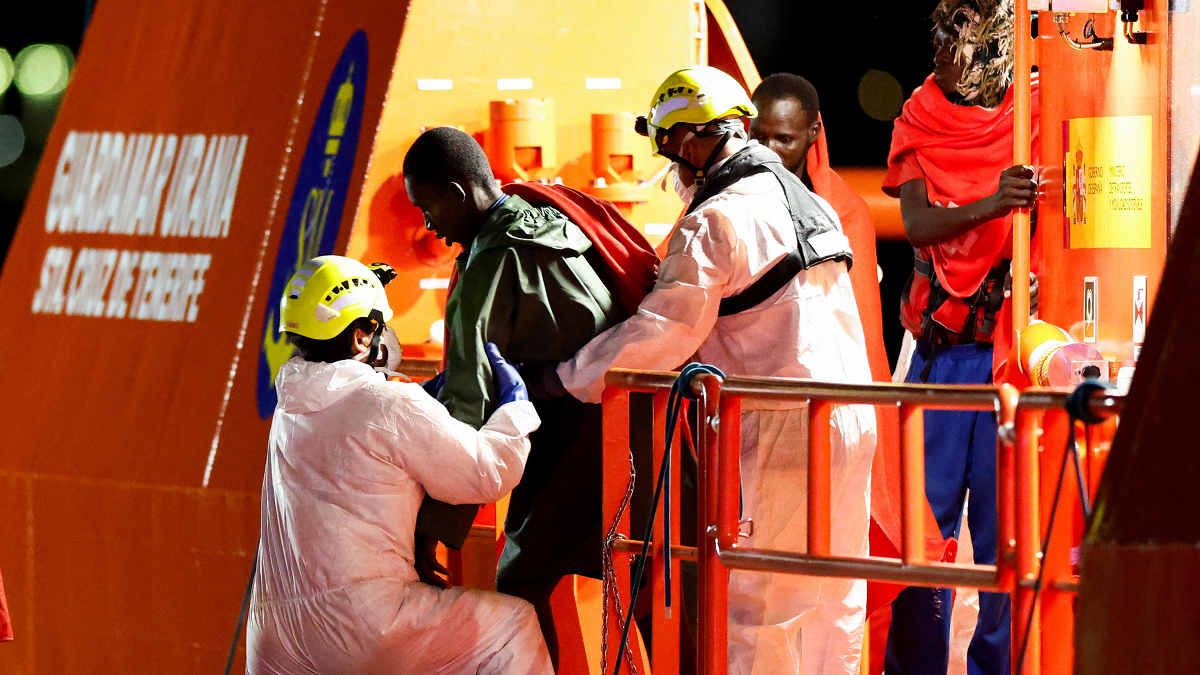
Three navy ships departed from Malaysia on Tuesday carrying the first 1,476 returnees. Malaysia claims the departures are voluntary, but human‑rights groups argue that the returnees could face violence, persecution and forced conscription into the Myanmar army. Detention centres in Malaysia have barred UN refugee agency staff from inspecting the returning individuals.
Public Sentiment Turns Aqueous
For years Malaysians showed sympathy for the human‑rights struggle of their fellow Muslims in the Rakhine State. The brutal crackdown on Rohingya in 2017 forced about a third of a million refugees into Bangladesh, where dire camp conditions drove many to brave the sea and seek shelter in Malaysia. For a decade, the presence of an estimated 200,000 Rohingyas was tolerated.
Pandemic‑driven economic hardship amplified anti‑immigrant sentiment. Social‑media posts accusing Rohingyas of spreading disease or demanding land sparked public outrage. In May 2026 a viral complaint claimed they had failed to manage animal waste after Eid al Adha, igniting a petition on Change.org that gathered more than 400,000 signatures before being removed.
Anwar Ibrahim Faces Political Pressure
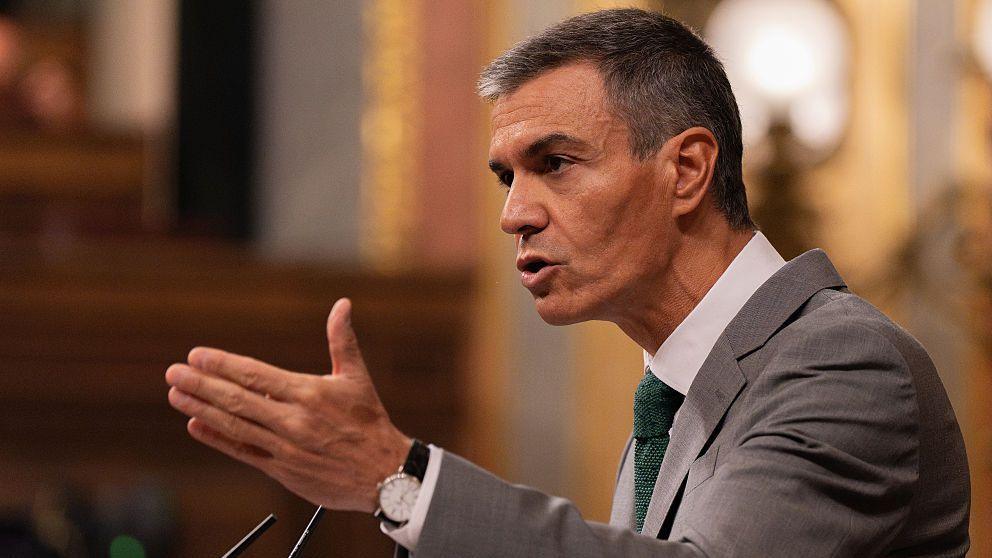
Prime Minister Anwar, once celebrated as a champion of liberal values, defended the repatriation in a recent interview, noting the Rohingyas have become a “burden” on the economy and national security. His constituency has shifted to support UMNO’s narrative of protecting Malay interests, eroding his popularity after a coalition that crumbled in 2018. Analysts warn that he must call a general election no later than 2028.
Humanitarian Concerns Mount
No Rohingya possesses the documentation required to enter Myanmar legally. Even the few who could return would be confined to Rakhine State, largely under the control of the insurgent Arakan Army and subject to continued air strikes. The only viable destination — the besieged capital Sittwe — remains inaccessible, and men could be conscripted to fight in the civil war.
Human‑rights advocates fear that the repatriation will violate the principle of non‑refoulement and expose refugees to further harm. They call for Malaysian officials to listen to the deported individuals and treat them with dignity rather than forcing them back into a dangerous homeland.
The shift signals a stark change in Malaysia’s approach to refugees, likely driven by economic strain, rising nationalist politics and a need to placate a growing anti‑immigrant public.