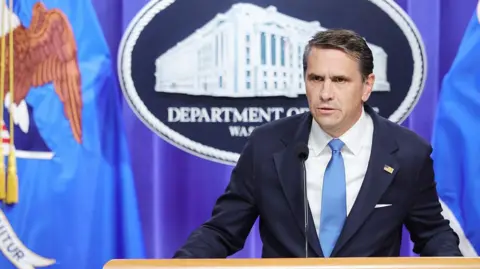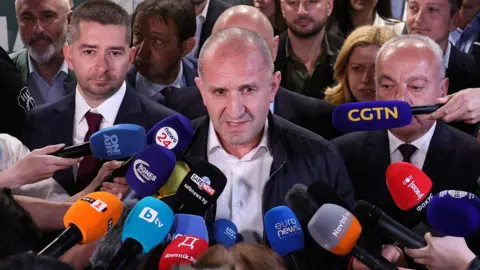
The United States has levied sanctions against Antal Rogan, a key aide to Hungarian Prime Minister Viktor Orban and the minister overseeing his cabinet office. This action, which comes during the waning days of the Biden administration, underscores the strained ties between the two NATO allies, especially in the wake of Russia's aggressive actions in Ukraine over the past three years. Outgoing US Ambassador David Pressman described Rogan as a "primary architect, implementer and beneficiary" of a pervasive culture of corruption in Hungary.
Pressman, who is set to depart Budapest shortly after a tenure marked by active diplomacy and vocal criticism of the Orban administration, positioned the sanctions as an assertion of American principles. He remarked that Rogan's influence and the corrupt system he reportedly manages, pose a greater threat to Hungarian sovereignty than these sanctions, which have drawn immediate rebuke from Hungarian officials.
Hungarian Foreign Minister Peter Szijjarto retaliated on social media, claiming the sanctions are reflective of the personal vendetta held by the departing ambassador, citing a lack of success in fostering positive US-Hungarian relations under the current administration. He expressed optimism about the upcoming changes in US leadership, anticipating a more amicable approach led by President-elect Donald Trump, who holds a favorable view of Orban.
Former US ambassador to Hungary, David Cornstein, echoed this sentiment, criticizing the sanctions as emblematic of the prior administration's hostility toward Hungary. The forthcoming Trump administration will face a critical choice: whether to rescind the sanctions against Rogan. However, the political landscape may complicate this decision, as Rogan also supervises Hungary's domestic security services. NATO allies have signaled concerns regarding trust in Hungary, particularly due to its government's ties to Russian President Vladimir Putin.
Compounding these tensions, there appear to be divisions within the Fidesz party regarding Rogan's conduct, as some officials have expressed discontent with his lifestyle and the significant power he wields, which they feel diverges from the party's professed conservative values.
Pressman, who is set to depart Budapest shortly after a tenure marked by active diplomacy and vocal criticism of the Orban administration, positioned the sanctions as an assertion of American principles. He remarked that Rogan's influence and the corrupt system he reportedly manages, pose a greater threat to Hungarian sovereignty than these sanctions, which have drawn immediate rebuke from Hungarian officials.
Hungarian Foreign Minister Peter Szijjarto retaliated on social media, claiming the sanctions are reflective of the personal vendetta held by the departing ambassador, citing a lack of success in fostering positive US-Hungarian relations under the current administration. He expressed optimism about the upcoming changes in US leadership, anticipating a more amicable approach led by President-elect Donald Trump, who holds a favorable view of Orban.
Former US ambassador to Hungary, David Cornstein, echoed this sentiment, criticizing the sanctions as emblematic of the prior administration's hostility toward Hungary. The forthcoming Trump administration will face a critical choice: whether to rescind the sanctions against Rogan. However, the political landscape may complicate this decision, as Rogan also supervises Hungary's domestic security services. NATO allies have signaled concerns regarding trust in Hungary, particularly due to its government's ties to Russian President Vladimir Putin.
Compounding these tensions, there appear to be divisions within the Fidesz party regarding Rogan's conduct, as some officials have expressed discontent with his lifestyle and the significant power he wields, which they feel diverges from the party's professed conservative values.