In brief
A Russian tanker has docked in Cuba, delivering 730,000 barrels of oil, the first such shipment since January. This comes amid a reported easing of the U.S. blockade, coinciding with nationwide fuel shortages and blackouts in the island nation. While the White House claims no change in policy, President Trump indicated support for countries supplying fuel to help Cubans survive. The situation underscores the urgent need for resources in Cuba, which is facing severe operational challenges in hospitals and other sectors.
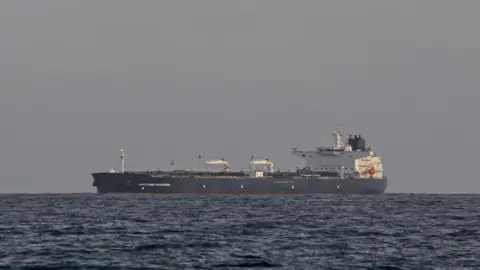
A Russian-owned tanker carrying an estimated 730,000 barrels of crude oil has docked on the northern coast of Cuba, ending a near-total fuel blockade by the U.S. on the communist-run island.
The tanker's arrival marks the first crude oil shipment to dock in one of Cuba's ports since early January.
This event follows an apparent softening in Washington's oil blockade, after President Trump said last weekend that he had no problem with countries sending fuel to Cuba.
The country has been hit by a series of nationwide blackouts, and most hospitals have been unable to operate normally, with severe rationing in place.
The Anatoly Kolodkin oil tanker arrived in the port of Matanzas, east of Havana, on Tuesday.
President Trump said on Sunday that he did not object to other nations sending oil to the island because Cubans have to survive.
Cuba was cut off from oil supplies in January after U.S. forces captured its main regional ally, Venezuela's socialist leader Nicolás Maduro - and Trump threatened to impose tariffs on countries that sent oil to the island.
While White House Press Secretary Karoline Leavitt stated that the decision to allow the ship's arrival was made to address humanitarian needs, she confirmed that there has been no change in the blockade policy.
However, despite the oil now in Cuba, it still needs to be processed at an aging refinery in Havana, a task that could extend over a week.
The island's current fuel crisis has resulted in limited hospital operations and forced closure of schools and government offices. The vital tourism sector is also suffering as a result.
Drivers are facing strict purchase limits of fuel, capped at 20 liters with long wait times managed via a state-run app, and payments must be made in U.S. dollars.
Experts warn that the arrival of Russian oil might only temporarily stabilize the situation, emphasizing the critical need for diesel fuel for essential services.