In brief
Angolan authorities have arrested two Russians, Igor Ratchin and Lev Lakshtanov, accusing them of orchestrating a disinformation campaign aimed at fostering protests against the government ahead of the presidential elections. The indictment claims their actions were part of a broader operation linked to the now-defunct Wagner Group, stirring controversy over the boundaries of foreign influence and domestic unrest. The two men face serious charges, while their defense argues the allegations lack substantial evidence.
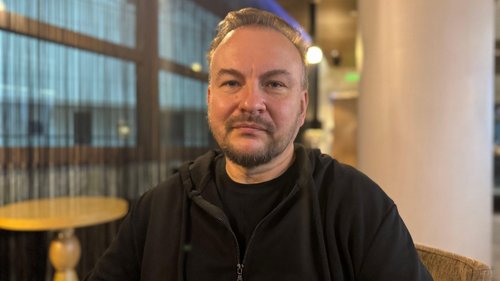
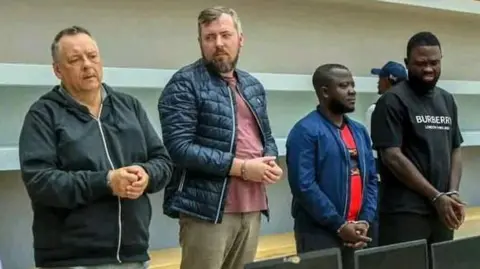
Two Russians are due to go on trial in Angola accused of stirring up anti-government protests and conducting a campaign of disinformation ahead of next year's presidential election. Arrested last August, political consultant Igor Ratchin and translator Lev Lakshtanov are facing 11 charges, including terrorism, espionage, and influence peddling. The BBC has obtained a copy of the indictment that details a purported operation aimed at changing Angola's political landscape.The Russians' lawyers are challenging the indictment, stating that it lacks 'concrete and objective facts.' The prosecution has alleged that the Russians acted on behalf of Africa Politology, a shadowy network of operatives that emerged from the now-defunct Wagner Group, which has been influential across Africa for over a decade. Notably, the Russians' defense maintains they were merely attempting to establish a cultural connection in Luanda.Angola's strategic resources like oil and diamonds make it an area of interest for Moscow, especially since relations between Angola and Russia have strained in recent years. With the rise of political operatives linked to the Wagner Group in several African nations, Angola represents a potentially new frontier. However, recent allegations concerning influence operations are sparking debates about the authenticity of local protests versus foreign interference. Additionally, the trial will feature two Angolans, journalist Amor Carlos Tomé and political activist Francisco Oliveira, who allegedly collaborated with the Russians.Amid these tensions, many activists and journalists argue that the protests stemmed from domestic grievances, questioning the validity of using the Russians as scapegoats for complex socio-political issues within Angola.