In brief
Across the United States, numerous proposed data centers are facing significant backlash from local communities who are concerned about their environmental impact, noise pollution, and increases in utility costs. Municipalities are grappling with how to handle these projects, and growing public outcry is prompting many developers to reconsider their approaches and engage with residents more effectively.
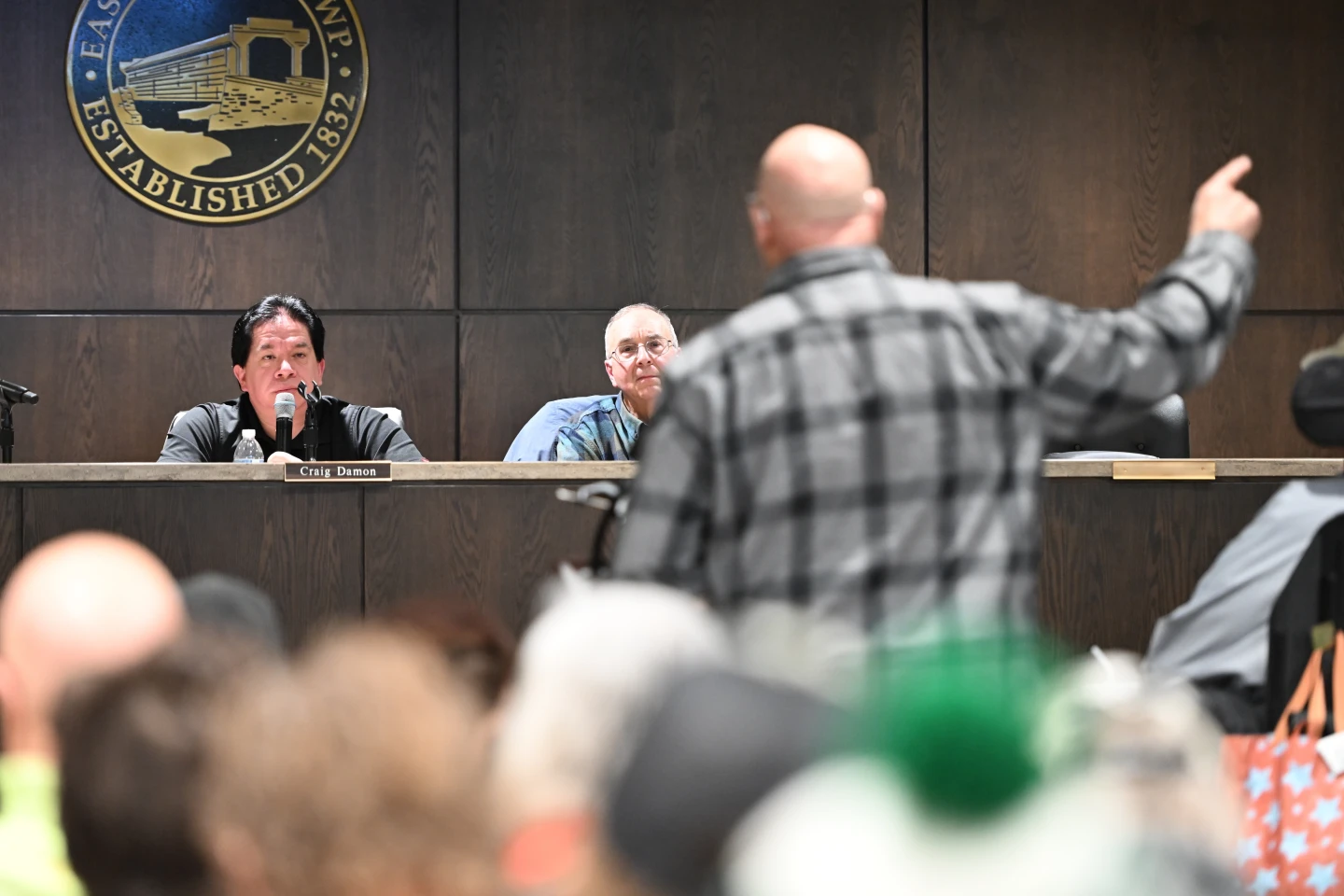
SPRING CITY, Pa. — As tech companies and developers pour billions into expansive data centers to support the booming artificial intelligence and cloud computing sectors, they are increasingly encountering strong opposition in various communities. Residents, now more informed and organized, are confronting municipal boards as they navigate zoning regulations and the implications of energy-hungry data centers that could disrupt their neighborhoods. Local meetings that once saw few attendees are now packed with frustrated citizens, voicing their concerns over the proximity of these developments. Larry Shank from East Vincent Township, Pennsylvania, posed a poignant question to local supervisors: 'Would you want this built in your backyard?' His sentiment is shared by many as data centers become a growing concern nationwide. In a trend resonating across the country, the number of proposals facing local opposition has surged. Andy Cvengros of JLL noted an uptick in grassroots campaigns against these projects, with residents actively spreading awareness and rallying support. Reports indicate that between April and June, 20 data center proposals valued at nearly $100 billion were blocked or delayed due to rising local dissent. Concerns range from environmental hazards to quality of life disruptions, including increased electric bills and potential damage to local resources. Some detractors highlight the risk of losing farmland and green spaces, along with worries about health implications from on-site diesel generators and incessant server noise. The pushback against data centers isn't limited to environmental concerns. Residents are also frustrated by what they perceive as a lack of transparency from local governments and developers. Instances of secrecy have exacerbated the situation, with communities feeling blindsided by projects that have been in the works for extended periods without local knowledge. Big Tech firms—Microsoft, Google, Amazon, and Facebook—are investing heavily in data centers globally, but their responses to these local challenges remain vague. Microsoft acknowledged in a recent securities filing that community opposition poses a significant risk to infrastructure development. In some regions, local governments are struggling to reconcile the benefits of these developments with public sentiment. Efforts to rezone land for data centers often face spirited opposition, leading developers to pull proposals amidst overwhelming public resistance. In one case, a project in North Carolina was pulled before a unanimous local defeat could occur. Efforts to bridge the gap between developers and residents are ongoing, focusing on transparent communication about the benefits of such projects and initiatives to protect local interests. As the landscape of data centers continues to evolve, the battle for community acceptance is likely to intensify.