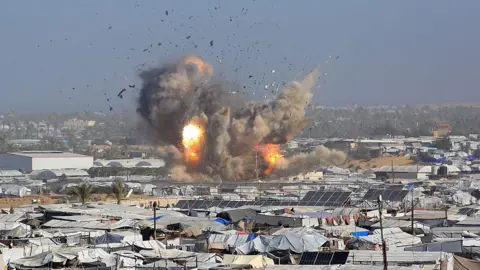
Once again the boom of artillery, rockets and air strikes sounds along the Thai-Cambodian border. Villages in a corridor stretching for hundreds of kilometres have been evacuated for a second time in five months. Families and their pets sit on mats in temporary shelters, wondering when they can go home, and when they might be forced to flee yet again.
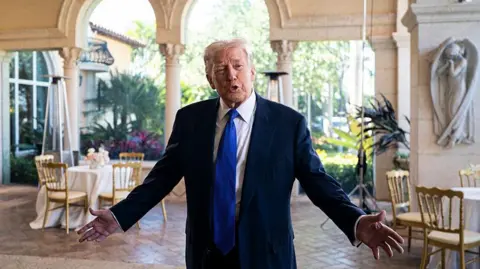
Why has this happened so soon after the ceasefire brokered by US President Donald Trump in July? It was ignited by a seemingly minor incident on Sunday, when a Thai engineering team working on an access road in the disputed area of the border was, according to the Thai army, fired on by Cambodian troops. Two Thai soldiers were injured, neither seriously.
In the past this might have been settled by some fleet-footed diplomacy. But there has been little of that this year. Instead, a yawning gulf of mistrust lies between these two neighbours, one even Trump's deal-making prowess has failed to bridge.
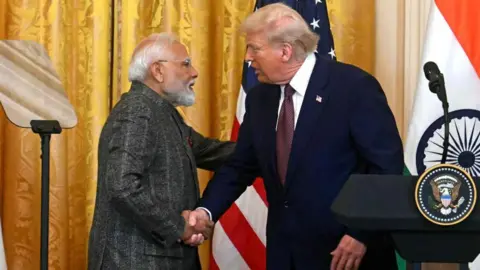
Despite claims of a historic peace deal, the ceasefire was always tenuous. Thailand, uneasy about internationalising the border conflict, only agreed under duress, with Trump influencing the situation amidst tariff negotiations.
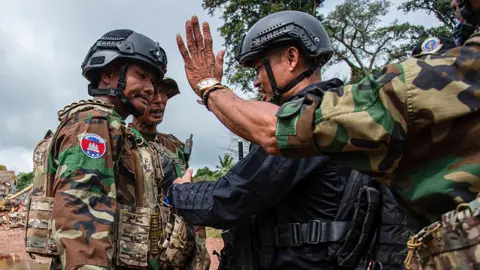
Cambodia, perceiving itself at a disadvantage, has been eager for international involvement. However, its military strategy has remained aggressive, continuing confrontations with Thai forces and laying new land-mines, causing significant casualties among Thai soldiers. Thailand has presented evidence of these violations and refused to release 18 of its troops captured earlier.
The current Thai administration has been granted a free hand to manage the conflict, aiming to assert pressure on Cambodia by inflicting damage that would prevent future threats to its border communities. The Thai military is determined to secure strategic positions previously held by Cambodian forces.
On the Cambodian side, internal politics are complex. Former Prime Minister Hun Sen's influence continues as he oversees current Prime Minister Hun Manet, utilizing the border conflict to appeal for international assistance while portraying Cambodia as besieged by a more powerful neighbour.
With public sentiment in Thailand increasingly aligning with military hardliners, the prospect of diplomatic resolution under Trump's intervention appears bleak as both parties remain suspicious and unwilling to negotiate sincerely. The situation implies that without meaningful changes from Cambodia, further conflicts are inevitable.