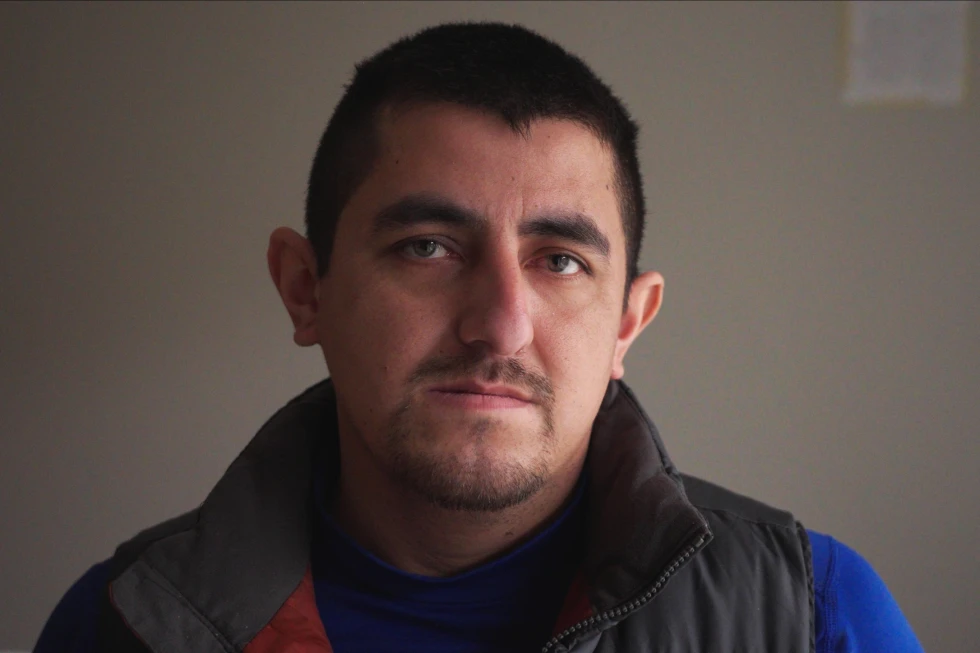
Saudi Arabia has surpassed its previous record for the number of executions carried out in a year, reaching at least 347 executions in 2025, according to the UK-based campaign group Reprieve. This surge marks the bloodiest year since such monitoring began and is a significant increase from the 345 executions recorded in 2024.
Reprieve reported that the last executed individuals were two Pakistani nationals convicted of drug-related crimes, part of a troubling pattern that has seen many victims sentenced for non-lethal offenses. Among those executed this year were a journalist, children at the time of alleged crimes, and a significant number were foreign nationals, indicating a harsh crackdown on drugs as part of Saudi Arabia's ongoing 'war on drugs'.
Rights advocates emphasize that two-thirds of all executions involved drug offenses, a practice deemed incompatible with international norms and standards, with many executed individuals being from nations far removed from the Saudi legal system.
Following these alarming trends, Jeed Basyouni, Reprieve's head for the Middle East and North Africa, articulated the dire situation, stating: 'Saudi Arabia is operating with complete impunity now,' calling out the cruel practices such as torture and forced confessions that are reported to be pervasive within the Saudi judicial framework.
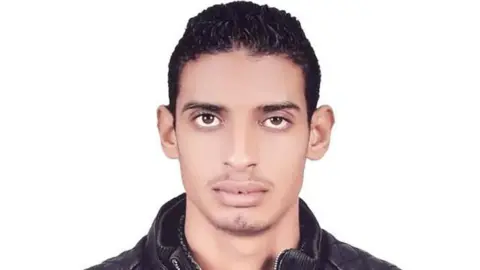
In a tragic case this December, Issam al-Shazly, an Egyptian fisherman, was executed after being accused of drug smuggling, which he claimed was done under duress. Reports have indicated that many executions are quietly handled, with families often left in the dark regarding the fate of their loved ones or the circumstances surrounding their deaths.
The broader context reveals a kingdom attempting to reform its image and economy while simultaneously tightening its grip on dissent and criminal activity, pushing the limits of its human rights obligations. Human rights activists argue that there have been no repercussions for policies that exacerbate the execution rates, raising global concerns about Saudi Arabia's commitment to human rights amidst a backdrop of significant social changes under de facto ruler Mohammed bin Salman.
Reprieve reported that the last executed individuals were two Pakistani nationals convicted of drug-related crimes, part of a troubling pattern that has seen many victims sentenced for non-lethal offenses. Among those executed this year were a journalist, children at the time of alleged crimes, and a significant number were foreign nationals, indicating a harsh crackdown on drugs as part of Saudi Arabia's ongoing 'war on drugs'.
Rights advocates emphasize that two-thirds of all executions involved drug offenses, a practice deemed incompatible with international norms and standards, with many executed individuals being from nations far removed from the Saudi legal system.
Following these alarming trends, Jeed Basyouni, Reprieve's head for the Middle East and North Africa, articulated the dire situation, stating: 'Saudi Arabia is operating with complete impunity now,' calling out the cruel practices such as torture and forced confessions that are reported to be pervasive within the Saudi judicial framework.
In a tragic case this December, Issam al-Shazly, an Egyptian fisherman, was executed after being accused of drug smuggling, which he claimed was done under duress. Reports have indicated that many executions are quietly handled, with families often left in the dark regarding the fate of their loved ones or the circumstances surrounding their deaths.
The broader context reveals a kingdom attempting to reform its image and economy while simultaneously tightening its grip on dissent and criminal activity, pushing the limits of its human rights obligations. Human rights activists argue that there have been no repercussions for policies that exacerbate the execution rates, raising global concerns about Saudi Arabia's commitment to human rights amidst a backdrop of significant social changes under de facto ruler Mohammed bin Salman.