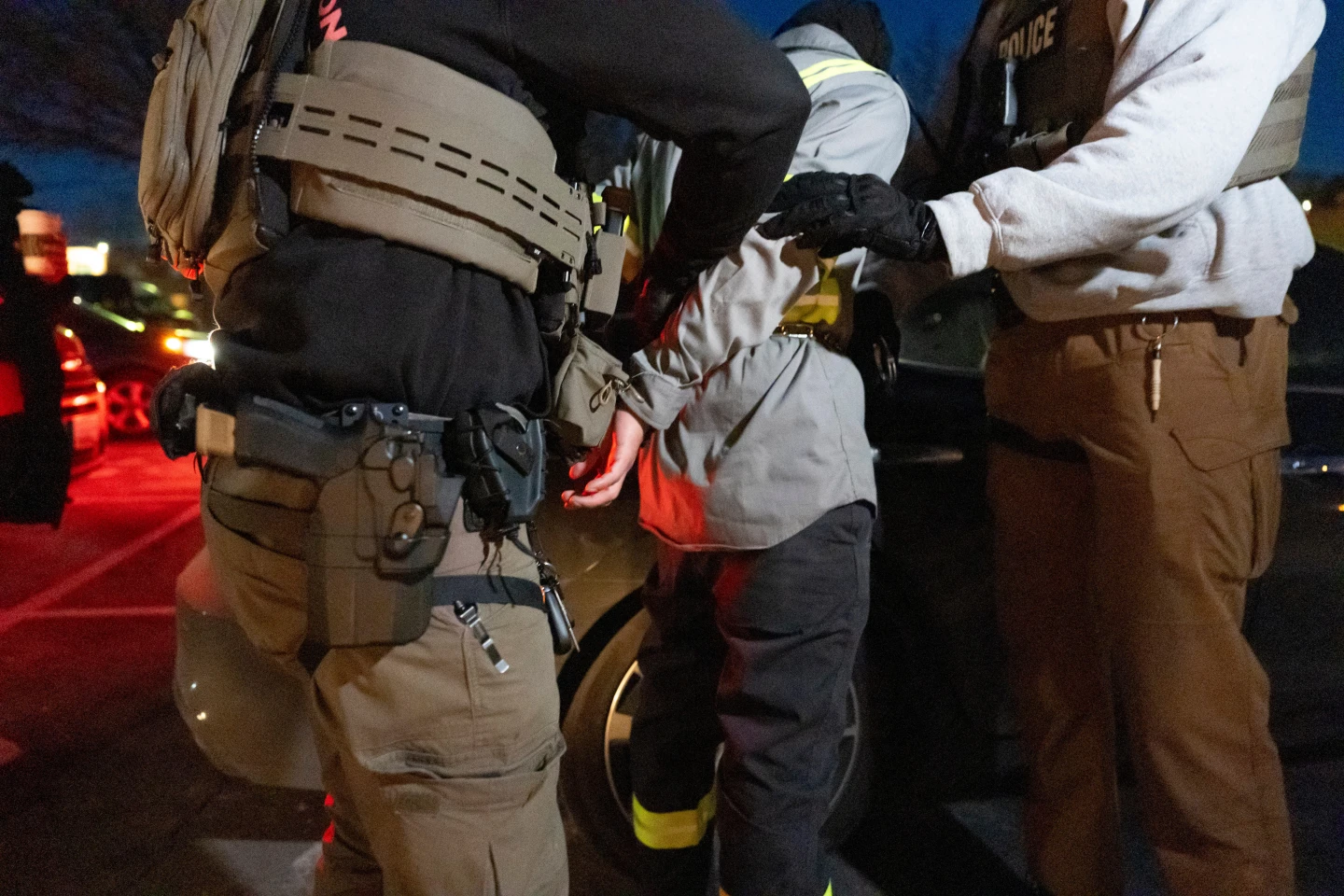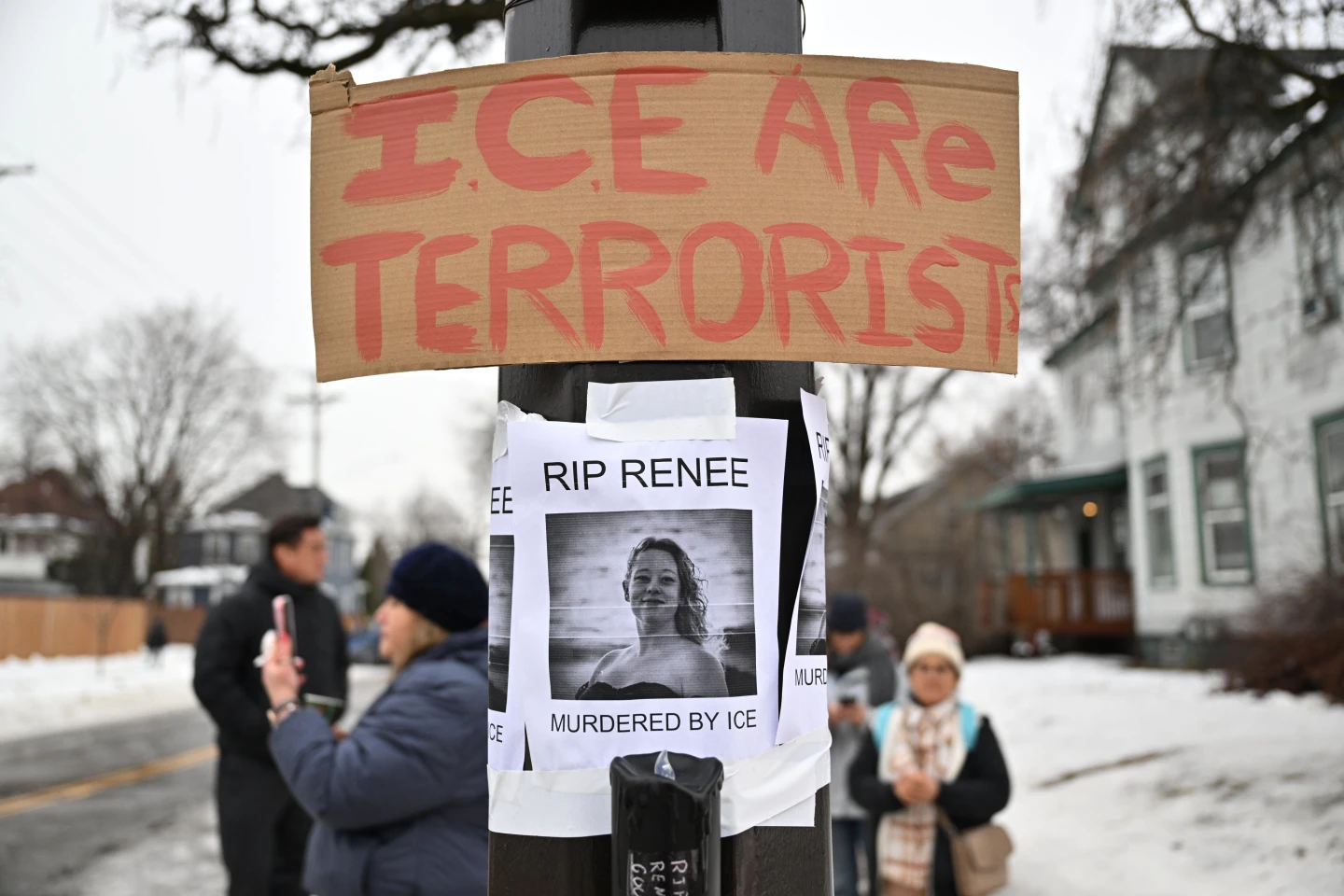
MINNEAPOLIS (AP) — Protests erupted on the streets of Minneapolis Thursday as public anger mounted over the shooting death of Renee Good, a 37-year-old mother of three, by an Immigration and Customs Enforcement (ICE) officer. The incident, part of an ongoing crackdown on immigration enforcement, has reignited debate over federal operations and the use of lethal force.
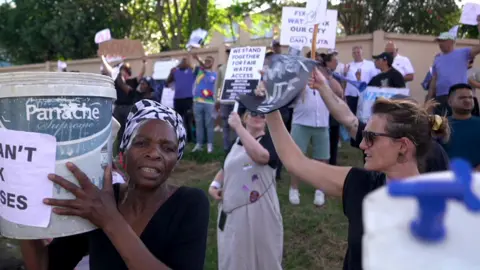
In the wake of Good's shooting, protesters gathered in freezing rain, chanting slogans such as “ICE out now” and denouncing the federal agency's presence in the community. Their march coincided with an additional shooting in Oregon involving federal officers that left two injured, prompting further scrutiny of ICE operations nationwide.
Authorities report that the Portland incident occurred as officers responded to a perceived threat from a vehicle linked to a suspect with alleged gang affiliations. However, the specifics surrounding both shootings remain under investigation, raising questions about the justification of force used by federal agents.
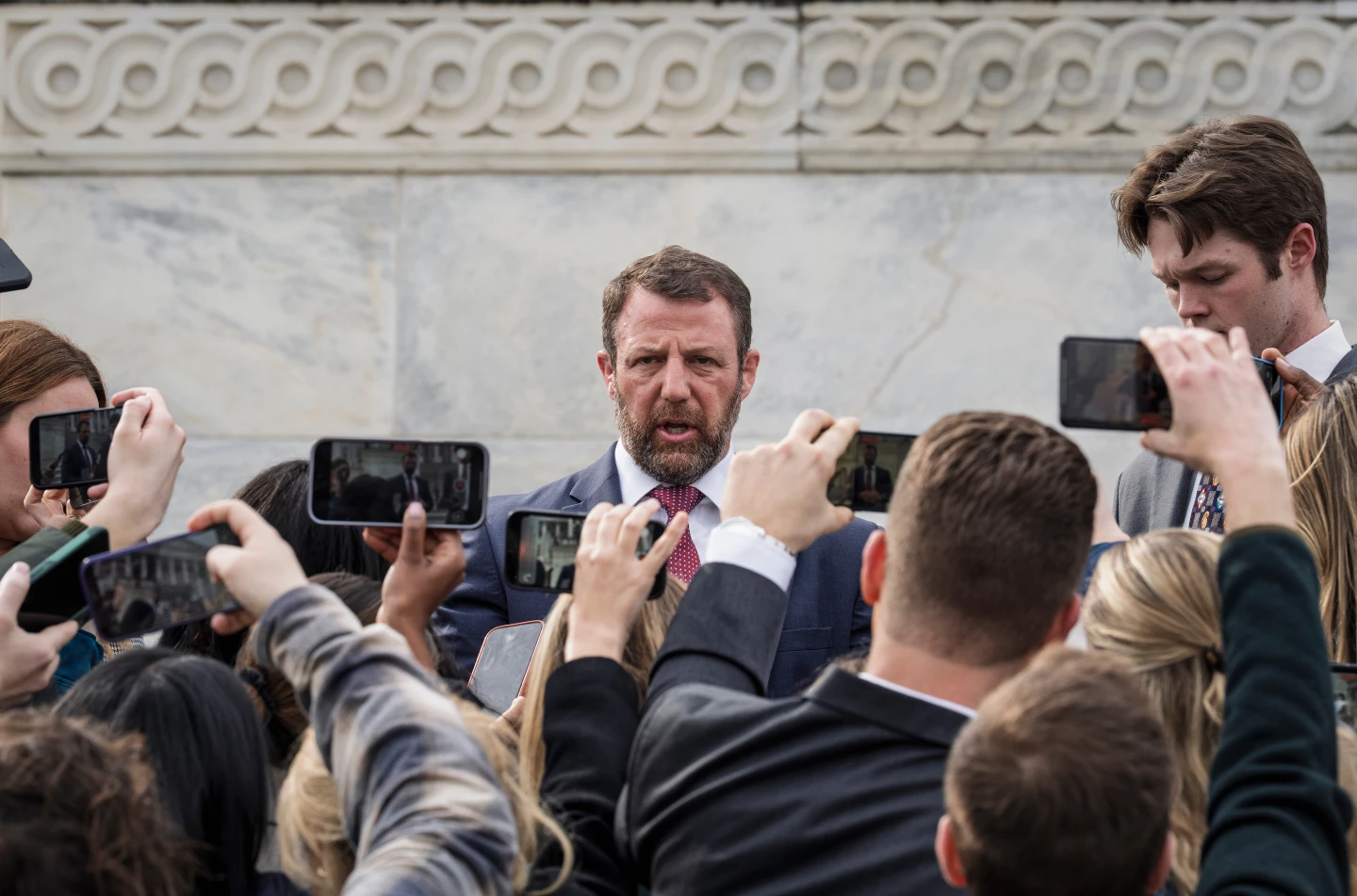
Secretary of Homeland Security, Kristi Noem, characterized the Minneapolis shooting as an act of self-defense, while Vice President JD Vance called Good a “victim of left-wing ideology.” Yet, Minneapolis Mayor Jacob Frey and protesters contest this narrative, insisting that video evidence will contradict claims of self-defense.
This turns both incidents into a significant flashpoint in American immigration policy and enforcement, with questions about accountability and racial justice coming to the forefront once again. The shooting of Good marks at least the fifth death linked to ICE crackdown measures since 2016, leading to widespread demonstrations across major cities in the U.S.
State and local officials are demanding participation in the investigation, as Minnesota law traditionally requires local agencies to oversee officer-involved shootings, but federal agencies have indicated a reluctance to cooperate. This lack of transparency is fueling concerns about potential cover-ups and uneven justice for affected families in the community.
As protests continue, community members express their determination to hold federal authorities accountable, demonstrating a deep-rooted discontent with immigration enforcement practices and the urgency for reform.
In the wake of Good's shooting, protesters gathered in freezing rain, chanting slogans such as “ICE out now” and denouncing the federal agency's presence in the community. Their march coincided with an additional shooting in Oregon involving federal officers that left two injured, prompting further scrutiny of ICE operations nationwide.
Authorities report that the Portland incident occurred as officers responded to a perceived threat from a vehicle linked to a suspect with alleged gang affiliations. However, the specifics surrounding both shootings remain under investigation, raising questions about the justification of force used by federal agents.
Secretary of Homeland Security, Kristi Noem, characterized the Minneapolis shooting as an act of self-defense, while Vice President JD Vance called Good a “victim of left-wing ideology.” Yet, Minneapolis Mayor Jacob Frey and protesters contest this narrative, insisting that video evidence will contradict claims of self-defense.
This turns both incidents into a significant flashpoint in American immigration policy and enforcement, with questions about accountability and racial justice coming to the forefront once again. The shooting of Good marks at least the fifth death linked to ICE crackdown measures since 2016, leading to widespread demonstrations across major cities in the U.S.
State and local officials are demanding participation in the investigation, as Minnesota law traditionally requires local agencies to oversee officer-involved shootings, but federal agencies have indicated a reluctance to cooperate. This lack of transparency is fueling concerns about potential cover-ups and uneven justice for affected families in the community.
As protests continue, community members express their determination to hold federal authorities accountable, demonstrating a deep-rooted discontent with immigration enforcement practices and the urgency for reform.