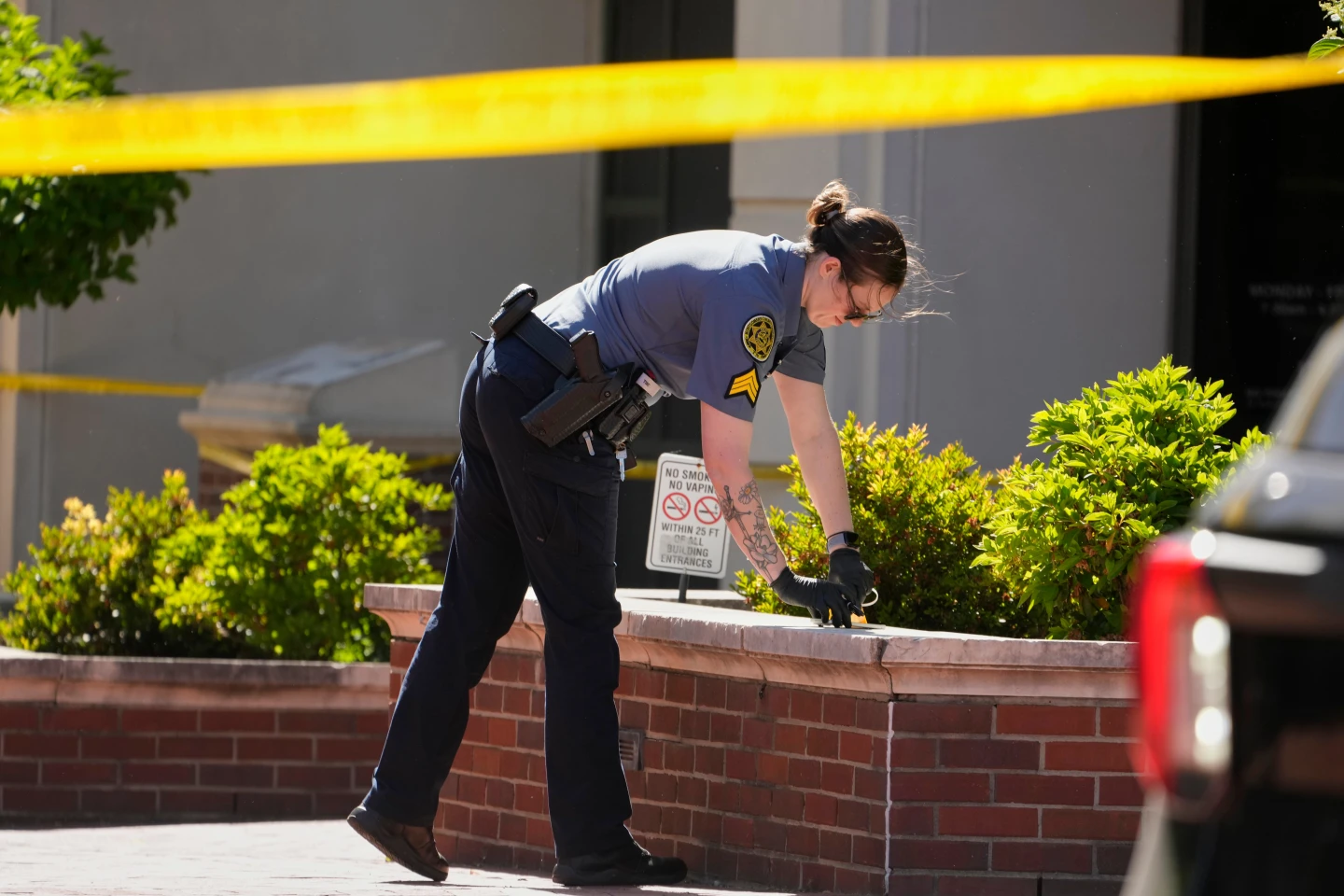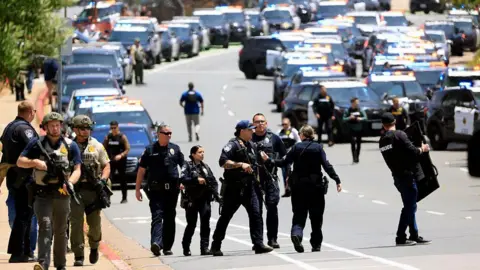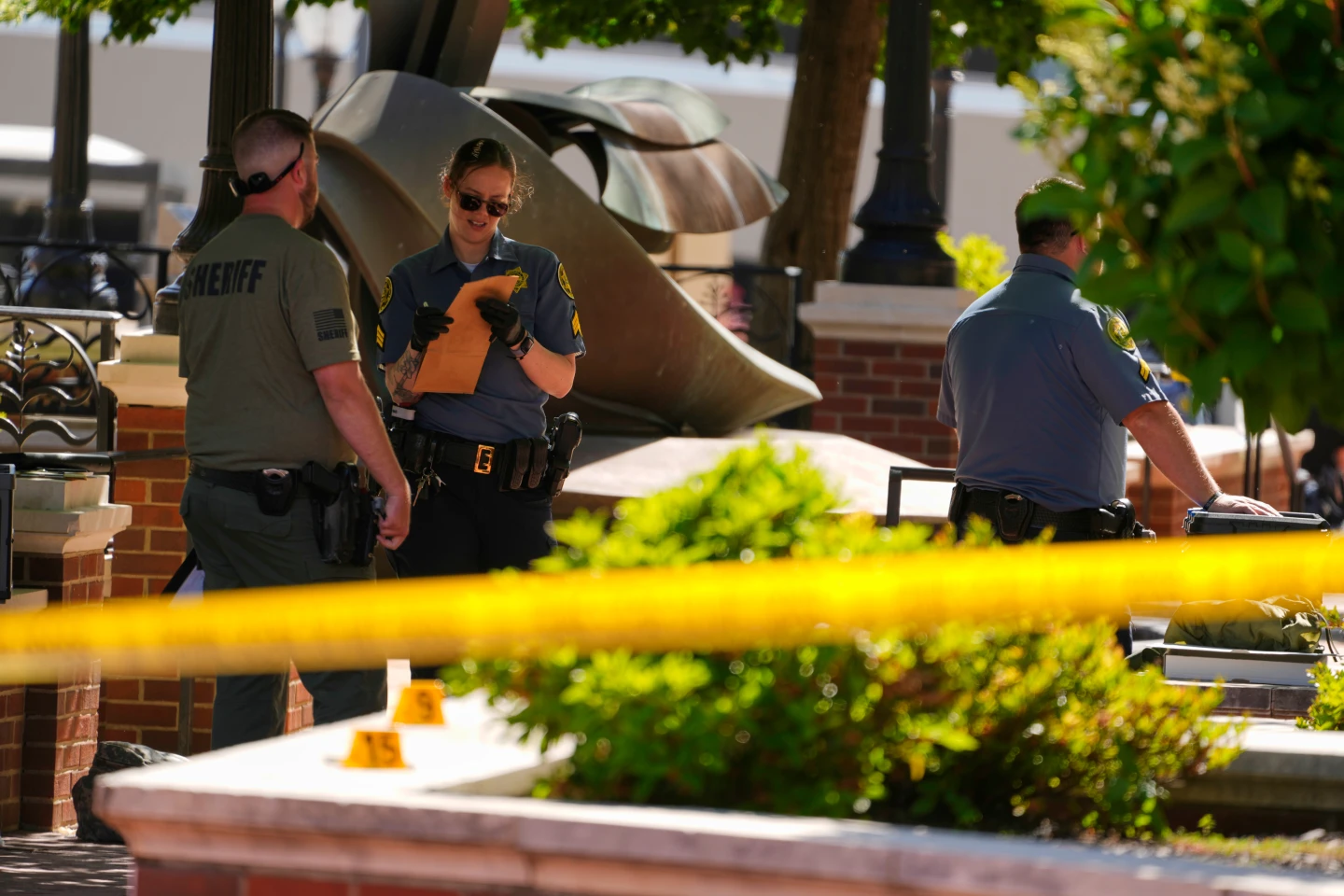
MINNEAPOLIS (AP) — A federal immigration operation in Minneapolis turned deadly this week when a U.S. Immigration and Customs Enforcement officer shot and killed 37-year-old Renee Nicole Good during a confrontation involving her vehicle.
Cellphone video captured the shooting, which federal officials claimed was an act of self-defense but that the city’s mayor described as “reckless” and unnecessary. The video shows the ICE officer approaching Good’s SUV, which then begins to move forward, prompting another officer to draw his weapon and fire at close range.
Understanding Use of Deadly Force
There's no universal training standard for law enforcement, but policies generally dictate shooting at a moving vehicle is only permissible if the driver poses an imminent threat. Firing at vehicles can risk causing harm to bystanders through stray gunfire or loss of control of the vehicle.
Expectations for Officers
According to Justice Department policy, officers are expected to avoid using deadly force when possible, including stepping out of the vehicle’s path if safe to do so.
Legal Justifications for Shooting
Officers are generally prohibited from using deadly force merely to stop or arrest someone unless there's an immediate threat posed by the individual involved. Although ICE and federal agents operate under similar restrictions as local law enforcement, they do have additional legal protections when on duty.
Ongoing Investigations
Federal agencies typically conduct internal reviews of such incidents, while state and local authorities may pursue criminal investigations. The FBI is currently leading the investigation into the Minneapolis shooting.