In brief
In the wake of a tragic shooting on December 13, 2025, at Brown University, students utilized the anonymous app Sidechat to share critical information, document their experiences, and provide mutual support during the crisis. In the absence of timely official alerts, this digital platform became a crucial resource for the campus community, reflecting both the urgency of the situation and the emotional turmoil experienced by those involved.
PROVIDENCE, R.I. — When gunfire erupted on the campus of Brown University, students swiftly turned to Sidechat, an anonymous messaging app popular among college students, to share crucial information as the situation unfolded. Their posts captured raw emotions and urgent questions while forming a digital chronicle of the chaos.
During the early hours of the attack, as students hid in classrooms and dorms, they used Sidechat to send and receive updates, often before the university's official alerts went out. A study of nearly 8,000 posts documented how social media has transformed communication during campus emergencies, allowing students to navigate their fears collectively.
Flow of Information and Community Support
Initially filled with mundane complaints and jokes about campus life, Sidechat rapidly shifted tone on December 13, with students urgently querying each other about the status of the shooter as they sought safety. Some posts conveyed panic; others offered reassurance, underscoring the importance of immediate communication amid confusion.
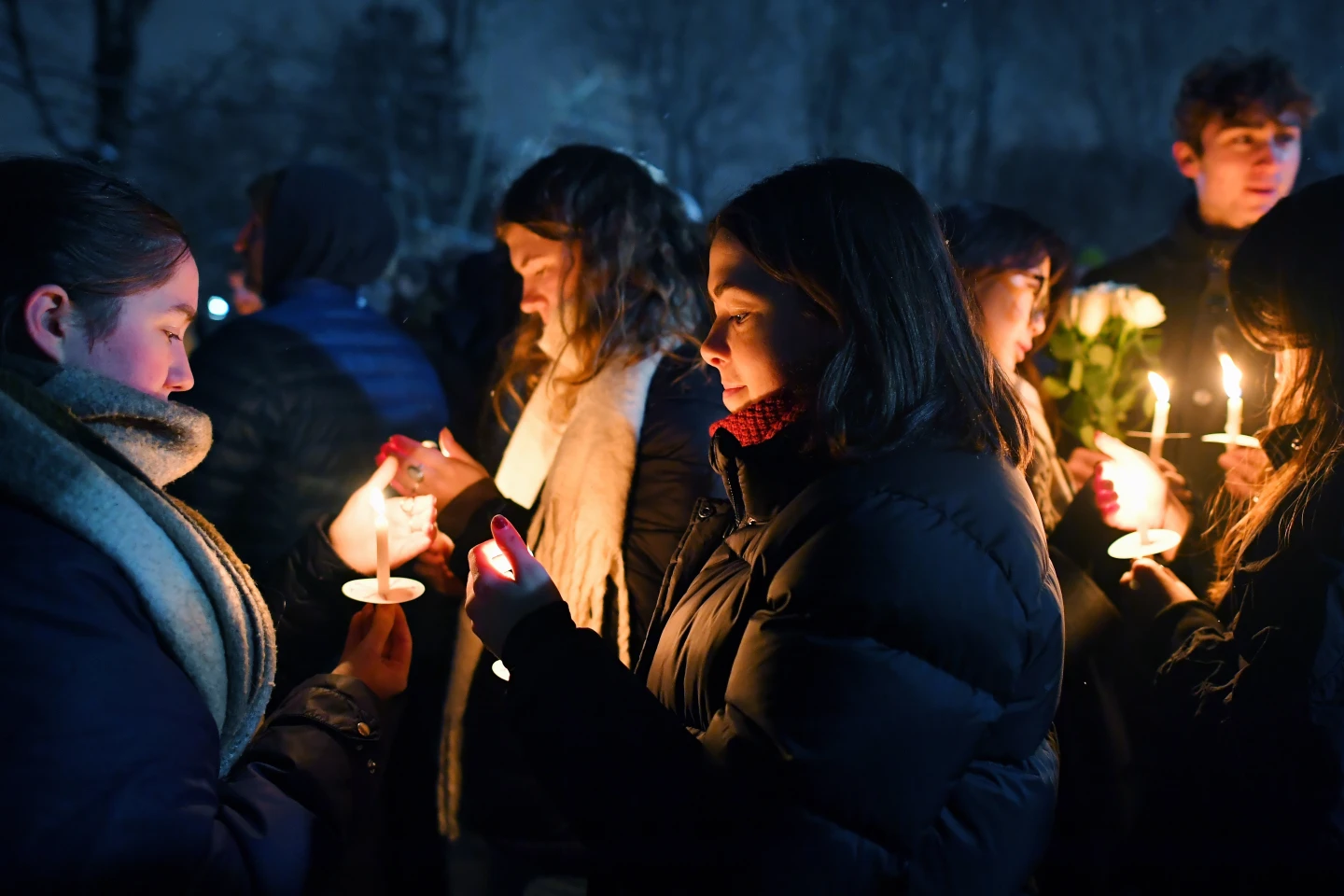
One student noted, Will never see the first snow of the season and not think about those two, referring to the two who lost their lives in this tragedy.
Impacts of Misinformation
While the app served as a vital resource, misinformation quickly circulated, causing additional distress. Students urged each other to verify claims before reposting, highlighting the challenges of navigating information during a crisis. “If you’re talking about the active situation, please add a source!” one student implored.
A Changed Campus
As day broke after the attack, students found themselves in a transformed environment. The usual vibrancy of campus life felt deeply altered; many expressed that Brown no longer felt the same. Flowers and memorials emerged at significant sites as the community began to process their collective grief and trauma.
As the community grapples with the aftermath, Sidechat has demonstrated its potential as not only a communication tool but also a critical platform for emotional expression and solidarity during a time of unimaginable crisis.