Incident Overview
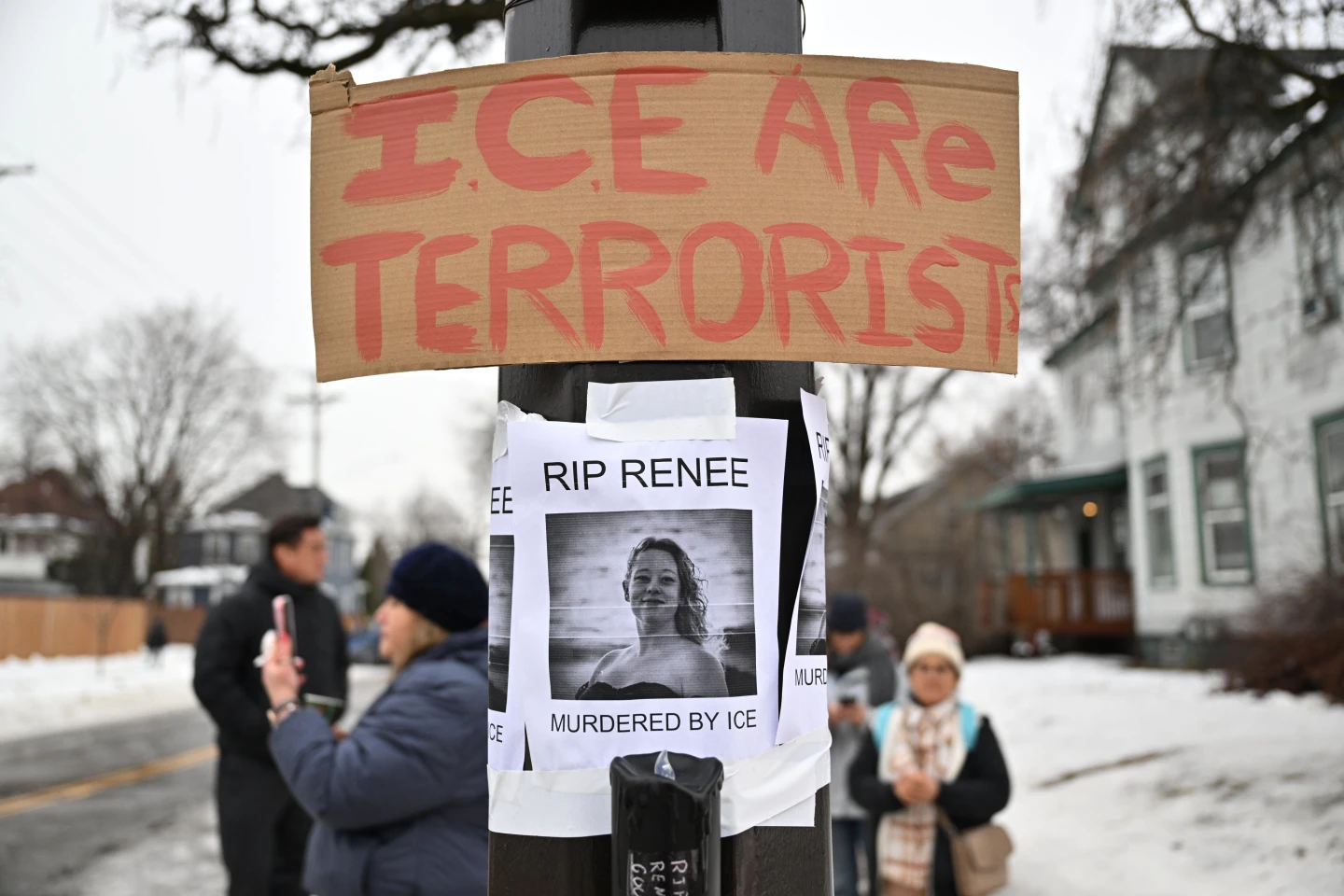
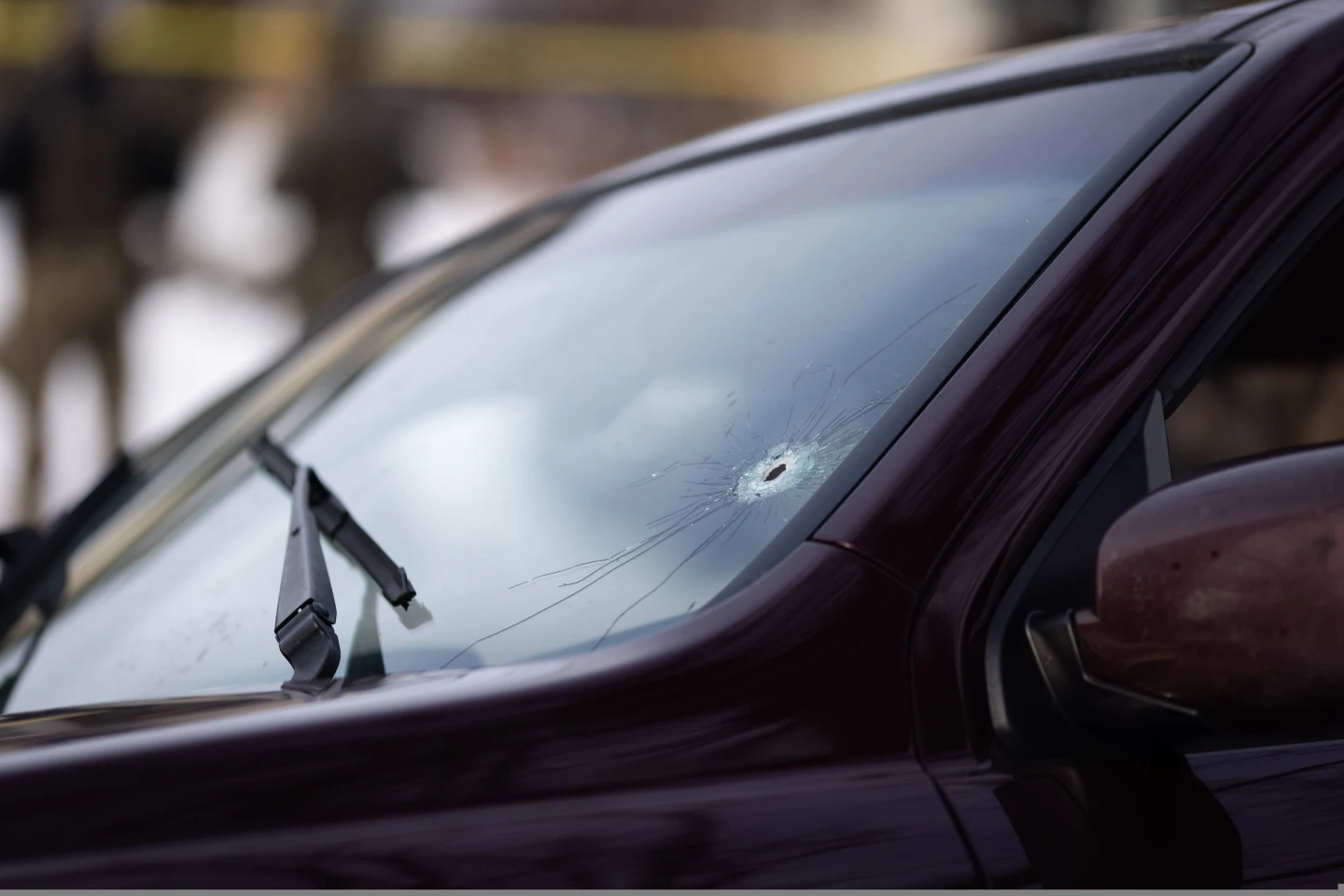
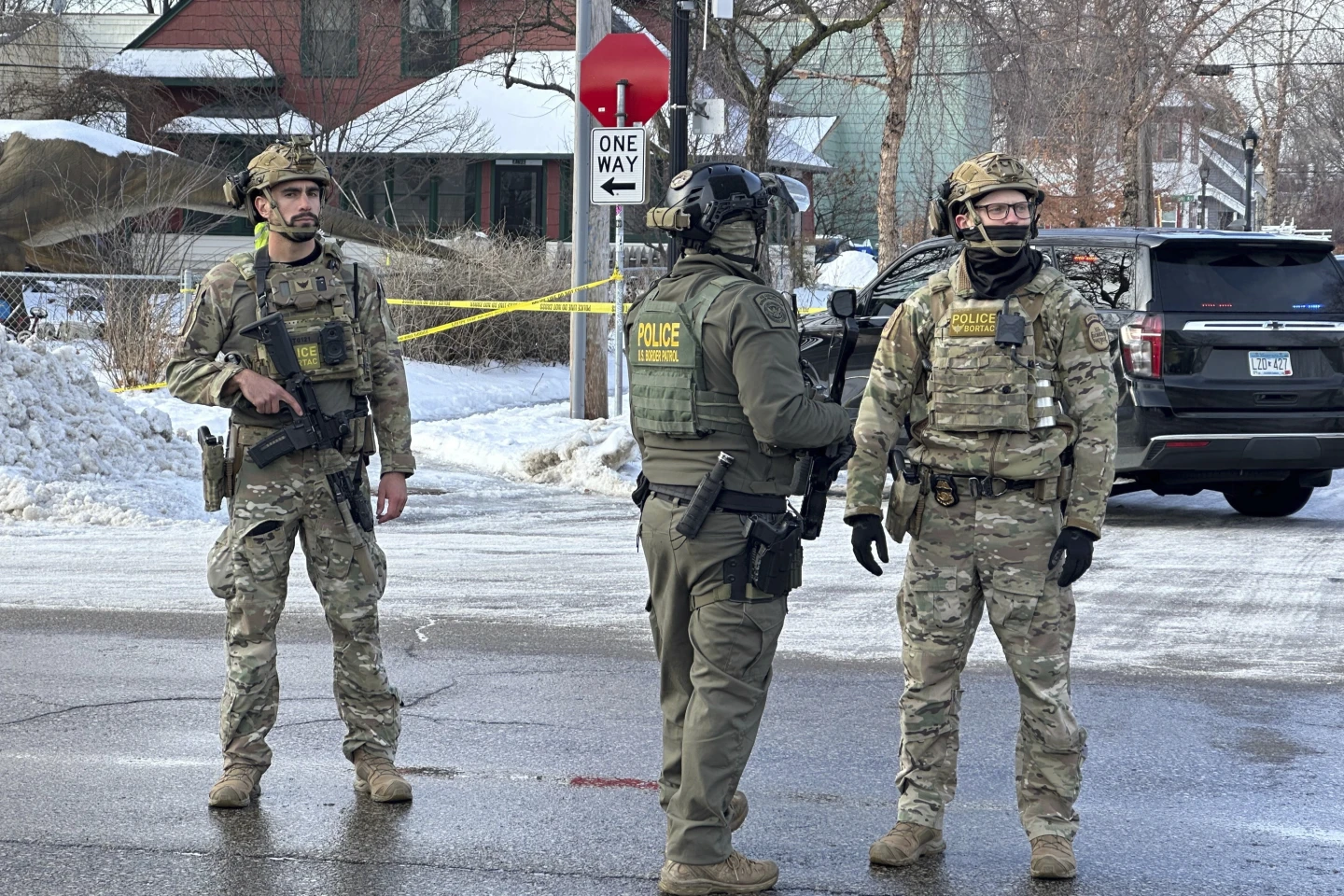
In a troubling incident on a snowy street in Minneapolis, a federal officer shot and killed Renee Good, a 37-year-old mother of three. The officer claimed his actions were in self-defense, stating that Good was attempting to engage in what he described as 'an act of domestic terrorism' by driving toward him. Witnesses, however, provide a more complex narrative, raising concerns about law enforcement tactics.
Video Evidence Raises Questions
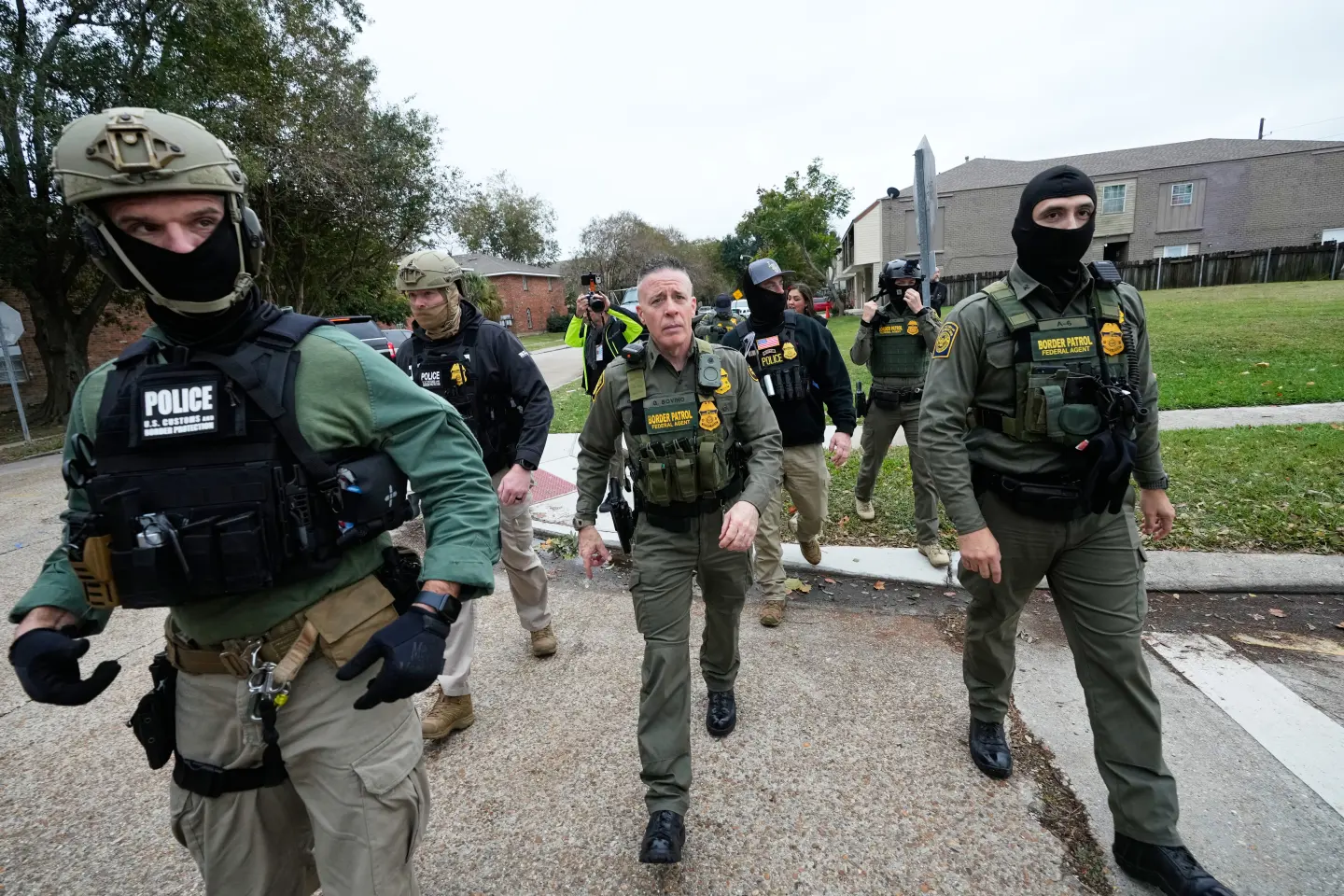
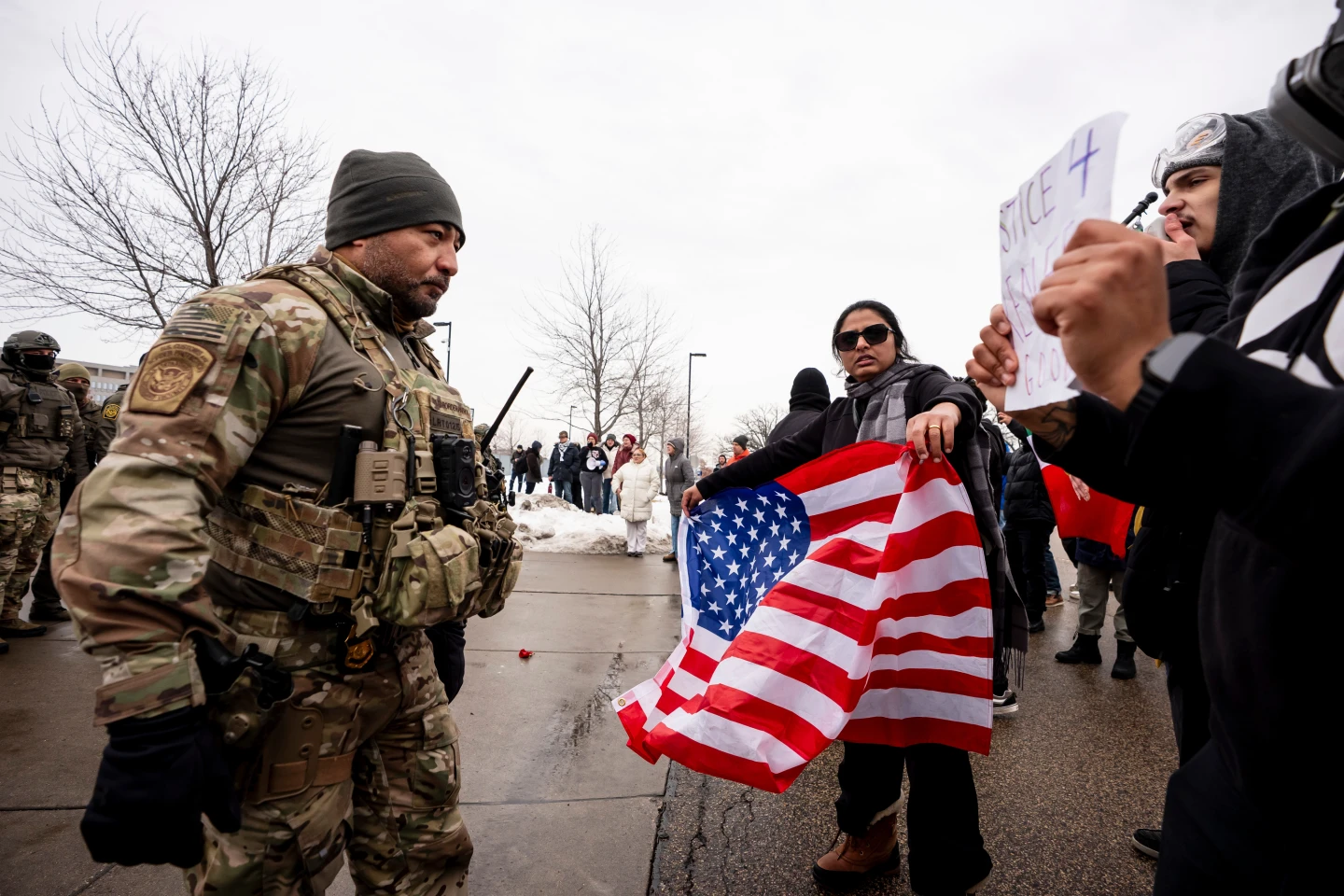
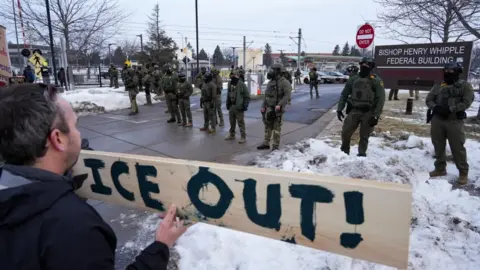
Videos captured by bystanders show the Honda SUV in a position that wasn't entirely obstructing traffic, with Good gesturing for cars to go around her. The moments leading up to the shooting reveal a chaotic scene with bystanders heckling the officers, who were dressed in masks and black clothing. As the driver was approached by officers, tensions escalated rapidly.
Expert Opinions on Law Enforcement Decisions
Policing experts criticize the officer's decision to place himself in front of a moving vehicle, suggesting that this contradicts established safety protocols. This has led to questions about the reasonableness of the officer's perception of threat and whether alternatives could have been pursued, such as allowing Good to drive away and apprehending her later. Former police chief Darrel W. Stephens and other law enforcement authorities emphasize that such actions have traditionally been discouraged to prevent dangerous scenarios.
Community Reactions
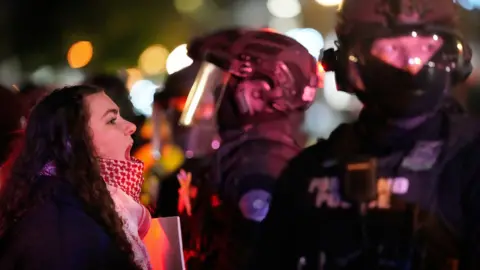
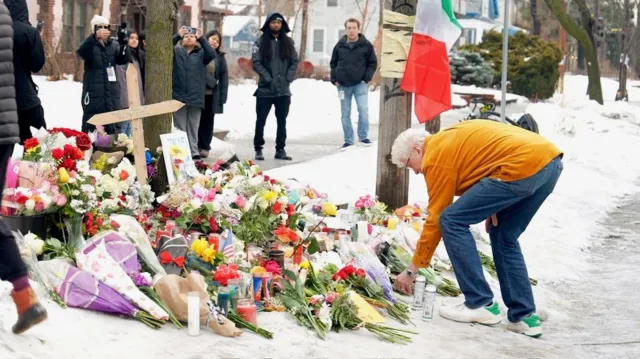
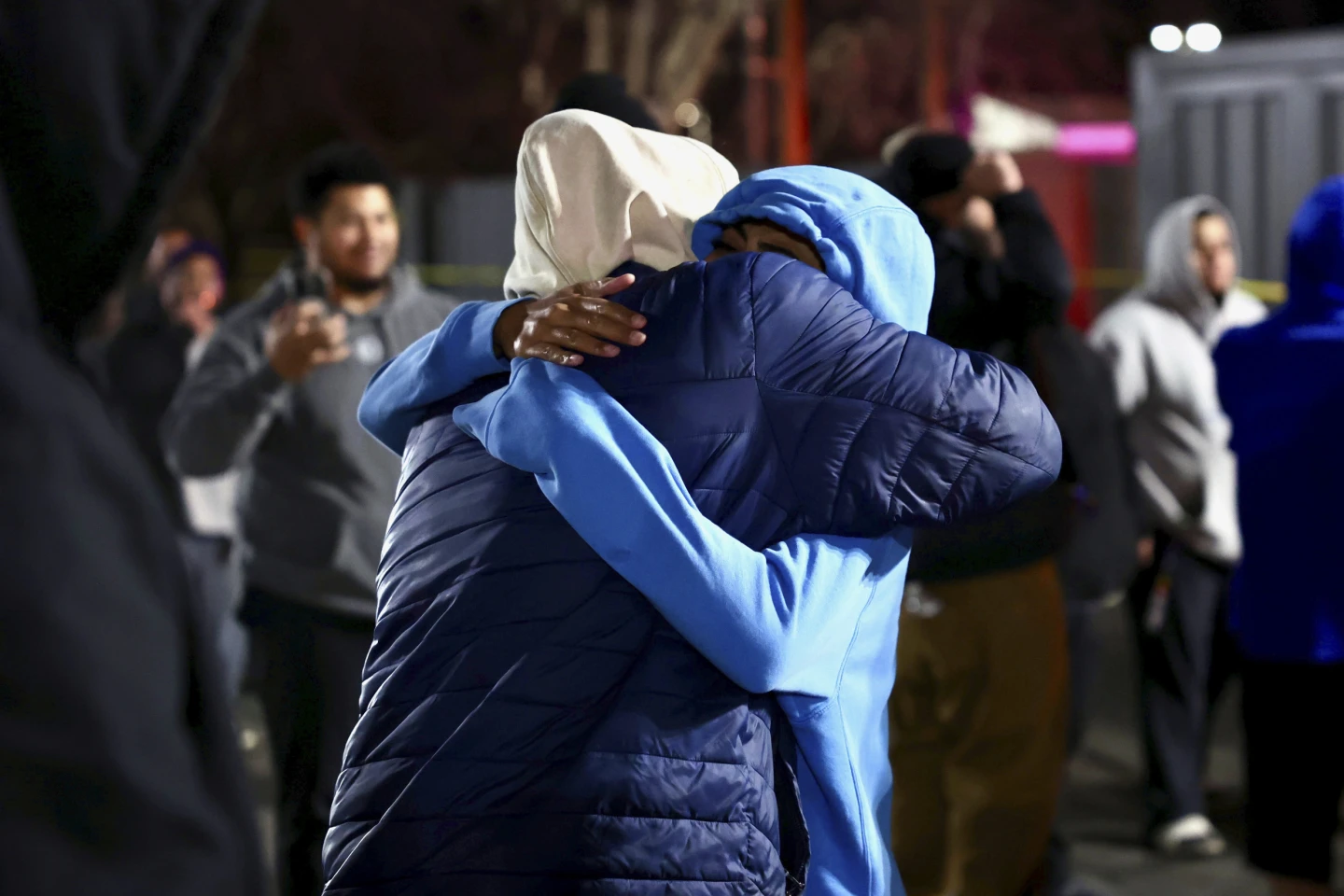
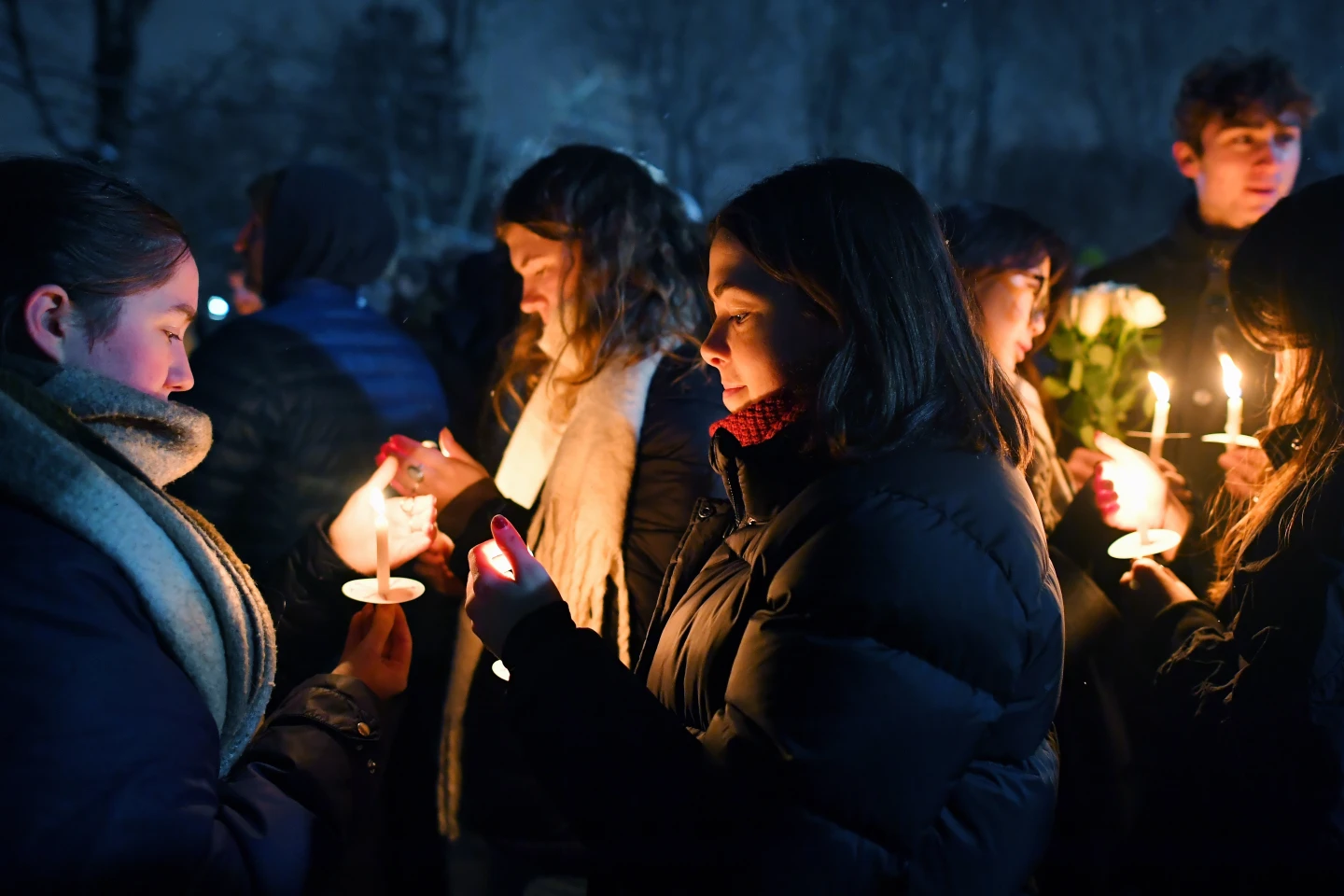
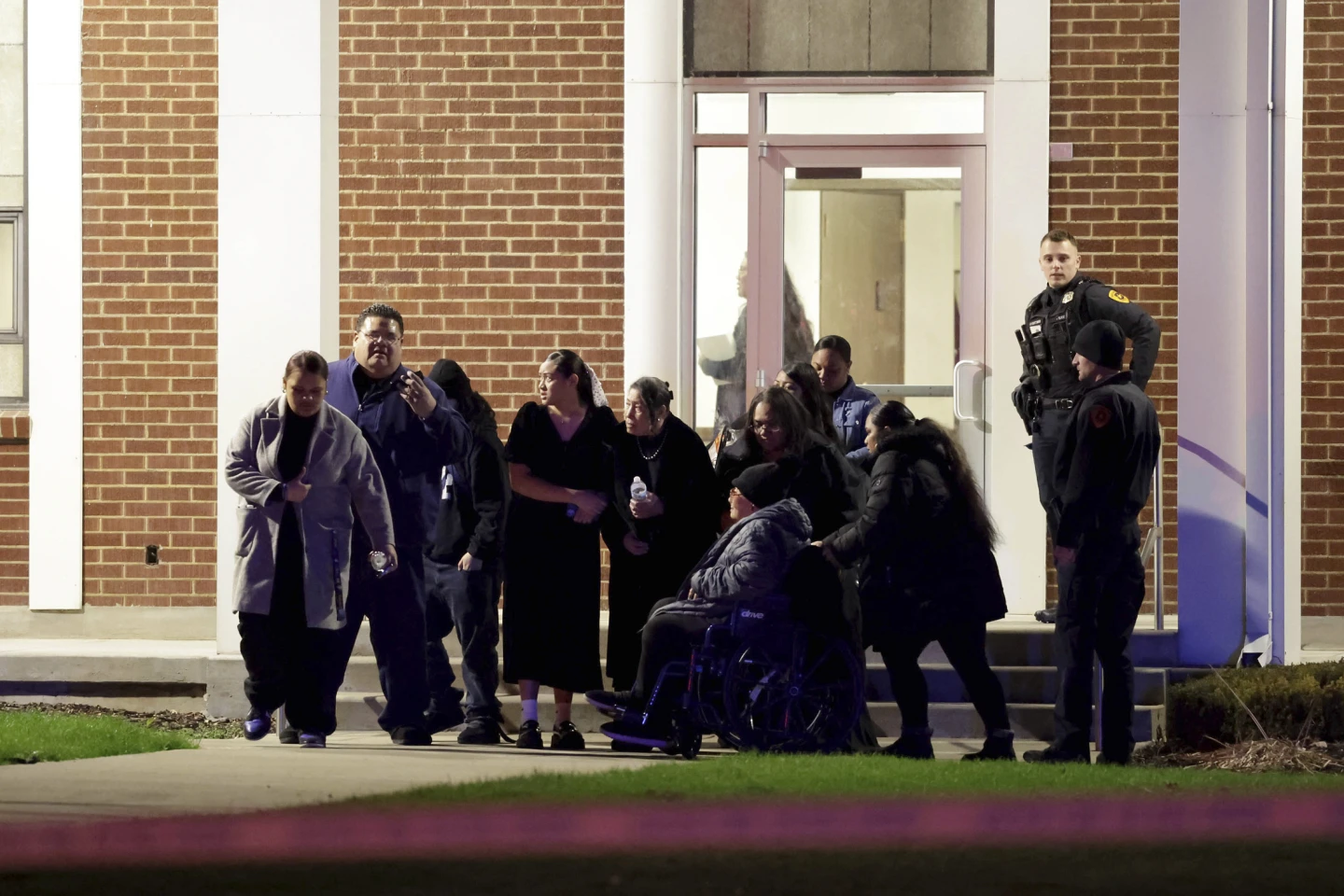
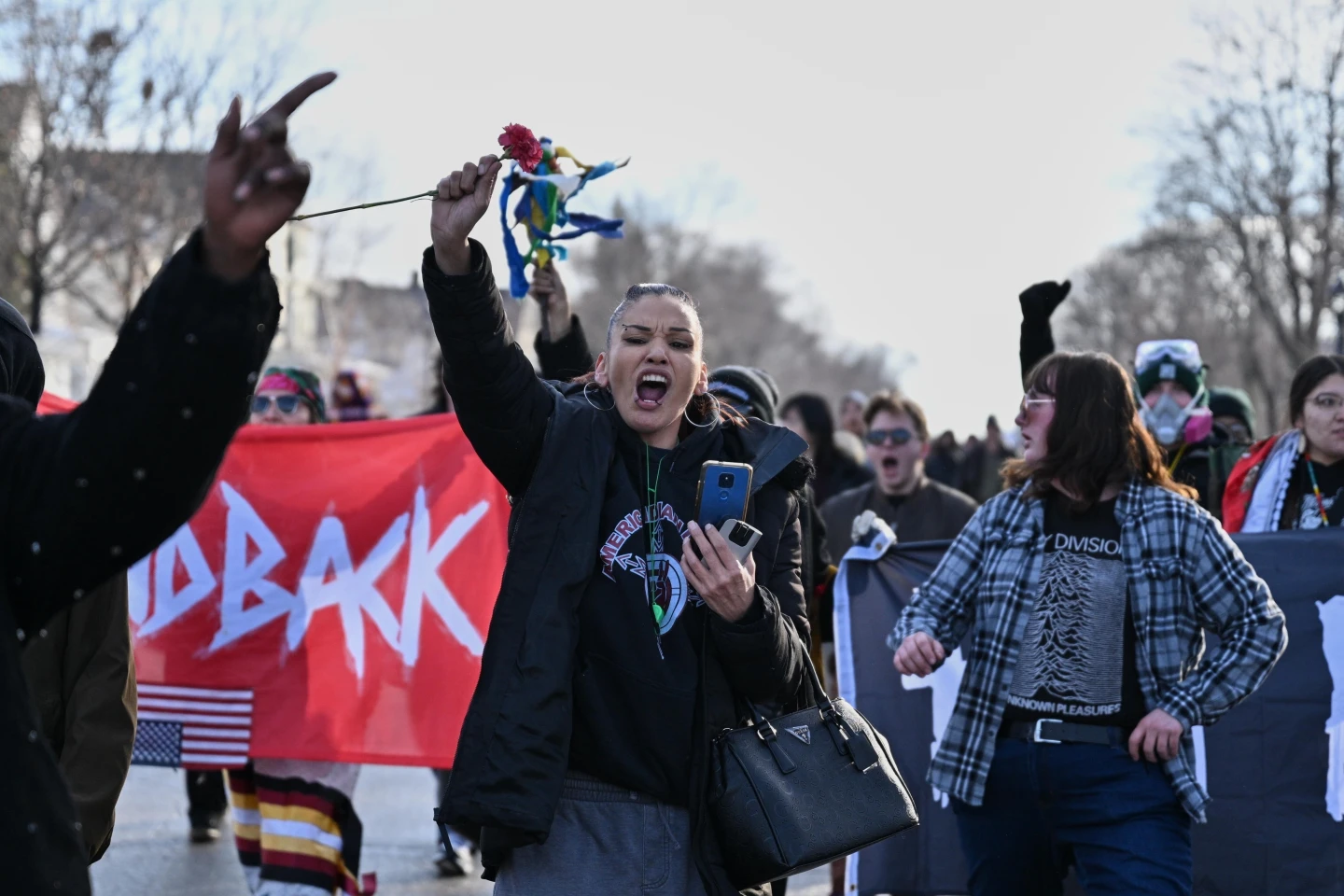
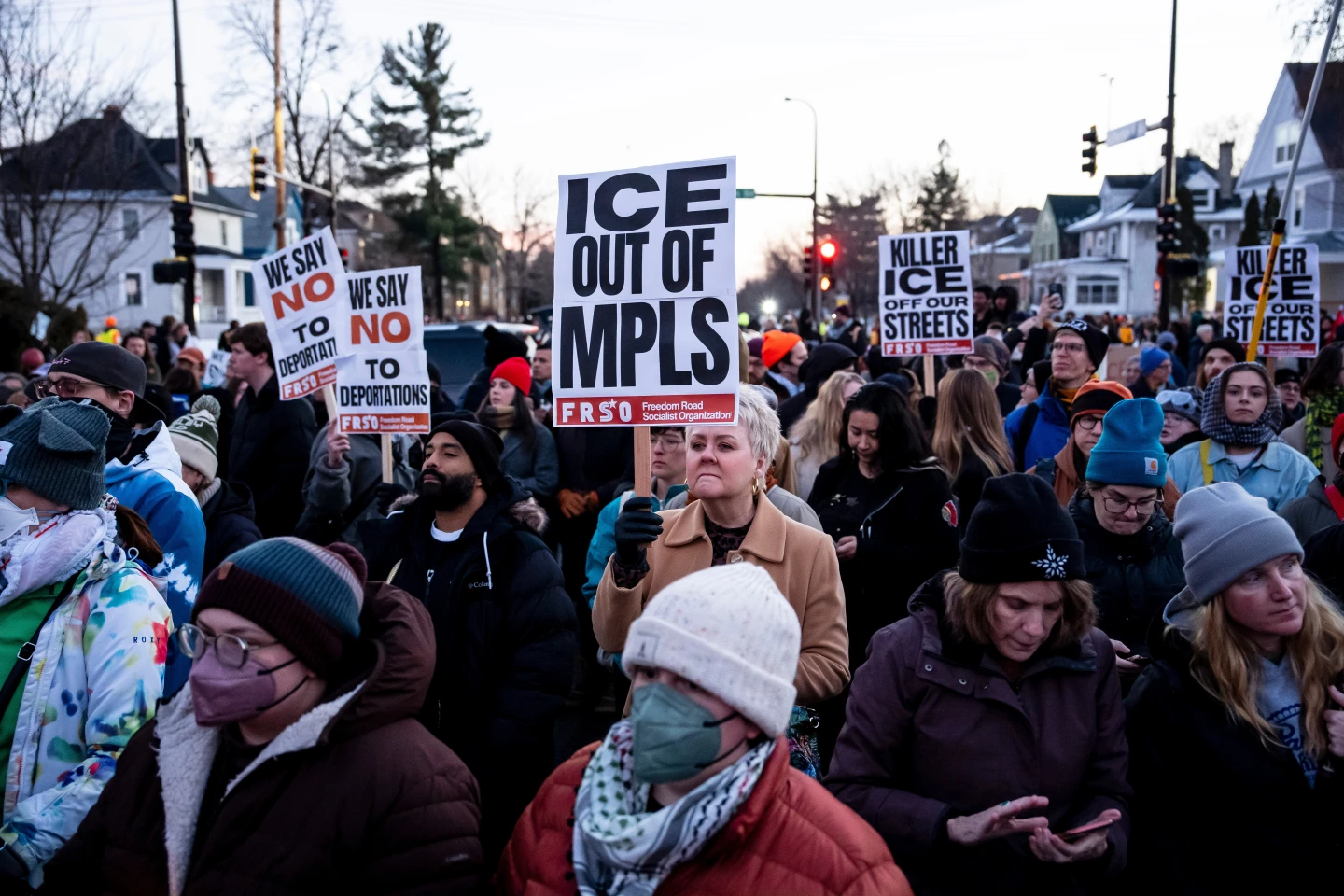
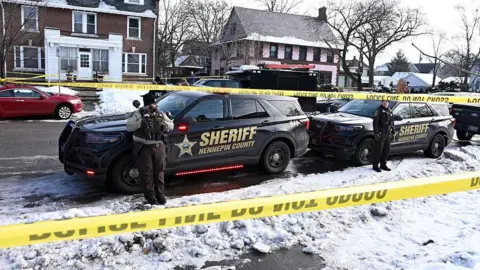
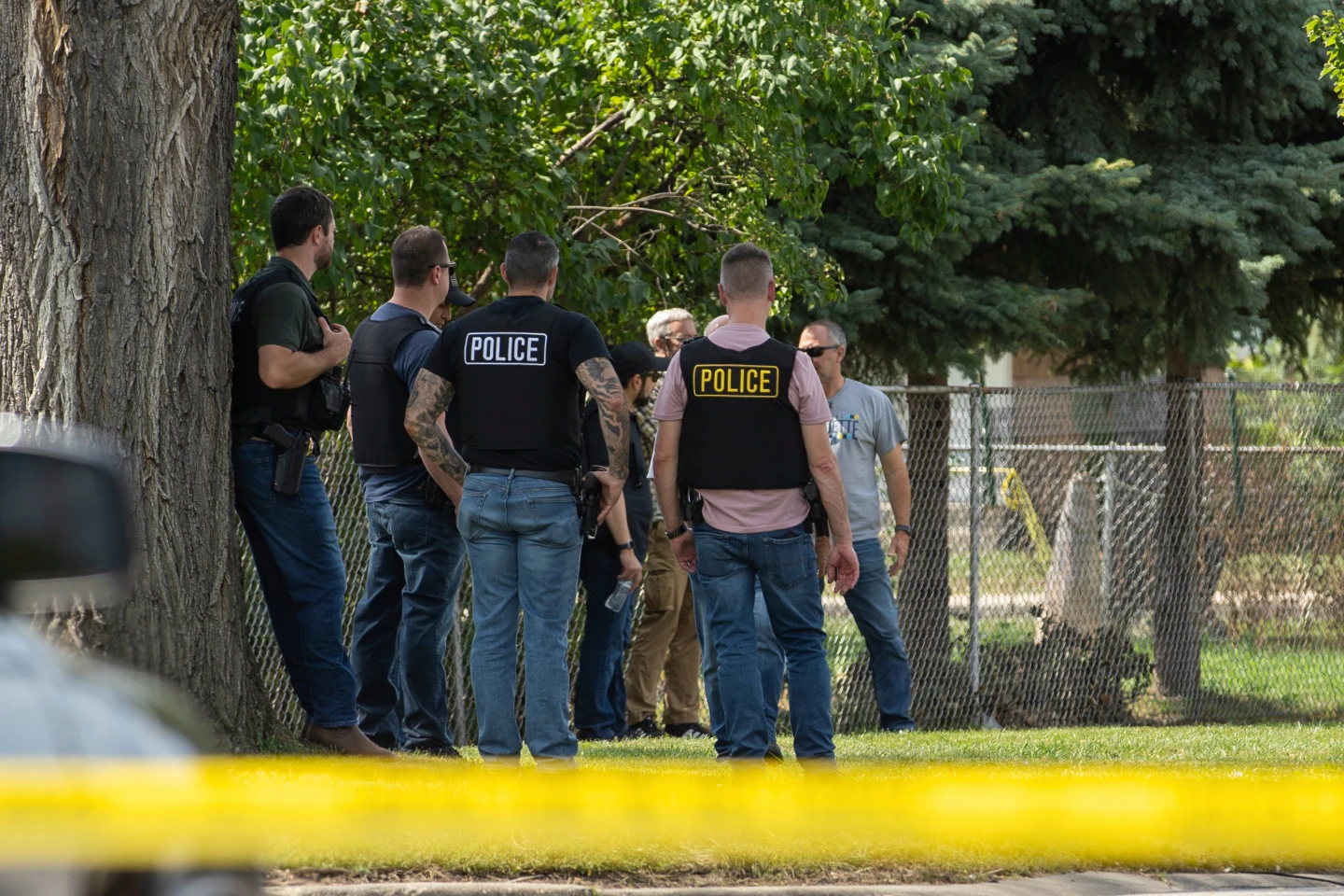
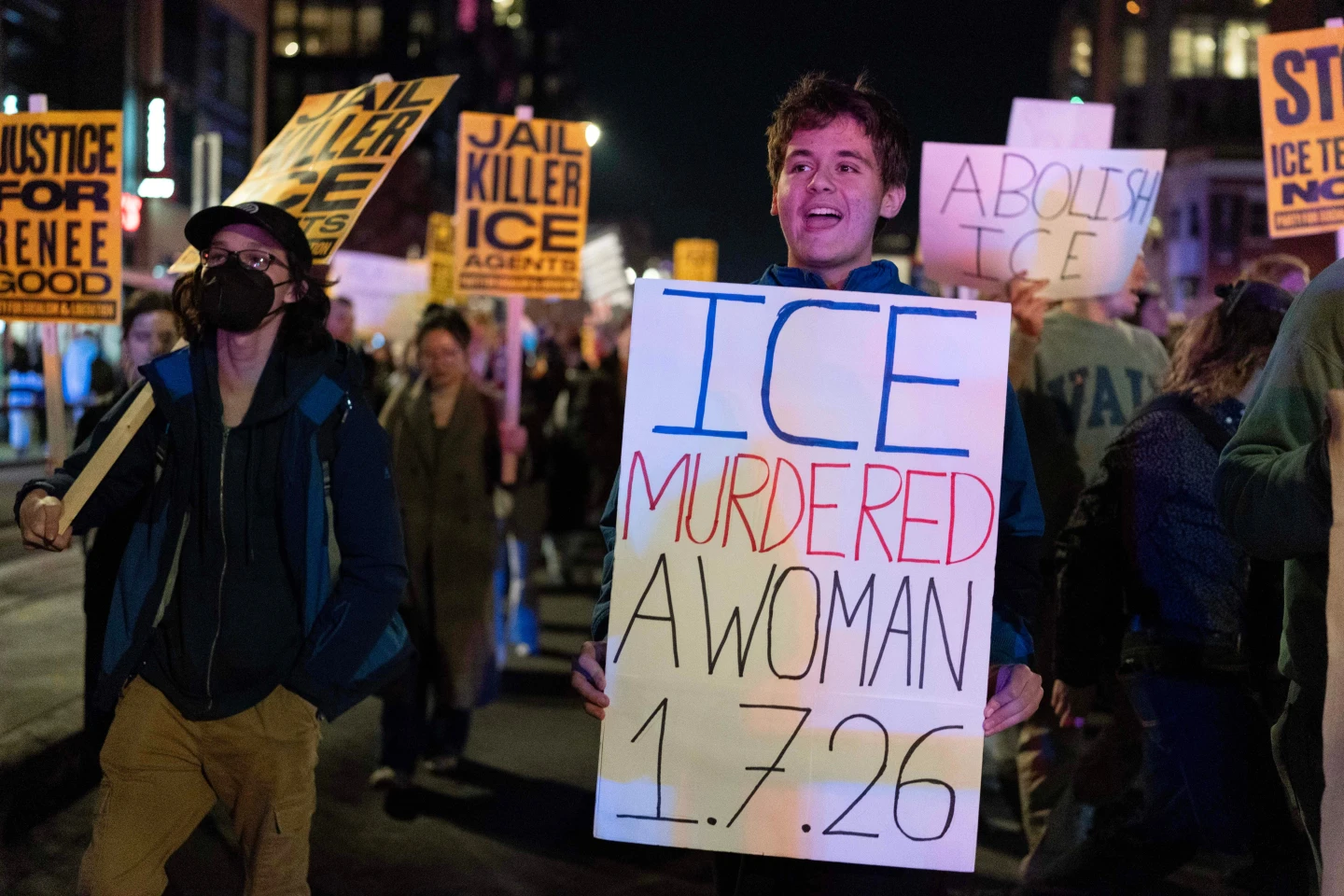
The incident has triggered an outpouring of community outrage, with emotional responses captured on video as witnesses called for accountability. As forensic teams processed the scene, calls for justice and reform in policing practices intensified. The conversation around this incident has reignited broader discussions about law enforcement's approach to perceived threats and the ramifications of excessive force.
Investigation Ahead
As investigations continue, the central question remains whether the officer's belief that he was in imminent danger justified his drastic response. Legal experts assert that a thorough inquiry into the decision-making process of the officers involved is crucial for accountability and to prevent future tragedies.