In brief
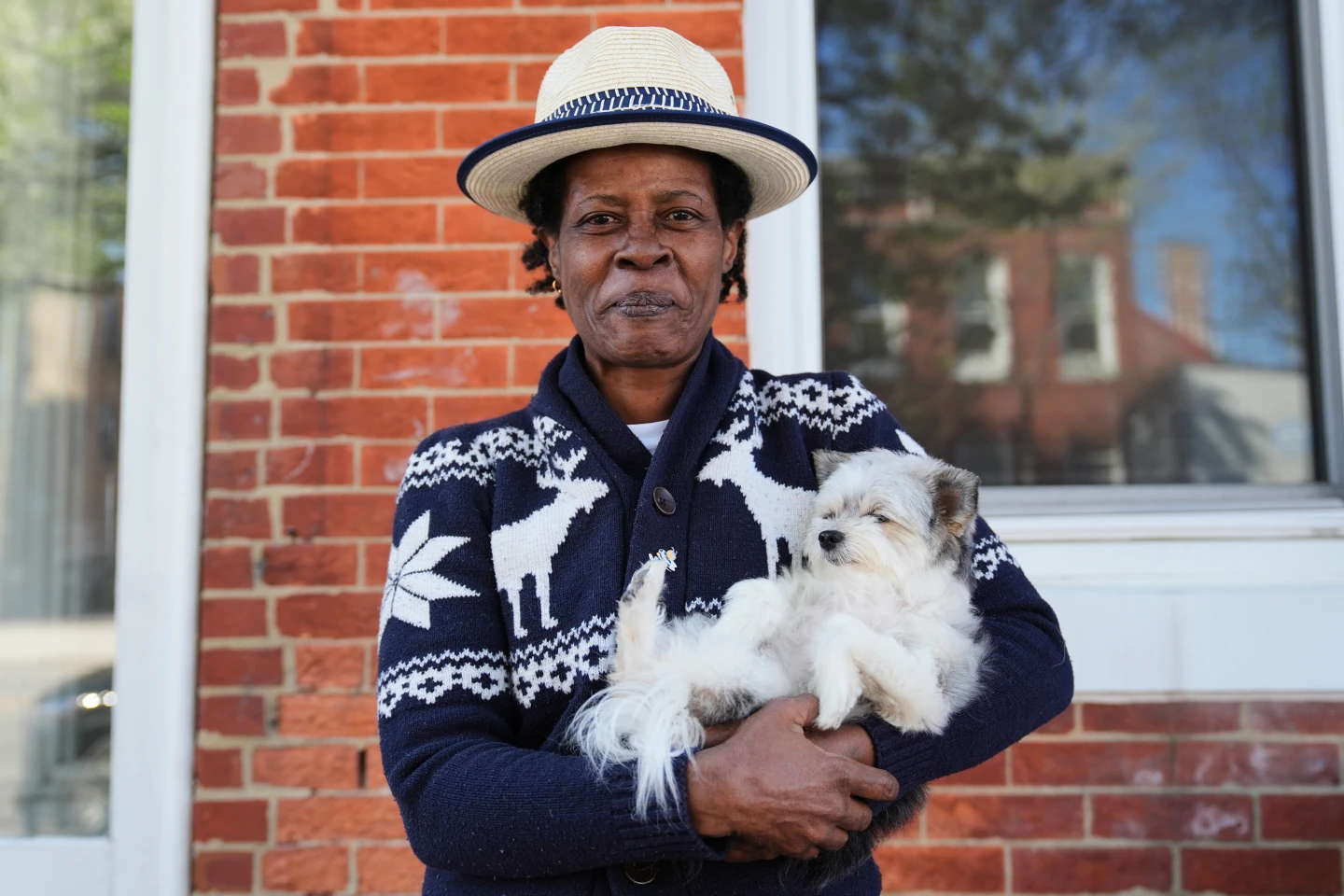
Jevona Anderson's journey illustrates the ups and downs faced by stopout students in the U.S., with many leaving college without a degree due to various life challenges. As more initiatives emerge to help these individuals reenroll in educational institutions, the number of stopouts returning to complete their studies is on the rise, with Anderson finding support through scholarships to finish her degree at the University of Baltimore.
WASHINGTON (AP) — After experiencing familial tragedies and an eviction, Jevona Anderson's life took a downturn. By 2025, nearing her bachelor’s degree, her situation worsened with failing grades and mounting bills, leading her to drop out of college. She is part of an expanding group of approximately 38 million working-age adults in the U.S. who are termed 'stopouts,' having left college without earning a degree, often while still shouldering student debt.
Despite the initial intention of returning, few manage to do so. However, reports indicate that colleges and local governments have begun improving support systems for stopouts, resulting in an increase of over 1 million reenrollments in the 2023-2024 school year, marking a 7% rise from previous years.
In Anderson’s case, a scholarship became instrumental in her decision to reenroll at the University of Baltimore, where she hopes to become a teacher. The financial support allowed her to resume her studies just as she found herself prepared to return.
Jevona, who initially enrolled to pursue environmental sustainability, was inspired by her experiences in substitute teaching. She recognized the pressing need for educators who could share environmental awareness, especially in underprivileged urban communities. Unfortunately, personal circumstances prevented her from focusing fully on her education, leading to her temporary halt in studies.
As more states and institutions adopt proactive strategies to assist stopouts, the dynamics of higher education are gradually evolving. Maryland, for example, successfully reenrolled over 25,000 students in the recent academic year, although this is still a fraction of the larger population of adults who have dropped out.
In efforts to streamline processes, colleges have begun employing coaching and data tools to better support students in maneuvering their path towards graduation. Success anecdotes, like that of Melody Blair, another stopout, underscore the life-making differences these scholarships can make.
While Anderson’s journey back to academia is met with financial hurdles — such as the cost of graduation attire — her resolve remains unshaken. With optimistic determination, she is set to complete her bachelor's degree and make a significant impact in the lives of children.