In brief
Following Cyclone Chido's devastating impact on Mayotte, French Prime Minister François Bayrou stated that the death toll is significantly lower than initially feared, with current estimates at 35. The difficulty in assessing casualties has been attributed to the territory's infrastructure challenges and cultural practices surrounding burials.
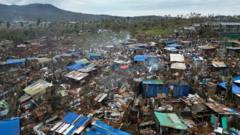
Article Text:French Prime Minister François Bayrou has provided a more optimistic outlook on the casualties resulting from Cyclone Chido, which devastated the French Indian Ocean territory of Mayotte on December 14. While initial reports hinted at a potential death toll in the thousands, Bayrou stated that the current estimates suggest the number of fatalities is likely in the dozens. In an interview with BFMTV, he expressed skepticism about the "alarmist" figures previously circulated, emphasizing that they would not align with reality.The official death count currently stands at 35, though local prefect François-Xavier Bieuville initially predicted figures could number several hundred to thousands. Bieuville has since reassured that ongoing investigations support the confirmed number of 35 victims. He defended his earlier statements, stating that he was not trying to create panic but was simply reporting the uncertainty in victim counts shortly after the disaster.The assessment of casualties has been complicated by access issues to remote areas, alongside rapid burial customs observed by the island's Muslim population, which requires victims to be interred within 24 hours. The overall population of Mayotte is uncertain, estimated to range from 320,000 officially, with an additional 100,000 to 200,000 undocumented migrants potentially residing there.Cyclone Chido unleashed enormous destruction, with catastrophic winds of up to 260 km/h (160 mph), leading to widespread devastation in the numerous shanty towns, the majority of which were made from metal and vulnerable to such storms. In response to the calamity, France observed a national day of mourning, and President Emmanuel Macron visited the impacted regions to assess the situation, facing criticism from residents demanding more rapid aid.Amid the disaster's aftermath, many survivors faced a week-long struggle without essential services such as water, electricity, or communication. However, updates indicate a restoration of water supplies to key areas, and Bieuville reported no ongoing fuel shortages. Furthermore, a field hospital was projected to become operational, signifying progress in the relief efforts.After ravaging Mayotte, Cyclone Chido continued its destructive path to mainland Africa, claiming additional lives in Mozambique and Malawi.