In brief
Peter Magyar, a former Fidesz insider, is posing a significant challenge to Viktor Orban's reign in Hungary. As he intensifies his campaign ahead of the April elections, Magyar's strategies and reformative promises resonate with many looking for change in the nation. With his history within Fidesz and his outspoken criticism since leaving the party, Magyar seems poised to shake the political status quo.
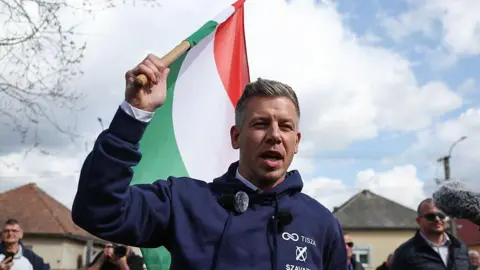
Now or never, Peter Magyar has been telling Hungarians, in a breathless campaign across the country in the lead-up to the April 12 elections that opinion polls suggest he can win. This 45-year-old former Fidesz party insider represents the biggest threat to Viktor Orban's rule in Hungary since he won the first of four consecutive victories in 2010. Magyar's slogan, which harkens back to a 19th Century rallying cry, has evolved from 'Now or never' into simply 'Now,' emphasizing the urgency of his message.Magyar has embarked on an ambitious campaign, planning to visit all of Hungary's 106 constituencies with multiple speeches each day, building a significant support base over two years, even in areas traditionally dominated by Fidesz. His campaign initiatives include walking 300 kilometers from Budapest to the Romanian border to rally support.Magyar aims to tackle corruption, boost the economy, and engage with Hungary's disadvantaged communities, highlighting his desire to unlock EU funds that have been tied up due to concerns over Hungary's adherence to the rule of law. However, Orban has painted him as a 'puppet' of external influences, cautioning the electorate against his ties to Ukraine and the EU.Until February 2024, Magyar was deeply entrenched within Fidesz, having married one of its prominent politicians, Judit Varga, and having played various roles, including a diplomat in Brussels. His public dissent began with a striking appearance on a video platform called Partizán, where he candidly expressed his disagreements with his party and its direction, gaining significant public attention.The political climate has been tumultuous, especially after the resignation of President Katalin Novak due to a scandal involving a pardon for a corrupt associate, which also implicated Varga. Magyar seized this moment to assert his political ambition and criticize the status quo, eventually forming his own party, Tisza.As the campaign heats up, with Magyar gaining momentum and even surpassing Fidesz in recent polls, he positions himself against Orban's longstanding reign, challenging the Prime Minister's relationships and policies. Magyar's efforts to unite voters under a narrative of reform and renewal appear to resonate across Hungarian society, potentially signaling a significant shift in the upcoming elections.