In brief
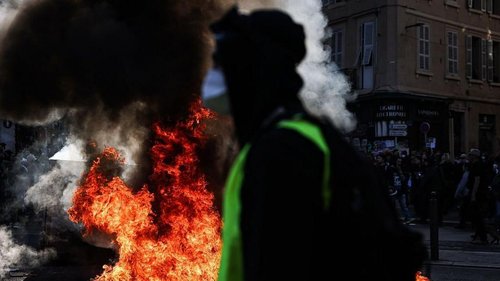
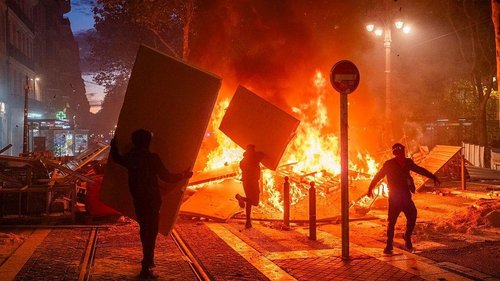
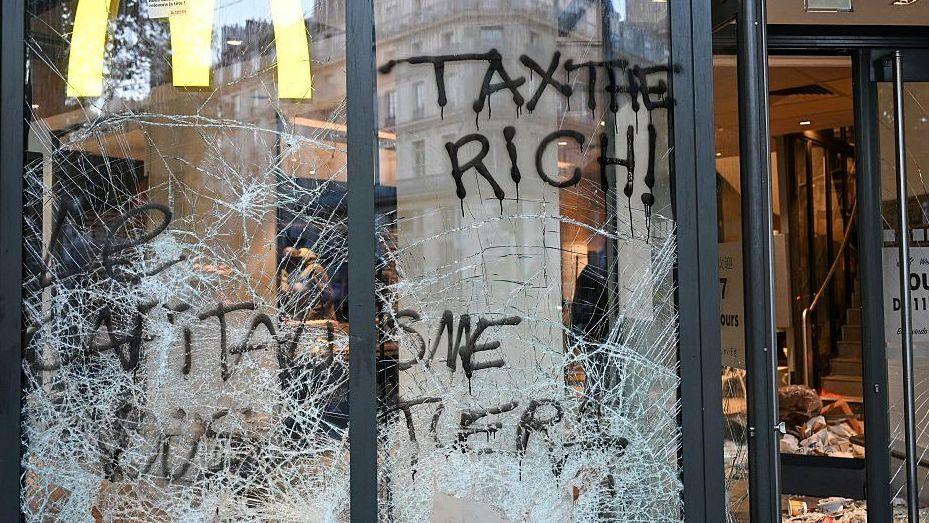
Thousands of French protesters turned to riots in Paris, Marseille and Lille in October 2026, sparking widespread looting and arson. Roughly 550,000 people marched, yet police arrested 1,800 and injured 150 officers while deploying tear gas, water cannons and batons. Burnt cars, shattered designer shop fronts, charred bikes and graffiti slogans like "tax the rich" littered city streets. In Marseille a city hall was breached, while in Lille a McDonald’s and an Apple store were torched and looted. The unrest follows months of student protests demanding investment in neglected schools, amplifying tensions over rising living costs.
On the morning of 18 October 2026, France’s capital was left in disarray after a day of demonstrations that began peacefully and spiralled into riots and looting across several cities, most notably Paris, Marseille and Lille.
Around 550,000 demonstrators took to the streets nationwide to protest rising fuel prices, the high cost of living and what they say are eroding public services, including schools. 1,800 police were arrested on Saturday, and 150 officers were injured during clashes in the capital.
The unrest quickly turned violent. Shattered shopfronts, burnt cars, charred bikes, piles of glass and vandalised graffiti reading "tax the rich" and "eat the rich" littered streets. Police deployed tear gas, water cannons and batons to quell violence; riot police were seen charging crowds and striking individuals harshly.
In Marseille, protesters broke into the city hall using a metal fence as a battering ram. In Lille a McDonald’s was set ablaze and an Apple store was looted. The interior of a popular restaurant, La Barrique, was gutted by fire, and designer boutiques such as Ralph Lauren, Gucci and Versace suffered extensive damage.
Student protests, which began in late September calling for increased investment in ill‑funded schools, have amplified tensions. The government’s response to the violence in Lyon and other cities has drawn criticism for heavy-handed tactics.
The day after the protests, residents combed the streets to clear broken glass and debris, while police and municipal workers began a slow recovery. The long‑term impact of the violence, both economic and social, remains to be seen as France grapples with deepening public discontent.
For more on this story, visit the FlashPoint news portal and follow our updates on the evolving unrest.