In brief
At just 15 years old, Michelle Lemuya Ikeny portrays a schoolgirl resisting an arranged marriage in the film "Nawi," which highlights the pressing issue of child marriage in Turkana county, Kenya. The film, based on real-life experiences, aims to spark dialogue and challenge societal norms surrounding early marriage.
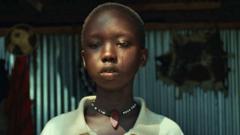
In the heart of north-western Kenya, 15-year-old actress Michelle Lemuya Ikeny uses her notable role in the film “Nawi” to address the pressing issue of child marriage, a practice deeply entrenched in her community. Despite the film's potential backlash, Michelle is determined to initiate important discussions on a topic often shrouded in silence. In “Nawi,” Michelle plays a 13-year-old girl named Nawi who is forced into an arranged marriage with an older man named Shadrack after achieving top exam results. The film portrays her desperate attempt to escape this fate by faking her virginity and running away to pursue her education. The storyline is inspired by real experiences; in Turkana county, the UN estimates that one in four girls marry before reaching adulthood.Having grown up in the same region where the film was shot, Michelle's connection to her character is personal. Many local girls are compelled to abandon their education due to dowries paid by suitors. The film's narrative resonates deeply, especially for Milcah Cherotich, who penned the screenplay and has firsthand experience with the ramifications of child marriage in her life. Her own sister’s forced marriage at age 14 serves as a poignant reminder of the challenges girls face in such socio-cultural contexts.While backlash against the film is anticipated, it has already impacted perspectives. Cherotich’s uncle, who previously supported child marriage, was visibly moved while watching the film. She recognizes the power of storytelling in fostering change, echoing Michelle's sentiments that viewing “Nawi” will resonate with audiences, prompting empathy for girls subjected to such realities.Child marriage is a significant issue not only in Kenya but across sub-Saharan Africa. Current UN initiatives seek to eradicate the practice by 2030, yet UNICEF reports that progress needs to accelerate urgently. In the meantime, “Nawi” has had a successful run in Kenyan cinemas and has been recognized internationally, even featuring at the UN headquarters.The film's directors are now dedicated to spreading its message globally, hoping that increased viewership will spark meaningful dialogues. In Turkana, efforts have also begun to complement the film's message with real-world initiatives, including the establishment of a new school for girls, which promises education and meals—a vital resource in a region challenged by drought.As Michelle reflects on her role, she emphasizes the need for viewers to empathize with girls like Nawi, underscoring the dreams and aspirations that youth should not have to sacrifice due to societal traditions. “Every girl has dreams, and taking them away is the worst feeling ever,” she shares, driven by a mission to make a difference.