In brief
In a recent interview, President Biden discussed his attempts to negotiate a cease-fire in Gaza while emphasizing the need to protect civilian lives.
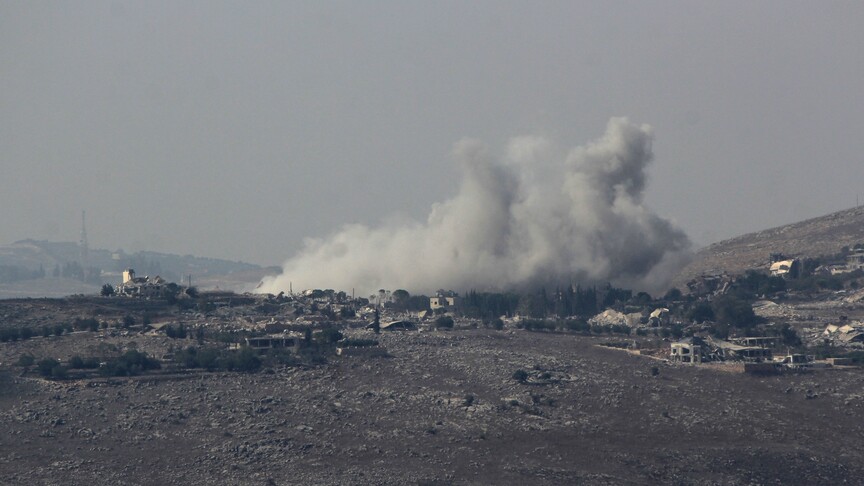
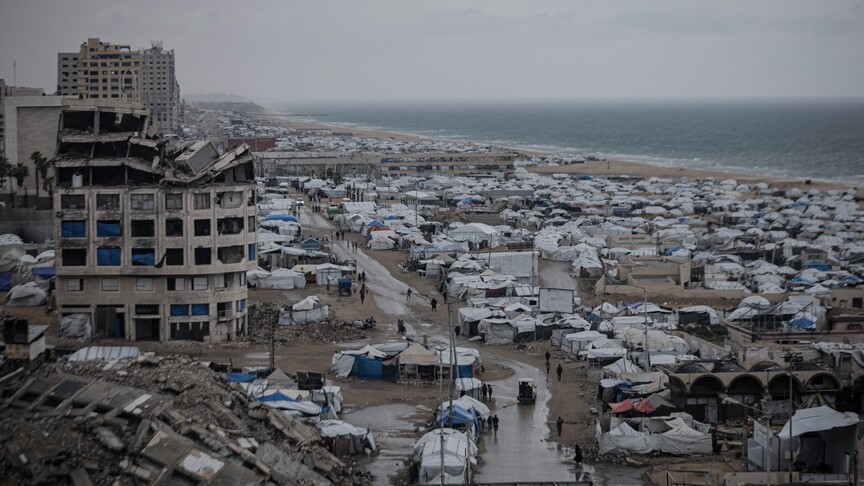
In the wake of the devastating Gaza conflict, President Joe Biden revealed in an MSNBC interview his effort to persuade Israeli Prime Minister Benjamin Netanyahu to minimize civilian casualties. He also highlighted the necessity to address the "legitimate concerns" of Palestinians amidst the United States' unwavering support for Israel. This discussion comes as the war, which erupted following a deadly attack by Hamas on October 7, 2023, has resulted in significant loss of life and displacement in Gaza, exacerbating a humanitarian crisis.In the interview, Biden acknowledged the expiration of a 15-month-long violent clash that has left tens of thousands of Palestinians dead and much of Gaza in ruins. He expressed his hopes regarding a provisional cease-fire agreement established on January 16, aimed at halting hostilities and facilitating the release of some hostages held by Hamas. Despite ongoing negotiations, Biden mentioned that the political pressure on Netanyahu from right-wing factions in Israel may have hindered dialogue efforts.Biden reiterated his advice to Netanyahu, urging him to avoid indiscriminate bombing practices that have escalated tensions and civilian harm. “You can’t be carpet-bombing these communities,” he stated, recalling his warning message to the Prime Minister ten days after the conflict began. The U.S. President also took a moment to defend his administration's stance on Israel during heightened Iranian threats, emphasizing the support aimed at ensuring Israel's safety against missile attacks.While acknowledging the delays in negotiations, Biden emphasized the collaborative efforts between his administration and President-elect Donald Trump to achieve a cease-fire, acknowledging the pressures faced by Netanyahu. As the situation in Gaza continues to unfold, the focus remains on stabilizing the region and addressing the humanitarian crises created by the prolonged conflict.