In brief
The United Nations reports that Iran employs a "state-sponsored vigilantism" approach, encouraging public reporting of women against the country's hijab laws through mobile apps and constant surveillance.
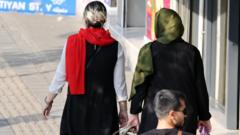
In recent findings, the United Nations highlighted Iran's aggressive tactics against women who defy its strict dress code, employing drones and digital technology to monitor compliance. These actions constitute a broader effort of "state-sponsored vigilantism," where civilians are encouraged to report transgressors through specialized apps, particularly in urban areas like Tehran. The so-called "Nazer" app allows citizens and police to document women violating hijab laws in public transport like taxis and buses. Reports indicate that violators could face severe repercussions, including imprisonment, beatings, and sexual violence in custody. Investigators interviewed nearly 300 victims concerning these abuses, emphasizing the state's systematic discrimination against women's rights. The recent report from the Independent International Fact-Finding Mission follows the death of Mahsa Amini, a Kurdish woman who died after being detained by the morality police for not wearing a hijab. Her death ignited widespread protests, which continue to challenge Iran's theocratic regime. State authorities are increasingly using advanced surveillance technologies, such as facial recognition software at universities and surveillance cameras on major roadways, to detect uncovered women. The report will be submitted to the Human Rights Council, underscoring the ongoing plight of Iranian women facing oppression under a regime that seeks to enforce strict adherence to its laws through fear and subjugation.