In brief
The Integrated Food Security Phase Classification (IPC) has reported a humanitarian crisis in Gaza, labeling the famine as an "entirely man-made" situation due to Israel's systematic obstruction of aid. With over 500,000 affected, the crisis is exacerbated by military actions and a restricted aid distribution system.
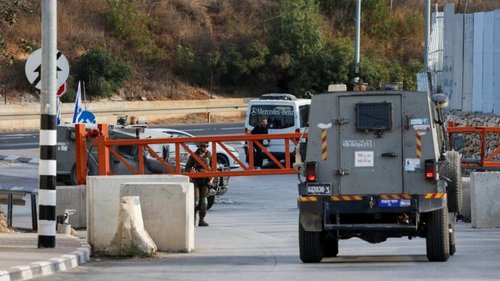
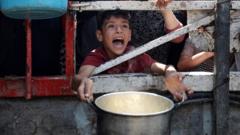
Famine is currently devastating Gaza, with half a million residents facing severe food shortages. The Integrated Food Security Phase Classification (IPC), backed by the United Nations, has identified this crisis as "entirely man-made," pinpointing Israeli policies as the primary cause. Aid organizations claim Israel is systematically obstructing essential food supplies from reaching the beleaguered strip, where hundreds of trucks of food aid remain waiting at the border.The IPC’s shocking report highlights that approximately 25% of Gaza's population is suffering from famine, with conditions including starvation, malnutrition, and rising mortality rates. Key findings indicate that at least one in five households are experiencing extreme food shortages, while roughly one in three children are acutely malnourished. Disturbingly, approximately 0.2% of the population is dying daily due to starvation, malnutrition and disease complications.Despite this grim assessment, Israeli Prime Minister Benjamin Netanyahu has denied the presence of starvation in Gaza, attributing it instead to the actions of aid agencies and Hamas. While Israel cites the waiting aid trucks as evidence of mismanagement by international organizations, the ongoing military conflict has drastically hampered the ability of Palestinians to access food, with the situation worsening significantly since a near-total blockade was implemented after the Hamas-led attack on October 7, 2023.Escalating violence has made food acquisition perilous for residents. Under the new distribution system created by the Gaza Humanitarian Foundation (GHF), Palestinians must travel dangerous distances to a limited number of sites to retrieve food, resulting in fatalities as people have been shot merely trying to access aid. The UN reports a staggering number of deaths - over 900 Palestinians killed near GHF sites since May.In response to mounting global pressure, Israeli authorities have recently allowed limited aid shipments to enter the region but remain far below the minimum requirement of 600 trucks per day for basic sustenance. Critics argue that tactics such as airdrops are ineffective and have resulted in unnecessary risks for civilians.Reports of resource hoarding and looting circulate; however, the majority of scarcity is due to Israeli restrictions rather than an organized diversion by Hamas. Aid agencies insist the urgent need for a flow of aid into Gaza remains unmet, stating that humanitarian assistance must not be obstructed further.The IPC's report has faced rejection from Israeli officials, with claims it is biased towards Hamas. However, international leaders, including UN Secretary-General Antonio Guterres, assert that Israel, as the occupying force, bears legal responsibilities to ensure the welfare of Gazans. As conflict escalates, with thousands of reservists reportedly preparing for an invasion of Gaza City, the potential for increased humanitarian suffering raises alarm among global organizations.UN officials, including the humanitarian chief, emphasize that allowing starvation as a weapon of war may constitute a war crime, heightening the urgency for immediate action to protect civilians facing famine and the harsh realities of ongoing instability.