In brief
The rise of Yasser Abu Shabab, a militia leader in Gaza, highlights Israel's complex strategy to counter Hamas while facing humanitarian crises.
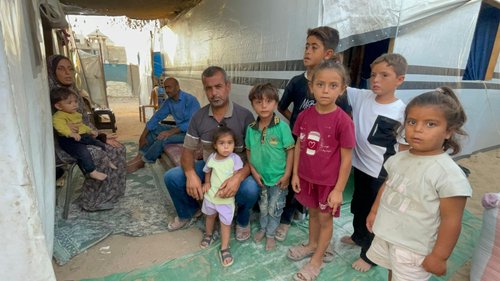
In the heart of Rafah, Gaza, Yasser Abu Shabab, a Bedouin man in his 30s, has become a significant player in the region's dynamic, leading a Palestinian militia that Israeli officials claim they have armed to weaken Hamas. Despite his group's denial of receiving support from Israel, Abu Shabab’s influence is palpable, particularly near one of Gaza's crucial border crossing points.Over recent months, humanitarian officials and local residents have raised serious allegations against him, claiming he has participated in looting aid trucks intended for desperate communities across Gaza. As food scarcity continues to plague the region, the divide between humanitarian needs and militia operations only deepens.Analysis suggests that Israel’s collaboration with Abu Shabab's group, known as the Popular Forces, stems from a tactical decision by Prime Minister Benjamin Netanyahu. In a recent statement, Netanyahu mentioned that the Israeli government has activated local clans opposed to Hamas based on the advice of security advisors, asserting that this maneuver potentially saves the lives of Israeli Defense Force soldiers.The armed presence of Abu Shabab’s militia, reportedly smaller than Hamas, raises questions about the future of Gaza's governance and whether Israel's approach may reshape local power structures. The situation continues to evolve as both humanitarian crises and military dynamics in Gaza remain in flux.