In brief
Amal Abdelazeem, a 26-year-old woman in Sudan, is navigating the tumultuous landscape of a civil war, once filled with aspirations for change. Working in a front-line clinic, she treats the wounded without formal training, adapting her approach amid the dangers surrounding her. Representing a generation that sought democracy, she witnesses their swift collapse into chaos, as many turn to unexpected roles in the conflict.
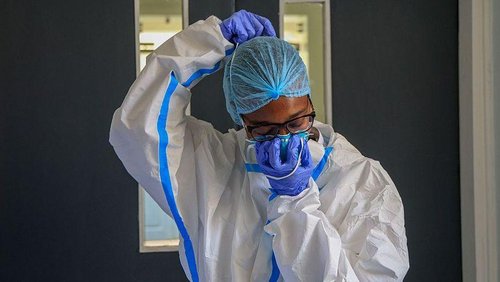
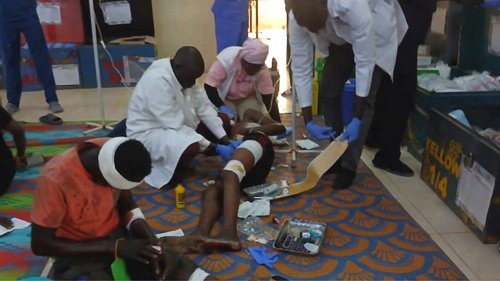
Amal Abdelazeem, 26, finds herself entrenched in Sudan's brutal civil war, transforming her ambitions into a struggle for survival. She works in a makeshift clinic situated in the heart of Khartoum, where her days entail treating both combatants and civilians caught in the crossfire. Despite lacking formal medical training, she tirelessly applies improvised methods to help those who arrive, often in critical condition, as desperate pleas for help echo around her.Amidst the chaos, with drones hovering overhead and sporadic gunfire shattering the air, Amal’s resolve remains unyielding. Describing her evolution in this war-torn environment, she remarks, “I’m a different person now.” The hopes that filled her generation, which once toppled a long-standing dictator in 2019, have been dashed as violence erupted between rival military factions just a few years later.Her experiences reflect the bitter reality facing many young Sudanese today. Once, Amal was part of a movement that sought a brighter future for Sudan; now, she witnesses that dream dismantled by warfare. Many of her peers have adopted unexpected roles to cope with this transformation—some have taken up arms, while others provide vital services like food distribution or legal support for those affected by the violence. As a reflective member of her generation, Amal’s story encapsulates both the disillusionment and the resilience within a collective caught in profound adversity.