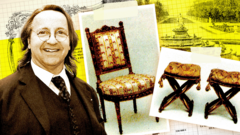
Art expert Bill Pallot, a prominent figure in the 18th-century French furniture scene, is currently undergoing trial in France, facing serious allegations of trafficking counterfeit antique pieces. Pallot, whose expertise had earned him acclaim among museums, art galleries, and elite collectors—including notable figures such as Prince Abdullah bin Khalifa Al-Thani from Qatar—stands accused of convincing buyers that they were acquiring authentic royal antiques.
At the height of his career, Pallot established his reputation by identifying and authenticating several pieces that later received designations as national treasures in France. His confidence and authority were derived from decades of studying antique furniture, culminating in his influential book “The Art of the Chair in 18th Century France,” which featured a preface by the fashion mogul Karl Lagerfeld. This expertise allowed him to build a following, but ultimately he is alleged to have exploited this trust, leading to fraudulent sales involving chairs purported to have belonged to historical figures, including Queen Marie Antoinette and Madame du Barry.
The downfall of Pallot's once-revered career began when a former student, now a seasoned antiques expert, discovered irregularities in the authenticity of the pieces he had been promoting. This scrutiny revealed that the unique taste of licorice, a detail Pallot was associated with regarding genuine antiques, served as a clue in identifying the forgeries.
As the trial unfolds, the art world watches closely, pondering how such a high-profile figure could fall from grace in a sphere where credibility is paramount. The outcome of this case may ripple through the antique dealer and collector community, raising pressing questions about authenticity and trust in the market.