In brief
Serbia’s veteran president Aleksandar Vučić conceded defeat after the Student List captured 52.7% of the vote, winning 2.25 million ballots against the SNS’s 1.67 million. The 250‑seat parliament now faces a gripped coalition of doctors, actors and academics who rose from a campus protest over a deadly train‑station collapse. Vučić’s vote share fell to 39.2%, prompting a historic shift in Serbian politics. European leaders and Russian officials have already weighed in, while the country prepares to name a new prime minister amid expectations of closer ties with the EU. The transition marks a decisive break from two decades of authoritarian rule in Serbia.
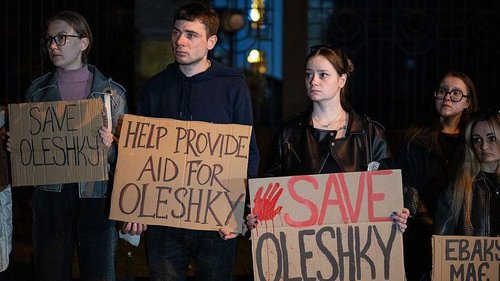
On 25 October 2026, Aleksandar Vučić, Serbia’s long‑time president, stood before the National Assembly and admitted defeat in the snap parliamentary election, paving the way for a student‑led coalition to take power. The Student List, formed in 2024 after a train‑station collapse killed 16 people, won 52.7% of the vote in the 250‑seat parliament, a decisive 785,000‑vote margin over Vučić’s Serbian Progressive Party (SNS).
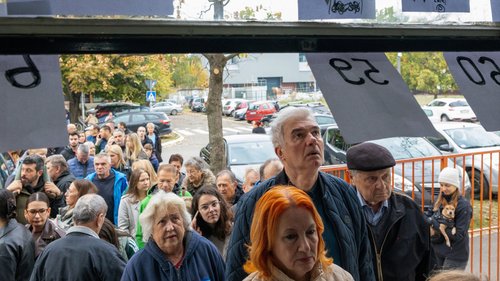
Celebrations erupted across Belgrade, Novi Sad and many provincial towns, with crowds dancing, honking horns and fireworks lighting the night. Residents recalled the coalition’s roots in anti‑corruption protests, describing the victory as a “free state” and a “miracle” that dislodged a regime that had ruled for over a decade.
Vučić, who had previously secured a presidential term and refused a third run, called the snap election “an extraordinary challenge” but accepted the results, saying that “everything is going to get better now.” His party now holds 39.2% of the vote, losing its near‑parliamentary majority for the first time since 2012.
Foreign leaders have reacted swiftly. Brussels’ Marta Kos stated that the new regime would open “a new chapter” for Serbia’s EU ambitions, while Russian spokesman Dmitry Peskov warned that cooperation with Moscow would remain essential. Hungarian Prime Minister Péter Magyar celebrated the student movement’s victory, comparing it to the 2024 Hungarian revolution that ended 16 years of Viktor Orbán rule.
The Student List, without an obvious single leader, announced a coalition of doctors, actors, academics and sports figures who will now govern. Political scientist Nebojša Vladisavljević described the win as “an avalanche that has wiped out an authoritarian regime.” The new government’s mandate to purge corrupt officials and control media oversight has sparked intense debate about Serbia’s democratic future.
With the current parliamentary speaker, Ana Brnabić, temporarily acting as prime minister, the country is poised for December’s presidential election, where the Student List’s leadership will decide who will become the next head of government. The transition will test Serbia’s capacity to balance internal reform and external pressures from the EU, Russia, and neighbouring Balkan states.