In brief
Facing a tight runoff with former presidential candidate Flávio Bolsonaro, President Luiz Inácio Lula da Silva’s campaign has formally asked Brazil’s Superior Electoral Court to disqualify his opponent, citing evidence that Meta—owner of WhatsApp, Instagram and Facebook—curated content to favour Lula’s campaign. Meta denies any bias and has pledged to comply with a court order to treat all candidates equally. UN experts had earlier warned of disparities in reach and engagement across the two campaigns, citing temporary account restrictions and differing audience metrics. Bolsonaro counters that Lula’s campaign abused state data to flood WhatsApp with promotional material. The case now sits on the TSE, and its outcome could shape Brazil’s upcoming election on Sunday.
A tight presidential runoff this Sunday sees Brazil’s incumbent Luiz Inácio Lula da Silva up against right‑wing challenger Flávio Bolsonaro. On Wednesday, Lula’s team filed a petition with the country’s top electoral court, the Superior Electoral Court (TSE), demanding that Bolsonaro be disqualified from the race.
The core argument centres on alleged interference by Meta, the company that owns WhatsApp, Instagram and Facebook. Lula says the platforms curtailed or amplified content to favour his opponent and that this bias put his campaign at a disadvantage. Meta quickly denied any preferential treatment, pledging to comply with a court order to treat both campaigns equally.
UN special rapporteurs on freedom of expression added fuel to the dispute by highlighting irregularities in reach and engagement for the two candidates, noting temporary account restrictions and uneven audience exposure.
In a retaliatory move, Bolsonaro filed a counter‑petition accusing Lula’s administration of exploiting data to mass‑dispatch messaging on WhatsApp in a campaign‑style push. The legal back‑and‑forth remains on the TSE’s docket.
Political observers note that the case’s outcome could influence the outcome of Brazil’s closely contested runoff, as voters weigh both campaign performance and the perceived integrity of digital outreach.
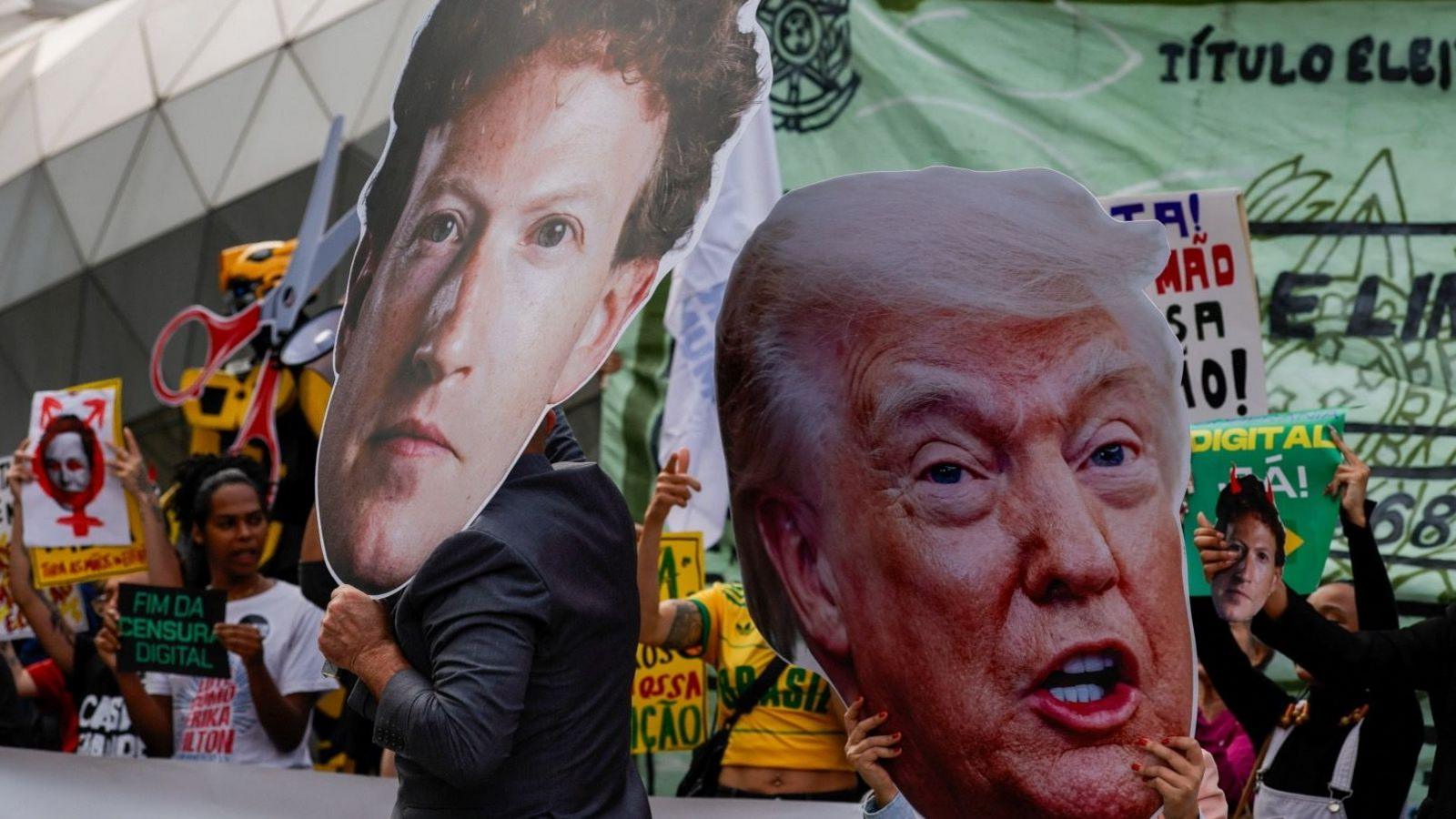
Outside the courtroom, thousands of supporters of Lula have marched on the headquarters of Meta in São Paulo, demanding transparency and justice in the online environment that now shapes elections worldwide.