In brief
Statelessness affects millions globally, with personal stories like Arnold Ncube’s revealing the difficulties faced by those without official documentation. In South Africa, he struggles for access to education and employment, embodying the tragic consequences of lacking a birth certificate. Advocacy for change continues, as efforts seek to address the plight of stateless individuals.
Many people may take their birth certificate for granted, but for those without one, it can lead to a shadow life. This situation impacts millions globally, including 25-year-old South African Arnold Ncube.
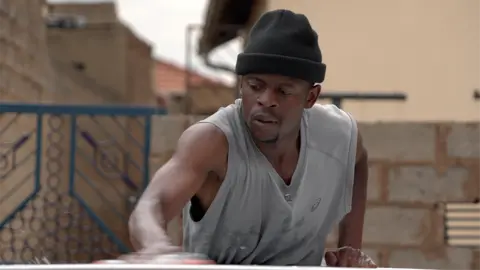
Arnold Ncube, born in Johannesburg to a South African father, has faced the harsh realities of statelessness after being abandoned by both parents. His lack of a birth certificate has forced him into menial work, such as washing cars in Thembisa township.
“It's a painful thing,” Arnold reflects, “You're basically invisible. You don't exist.” Without documentation, he has been deprived of educational and job opportunities, unlike his peers who have moved on to higher education.
Statelessness affects an estimated 10,000 people in South Africa alone. Advocacy groups have no official statistics, with figures based on estimations, leading to a significant number of individuals slipping through the cracks.
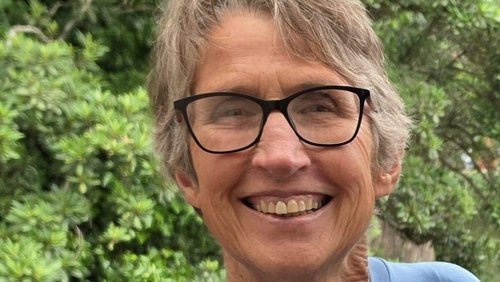
Human rights advocate Christy Chitengu, who experienced statelessness herself, found her way to citizenship with help from Lawyers for Human Rights. Her story demonstrates the complexities faced by individuals born to foreign parents and hindered by bureaucratic barriers.
The issue of statelessness isn't isolated to South Africa; millions worldwide, including approximately 4.5 to 15 million, lack official nationality records. Experts push for policies that allow parents to register children at birth and grant women the right to pass on citizenship.
Arnold currently fights for documentation, hoping for a brighter future and the chance to study computer science. Surrounded by children while playing football, he remains hopeful as he continues his fight for acceptance and identity.