In brief
The trend of men taking their mothers’ first names as surnames is gaining traction among Kenya’s Kikuyu population, prompting backlash from those who see it as unmasculine. While the practice has found champions in politics and entertainment, critics argue it erodes traditional patriarchal norms. Cultural experts explain that single‑mother households increase the visibility of maternal lineage, and that names can reflect female influence. Some politicians, like MP John Njũgũna Wanjikũ, proudly claim a female surname to honour their mothers. Others go on record to say that such naming can cause identity confusion but also sparks dialogue about gender roles.
Across Kenya, a growing number of men are choosing their mothers’ first names as their surnames, a move that is sparking both cheers and jeers. The trend is most visible in the Kikuyu community, where traditionally children inherit the father’s first name as a family name.
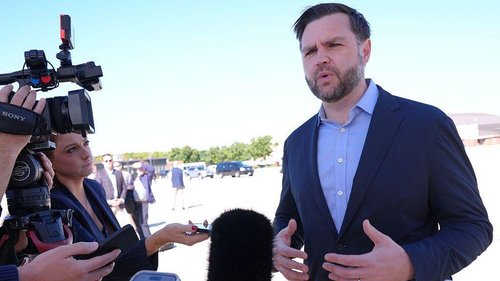
The practice has gained prominence with figures such as MP John Njũgũna Wanjikũ – who earned the nickname “Ka‑Wanjikũ” – and musician Simon Macharia Wangũi, who proudly brands himself Wa Esther. Yet not all view it positively; some critics argue that it undermines patriarchal norms and paints men who adopt maternal surnames as lacking masculinity.
Cultural experts point to the rise of single‑mother households as a key driver. In a traditional record, a child raised by a single mother often carries the mother’s first name to avoid confusion in polygamous families. This legacy has informed modern naming practices.
Yet the debate is serious. A blogger described the practice as a “yoke around men’s necks”, while another called it an attempt to “womanise the Kikuyu man and make him weak.”
“When you take your mother's name, it means you love and respect her,” says activist Peter Kĩgia.
Despite criticism, many men who use female surnames claim it strengthens personal identity. Wangũi says that success with a mother‑name wins society recognition: “People will see you as having beaten the odds.”