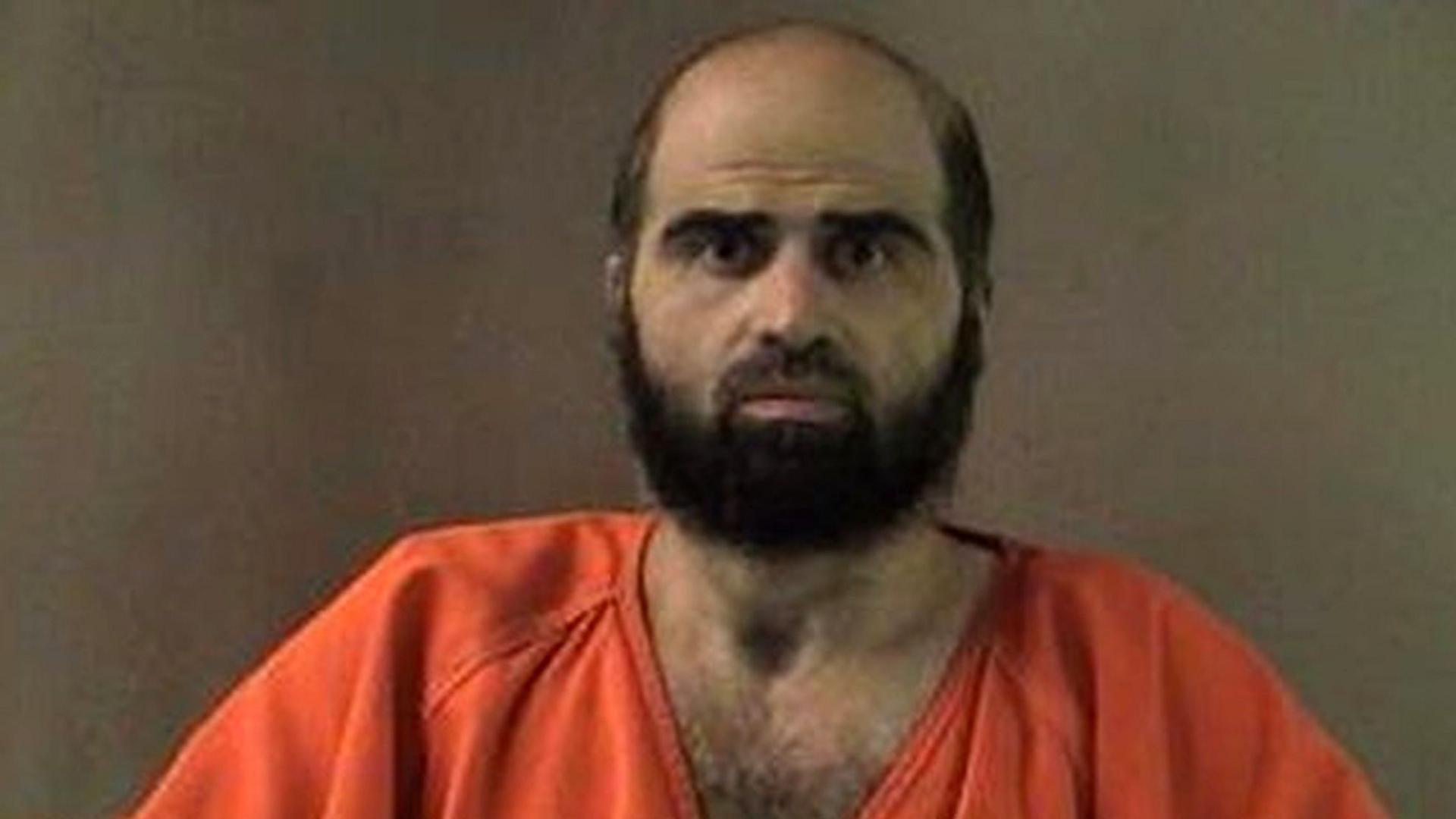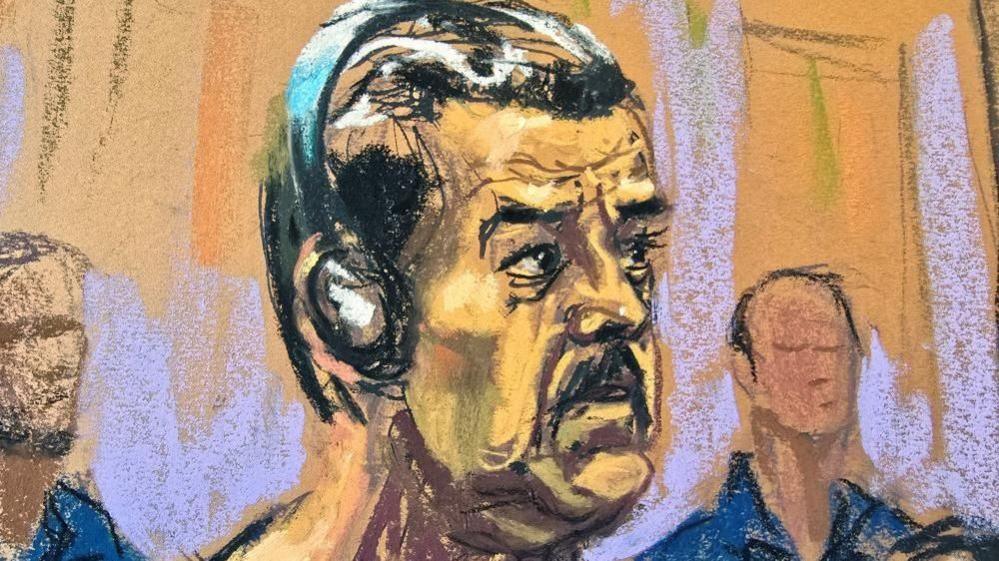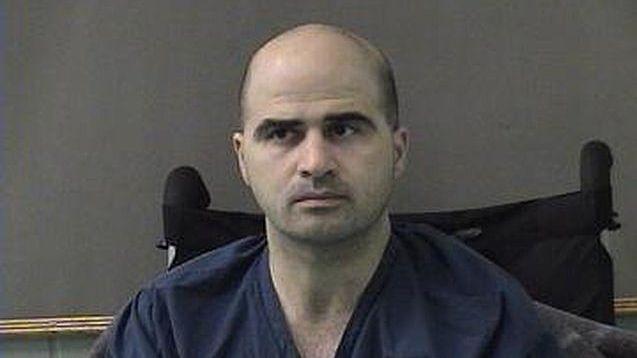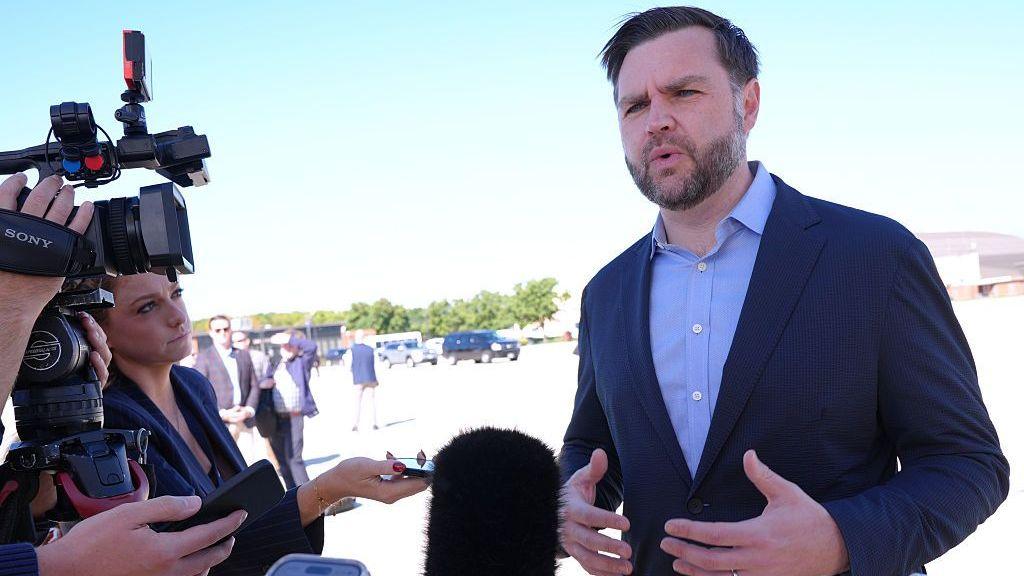
Vice‑president JD Vance expressed uncertainty about the Pentagon’s plan to livestream the firing‑squad execution of Nidal Hasan, the 2009 Fort Hood shooter. He told reporters, "I don't know that that's actually going to happen," and added, "If it's through live stream, I'm not going to be watching it."
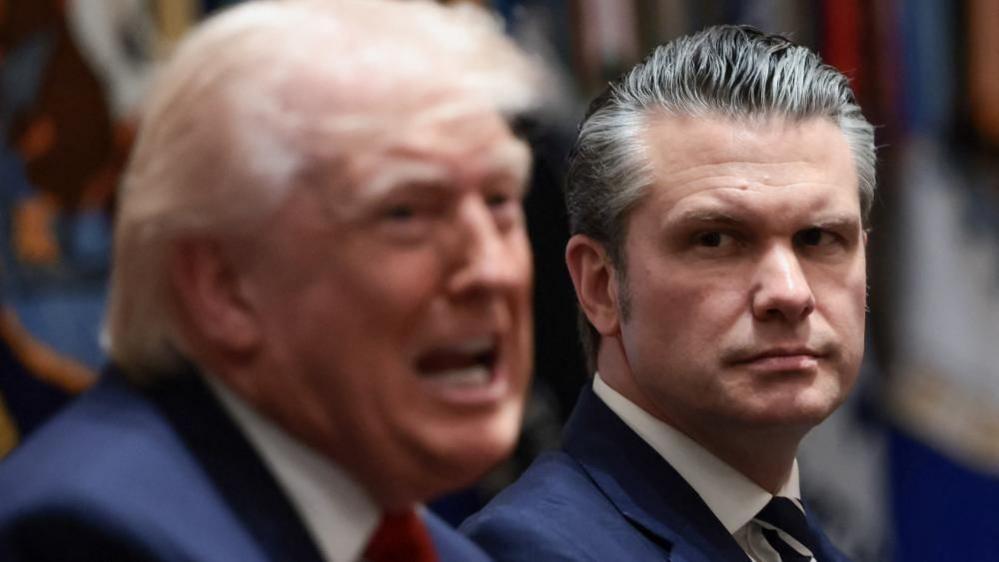
The following day, President Donald Trump said he had "absolutely" approved the livestream plans, but the Pentagon remained "making a determination." Military law demands presidential approval for executions, and the presentation of Hasan’s case is still undergoing appellate review.
Senators on both parties called the idea unsuitable. Republican Senator John Curtis warned that public executions could "cultivate an appetite for execution as entertainment," while Democratic Senator Chris Murphy called the suggestion "disgusting" and a nod to terrorist propaganda. Former national security adviser John Bolton also cautioned that the livestream was "unnecessary," noting that observers could attend in person or receive official coverage.
The potential livestream raises questions about corporate platform policies. Meta, YouTube, TikTok and X all prohibit live streams of capital punishment, citing rules against graphic violence. TikTok’s policy stresses that even government‑sanctioned deaths do not qualify as "public interest" content. Meta’s policy specifically bans live capital‑punishment content, while YouTube forbids content designed to shock viewers. None of the platforms has yet responded whether they would allow Hasan’s execution to be broadcast.
The debate underscores a growing discomfort with broadcasting state executions. The U.S. the first military execution in more than 60 years, and the policy showdown could set a precedent for how capital punishment is presented to the public.