In brief
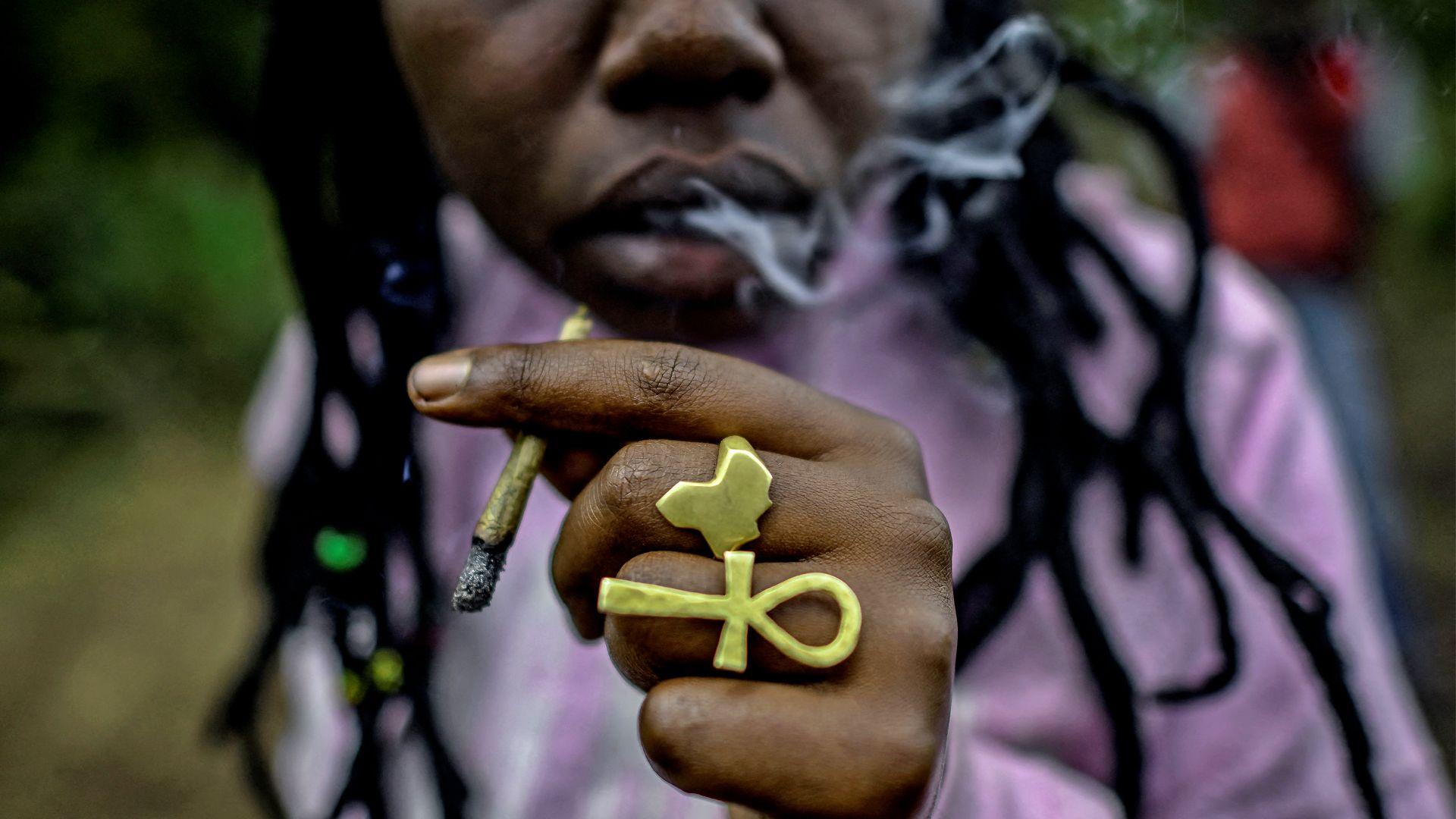
Kenya's High Court has refused to grant an exemption allowing Rastafarians to legally use cannabis as part of their religion. Justice Mwamuye upheld the Narcotic Drugs and Psychotropic Substances Act, finding no compelling evidence that cannabis is an essential sacrament for the faith. The ruling thwarts a six‑year legal fight sparked by the Rastafarian Society of Kenya. A national debate on cannabis regulation remains, as advocates argue for jobs, tax revenue, and medical use.
Kenya’s High Court rejected a legal challenge by the Rastafarian Society of Kenya, which sought an exemption to use cannabis as a sacrament within private residences and places of worship. The petition argued that the ban on cannabis infringed on religious freedom guaranteed by the constitution.
Justice Bahati Mwamuye upheld the constitutionality of the Narcotic Drugs and Psychotropic Substances Act, citing inconsistent evidence that cannabis is an essential part of Rastafarian worship. He warned that an exemption could undermine the enforcement of drug laws and create loopholes for trafficking.
The decision, delivered after a six‑year campaign, marks a setback for Rastafarians who view cannabis as a sacred plant. While the ruling closed the immediate case, it invited a broader national conversation on the role of cannabis in Kenya, touching on potential job creation, tax revenues and medicinal uses.
In response, Rastafarian lawyer Danstan Omari pledged to appeal, asserting that Kenya should not single out Rastafarians for persecution. The High Court also reaffirmed that any future exemption would require a sound constitutional basis and thorough legal justification.
Kenya’s legal stance aligns with 1999 drug laws that penalise possession with up to five years imprisonment or a fine up to $800, and cultivation up to 20 years in prison.