In brief
In the Afar region of north‑eastern Ethiopia, camel herder Ali Umer reports blistered feet and dry skin as heat intensifies, leading to the loss of eight calves in a month. Studies from 2025 and 2026 show that drought‑related camel mortality now affects nearly half of households in Somalia, with northern areas reporting up to a 73% death rate. Heat stress is linked to hyperthermia, disease outbreaks, reduced milk production and reproductive failures, while the World Meteorological Organization notes a trend of temperatures exceeding 50°C across North Africa. With limited water, vegetation, shade and veterinary care, herders are relocating camels south and abandoning the northern deserts altogether. The combined evidence paints a stark picture of once‑indestructible camels now struggling against an unprecedented heat regime.
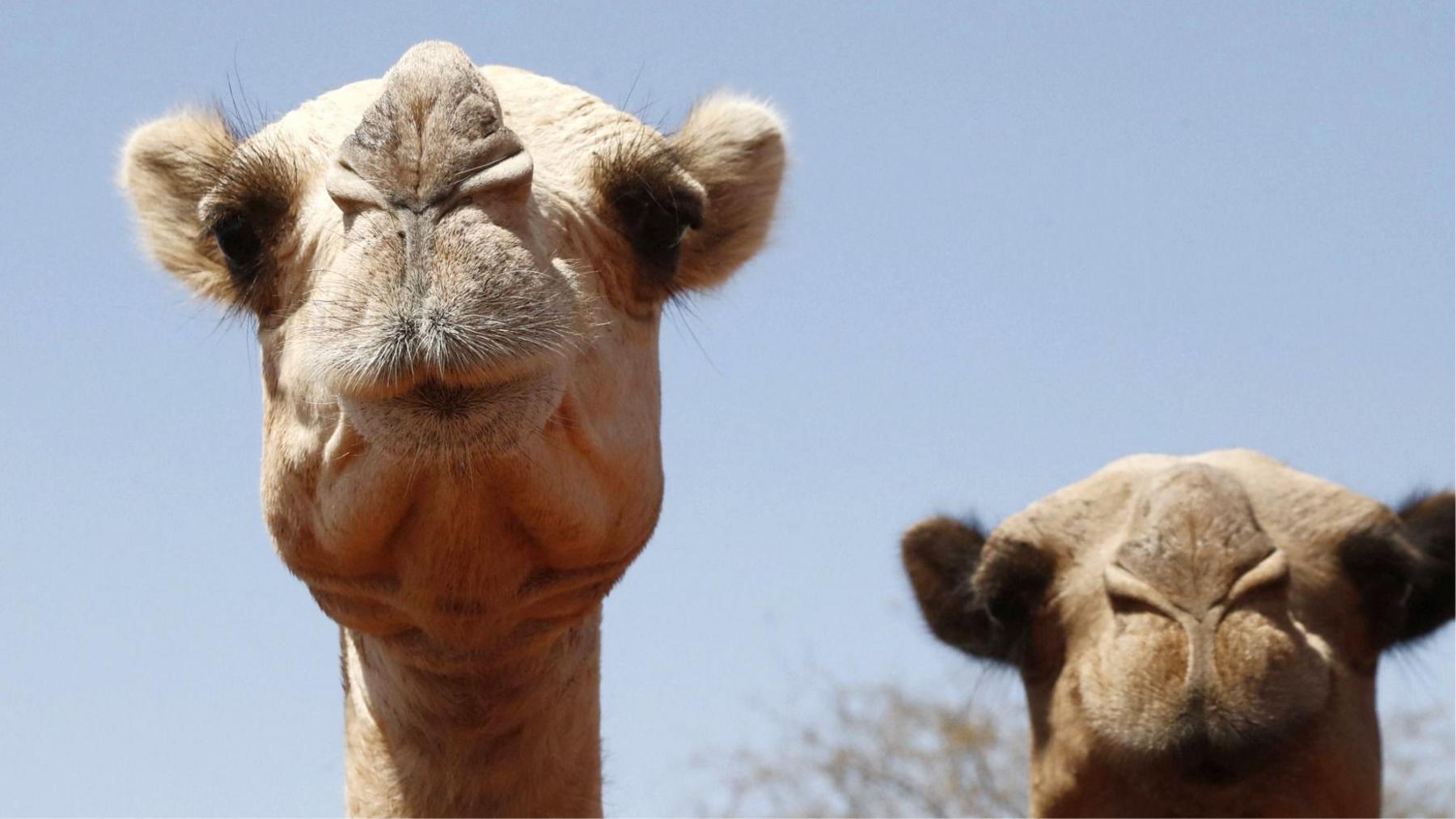
Camels have long earned the nickname “ships of the desert,” yet even these hardy animals are now struggling to survive the extreme heat sweeping across Africa’s Horn and North regions.
In Ethiopia’s Afar region, 40‑year‑old herder Ali Umer tells the BBC that his camels are suffering from blisters on their feet, watery eyes, burnt skin and losing hair, with eight calves already dead this month due to the scorching temperatures.
The problem is not confined to Ethiopia. A 2025 study of pastoralists in southern Ethiopia found that climate change and variability are damaging camel health, productivity and reproduction. Recent research published in June 2026 revealed that drought‑related camel mortality in Somalia affects nearly 46 % of camel‑owning households, with the northern region of Sool reporting a staggering 73 % death rate.
Climate scientists attribute the 2021–22 drought to extreme heat that turned water from soil and rivers into vapor, leaving scarce shade, vegetation and water – conditions that directly force heat stress in camels. Heat above 40 °C pushes camels to let their body temperature fluctuate, avoid sweating and minimize water loss, but temperatures soaring past 50 °C are now common in North Africa and the Middle East, the World Meteorological Organization reports.
Veterinary officers confirm the rise of hyperthermia cases, infections, and a 15 % increase in camel deaths over the last two years in northern Kenya. Studies on camel physiology show that prolonged heat above 41–45 °C damages white blood cells and organ function, leading to lowered food intake, lethargy, reduced milk yields and reproductive disorders.
As a result, herders are moving their herds southward where water and vegetation are relatively available. Daniel Gelan, a professor and pastoralist development researcher, calls it a permanent relocation, not just a seasonal shift, underscoring the unsustainability of camel herding in the north under current climate conditions.
The situation is worsening, with Oxfam noting that water prices in parts of Somalia have surged over 2,000% amid the ongoing drought. With limited veterinary services, shrinking shade, and relentless heat, the once‑wind‑tolerant camels are becoming the very casualties they were meant to buffer their owners against.