In brief
In Russian-occupied Ukraine, residents face harsh reprisals for holding onto their identity, including bans on Ukrainian language and holidays. As the Kremlin enforces strict measures, individuals like Maria engage in underground resistance, risking their lives to oppose the regime. The atmosphere of fear permeates daily life, as families navigate communications under the threat of surveillance and punishment. Despite the oppressive climate, several grassroots movements continue to challenge the occupiers, highlighting the resilience of the Ukrainian spirit.
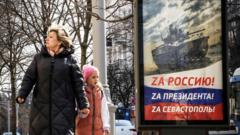
In the heart of Russian-occupied Ukraine, ordinary citizens grapple with the reality of repression and the fight to maintain their identity. As one resident named Maria (a pseudonym) poignantly states, "Russians are trying to ban everything Ukrainian here: language, and also traditions. Even Ukrainian holidays are forbidden." With the U.S. spearheading peace negotiations, those enduring the harsh realities of occupation confront a bleak and fearful future.The Russian authorities have enacted stringent measures aimed at eradicating Ukrainian culture, with severe penalties for dissenters. The fear of having one’s voice silenced hangs heavy, as many are reluctant to speak openly. Maria is part of an underground resistance group, operating quietly to spread awareness while navigating the dangers of Russian surveillance. She describes the chilling sentiment: "You have fear in your eyes, but your hands are still doing it. Of course it's scary."Communication with loved ones becomes increasingly perilous. Families separated by occupation endure treacherous interactions, hesitant to share their true sentiments for fear of reprisals. Residents like Sofia, now living in the UK but with parents still in occupied territory, recount tales of intimidation that stifle their connection. "My parents were searched by the [Russian security service] FSB," she shares, illustrating the extent to which daily life is overshadowed by fear.Consequently, speaking with acquaintances or relatives can land individuals into significant trouble. Kateryna describes how a friend was punished for aiding the Ukrainian army, encapsulating the risks faced by those who wish to support their homeland. Surveillance systems have been installed to monitor dissent, leading to a climate where dissenting voices are systematically silenced. Reports from rights groups indicate that numerous activists and journalists have been killed or disappeared under the occupation.In the wake of this repression, several underground movements have emerged, with groups like Zla Mavka focusing on non-violent resistance by distributing information and symbols of Ukrainian identity. Although independent verification of their impact is challenging, these movements symbolize the resilience and refusal to comply with the Russian narrative.Maria notes the prevalence of Russian propaganda in her environment, revealing how the Kremlin has monopolized media outlets and manipulated the education system to indoctrinate the youth. Local schools promote a distorted view of history and glorify the military, further deepening the divide between the two nations.Despite the perilous conditions, the unwavering spirit of the Ukrainian resistance shines through even in the shadows, marking a poignant struggle against the systematic attempts to erase their identity. As the situation continues to evolve, the world watches closely, hoping for a resolution that honors the rights and identities of those caught in this turmoil.