In brief
President Donald Trump has publicly denied any involvement in limiting Ukraine’s use of the Starshield, the military branch of SpaceX’s Starlink satellite internet. The restriction, imposed a few days earlier, capped speed at 100mph, disrupting drone and missile communication and following a spike in Russian strikes. Elon Musk hinted that the U.S. government may have issued the order, a claim supported by Reuters reports that the directive came from inside the White House. The dispute adds to growing friction between Washington and Kyiv over the stalled diesel agreement and an ongoing ceasefire over energy infrastructure. Senators have called for an investigation, while European leaders reaffirmed their commitment to support Ukraine amid escalating attacks.
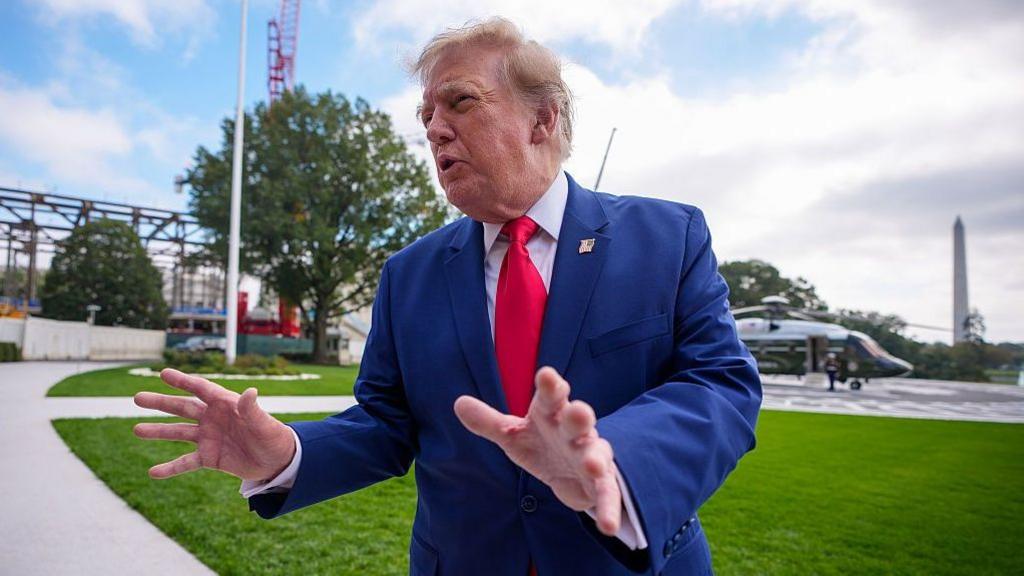
President Donald Trump has told reporters that he did not order the United States to curtail Ukraine’s use of the Starshield satellite‑internet network, the military counterpart of SpaceX’s Starlink service. The claim comes days after Kyiv’s commander, Volodymyr Zelensky, said the network still carried speed limits after the U.S. imposed restrictions that limited drones to 100mph.
SpaceX founder Elon Musk suggested the U.S. government might have pushed the order, a theory senior U.S. officials said Reuters found evidence for. The restriction followed a troubling surge in Russian missile and drone attacks that damaged Ukrainian infrastructure.
Starlink, a high‑speed civilian internet platform, was adapted into the Starshield service for military use. In February, the U.S. had stopped Russian access to the network, giving Kyiv a technological edge in the conflict.
When the speed caps were imposed, Ukrainian forces reported that any weapon moving above 160km/h lost network connectivity. The blackout created a blackout for a 600,000‑person region, compounded by the destruction of power and communications facilities.
Washington had warned earlier that it could cut further intelligence sharing if Ukraine remained active against Russian oil facilities. That warning clashed with Zelensky’s vow to resume strikes on Russian refineries after the U.S. announced a pledge to halt attacks on energy infrastructure.
At a Brussels summit, Zelensky asked European leaders to step up support, saying “If I don’t stand up to this… who else will?” The U.S. leadership, wary of stepping up sanctions, found itself at odds with Kyiv on the ceasefire issue.
Trump said Zelensky is “more difficult to deal with than Vladimir Putin,” yet claimed he still maintained a good relationship with his Ukrainian counterpart. When pressed about Starshield, Trump said he was “not sure it ever came down” in the system.
Senators from both parties requested an investigation into the disruption, saying it degraded Ukraine’s ability to defend against drone and missile attacks on cities.
European leaders, led by France’s Emmanuel Macron, stressed that EU states would not abandon Ukraine. Macron highlighted the importance of satellite and early warning systems, reaffirming Europe’s role in sustaining Ukrainian defenses.
At the summit, Ukraine demanded €70bn of funding for its defence budget, while the total war cost was projected at €155bn for the coming year. Europe, however, stressed coordination to ensure continued assistance amid a fourth winter of conflict since Russia’s full‑scale invasion in 2022.