In brief
In a significant move, Indian authorities have begun removing hundreds of tonnes of toxic waste from the Bhopal plant associated with the catastrophic 1984 gas leak. Despite long-standing health concerns, local activists worry about the implications of transporting waste to a new location for disposal.
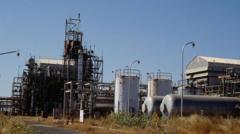
The Union Carbide plant in Bhopal, the site of one of the world's worst industrial disasters, has seen the removal of hundreds of tonnes of toxic waste after 40 years of stagnation. In December 1984, a gas leak claimed thousands of lives, leading to long-lasting environmental and health hazards in the region. Officials confirmed that approximately 337 tonnes of hazardous waste were transported to an incinerator location around 230 kilometers from Bhopal on Wednesday, adhering to a court-mandated four-week deadline established last month.Among the waste removed were pesticide residues and "forever chemicals," notorious for their persistent toxic nature. Previously, the harmful materials had remained dormant, continuously infiltrating local groundwater and threatening public health. A comprehensive study by the Indian Institute of Toxicology Research in 2018 highlighted how widespread contamination extended across 42 nearby residential communities.The push to clear these toxins gained momentum after the Madhya Pradesh state High Court criticized authorities for their negligence. The court described the government's years of inaction as "a state of inertia despite 40 years". Deployment of officials began Sunday, with the cautious packing of waste in leak-proof bags, leading to a secure transport operation that included police escorts and emergency response teams.Swatantra Kumar Singh, the chief of Bhopal’s gas tragedy relief and rehabilitation department, stated that incineration would commence as planned, and special safeguards would mitigate potential air and water pollution. However, activists have voiced strong opposition, citing a prior incident in 2015 when a trial incineration resulted in environmental contamination.Rachna Dhingra of the International Campaign for Justice in Bhopal warned that transferring the waste might recomplicate the existing health risks, dubbing it a "slow-motion Bhopal." She also noted that despite this removal, an estimated 1.1 million tonnes of toxic soil remains on-site, continuing to taint water supplies for countless residents.In the wake of the original catastrophe, acknowledgments of the tragedy's scale have been criticized as insufficient. Official death tolls suggest 3,500 immediate fatalities, with estimates exceeding 15,000 in subsequent years. Activists point out the systemic suffering endured by victims, some of whom still experience severe health implications today.Historical efforts to eliminate the waste have faced significant resistance, including failed prior attempts involving several proposed incineration sites outside of Bhopal. Even after compensating the Indian government with $470 million in 1989, Union Carbide's actions and accountability have continued to evoke public outcry, especially following the relatively light sentences handed down to former plant managers in 2010. The overarching sentiment remains that justice for the tragedy remains unfulfilled, leaving many residents anxious as the region’s toxic legacy persists.