
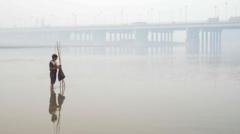
In brief
Lahore is grappling with extreme levels of air pollution, with readings exceeding 1,000 on the Air Quality Index. The city has implemented emergency measures, including school closures, a "green lockdown," and heightened restrictions on traffic. Experts warn that the situation may worsen as pollution peaks seasonally, largely attributed to vehicle emissions, industrial activity, and agricultural burning practices.
The city of Lahore is currently enveloped in a thick cloud of smog that has significantly disrupted daily life for its 13 million residents. For over a week, the region has battled hazardous air quality, with measurements consistently exceeding 1,000 on the Air Quality Index—far above the hazardous threshold of 300. The smog, characterized by a biting aroma reminiscent of burning, creeps in gradually, often going unnoticed until it becomes overwhelmingly oppressive.Health professionals are bracing for an uptick in respiratory issues as the smoke thickens, with many reporting itchy throats, sneezing, and coughing among the populace. Vulnerable groups like children and the elderly are particularly at risk, prompting hospitals to prepare for a surge in patients complaining of breathing difficulties.The government has enacted an array of emergency measures, classifying the situation as a “green lockdown.” With schools closed, citizens are urged to remain indoors, while heavy vehicles have been barred from certain areas deemed smog hotspots. Furthermore, the Lahore High Court mandated that all markets in Punjab close early, with complete closures over weekends, and parks as well as zoos have temporarily shut their doors.NASA satellite images highlight the alarming levels of pollution and the numerous agricultural fires contributing to the problem, primarily stemming from stubble burning by farmers across Punjab and India. Experts have indicated that about 30% of Lahore's pollution may originate from these fires, compounded by exhaust fumes from millions of vehicles—particularly motorbikes—and emissions from local industries.Meteorological conditions exacerbate the situation as cold air descends from Tibet, trapping pollutants in the atmosphere. The urban environment, battling against a backdrop of industrial activity and poor vehicular emissions, is facing a daunting crisis that seems poised to worsen as the season progresses.Local air quality advocate Abid Omar noted that readings from air quality monitors indicate levels often surpassing the index, reflecting a serious public health dilemma. Hospitals report an influx of patients with respiratory illnesses, raising alarms about public safety as a cold wave has yet to grip the region.Residents express frustration with the government’s approach, feeling that shutting down schools is a superficial response rather than a genuine endeavor to mitigate the pollution crisis. The Punjab Chief Minister announced plans for inter-regional dialogue with Indian officials for potential climate collaboration, though tangible solutions remain to be seen.As Lahore's battle against pollution intensifies, citizens are left yearning for clean air and effective governance, underscoring the urgent need for substantial reforms to address the longstanding issue of air quality.
