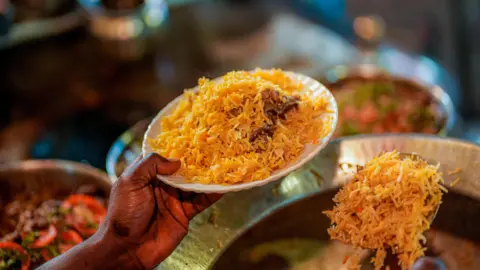
Ivory Coast's treasured dish, attiéké, renowned for its unique flavor and preparation, has officially garnered a place on Unesco's list of intangible cultural heritage. This staple, typically served alongside grilled fish or chicken, is crafted from fermented cassava flour and is cherished across West Africa as "Ivorian couscous."
Originating from the coastal regions of Ivory Coast centuries ago, attiéké has cemented its position in the cultural fabric of the nation. Ramata Ly-Bakayoko, the Ivorian delegate to Unesco, emphasized during a recent session in Paraguay that attiéké is "deeply rooted in the daily lives of its communities." Attiéké is not merely a meal; it plays a significant role in various ceremonies, including weddings, baptisms, and funerals, serving as a cultural touchstone.
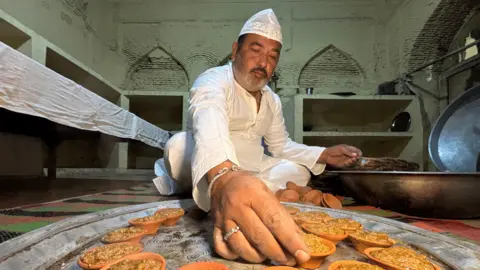
The traditional preparation of attiéké is a labor-intensive process often carried out by women and girls, requiring several days to complete due to its many intricate steps. It begins with peeling and grating the cassava root, which is then mixed with previously fermented cassava. After extracting the starch from the pulp and subsequently drying and steaming it, the final product is sold in local markets, typically in individual plastic bags.
Beyond its culinary importance, attiéké holds profound cultural significance, embodying the heritage and identity of the Ivorian people. As Ms. Ly-Bakayoko stated, the recipes and techniques are transmitted through generations, serving as a “pillar of their identity.”
Unesco's recognition underscores the urgency of protecting and preserving such intangible cultural practices, vital for humanity as a whole. Despite some controversy surrounding attiéké, including disputes over its origin and attempts to protect its identity through trademarks, its joyous essence continues to thrive within the community, celebrating both heritage and contemporary livelihood for many women artisans.