Jury Faces Stark Choices in Lindsay Clancy Murder Trial
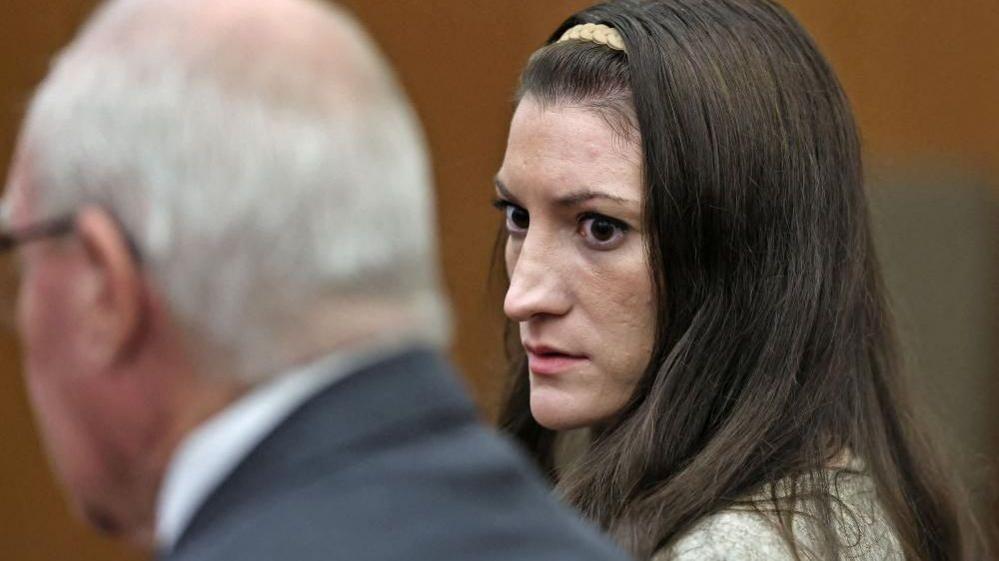
The jury at the Massachusetts state courthouse has grappled with the murder of Lindsay Clancy’s three young children for the past five weeks. The 36‑year‑old former nurse stands charged with three counts of first‑degree murder. While she acknowledges killing her sons and daughter, her defence cites postpartum psychosis as a partial justification.
If the jury accepts the mental‑health argument, a verdict of "not guilty‑by‑reason of insanity" will likely result in a psychiatric commitment. A traditional "not guilty" verdict, though unlikely, would release her entirely. Anything less severe, however, still carries significant penalties.
The prosecution’s case hinges on intent. Expert witnesses challenge whether Clancy genuinely heard a voice commanding her to kill. The jury must determine whether she acted out of pre‑planned cruelty or sudden, uncompensated violence.
The Five Verdict Options
- Not guilty
- Not guilty by reason of insanity
- First‑degree murder (mandatory life without parole)
- Second‑degree murder (life with parole eligibility)
- Manslaughter (maximum 20 years per count)
A manslaughter conviction means the court would accept that the killings were not pre‑planned but resulted from a split‑second decision. The prosecution is not required to prove intent under this outcome, making it a possible compromise for both sides.
The decision will set a precedent for how postpartum psychosis is handled in capital cases and raises the stakes of Nashville‑style mental‑health defence in the United States. No outcome is certain, but the jury’s deliberations will ultimately decide whether Clancy faces a psychiatric facility, a state prison, or a rare escape from custodial punishment.