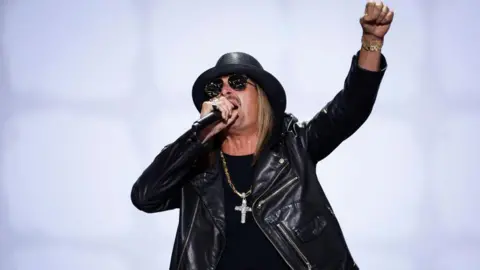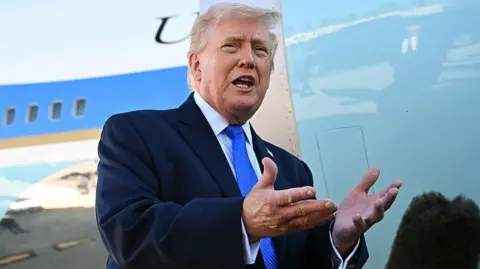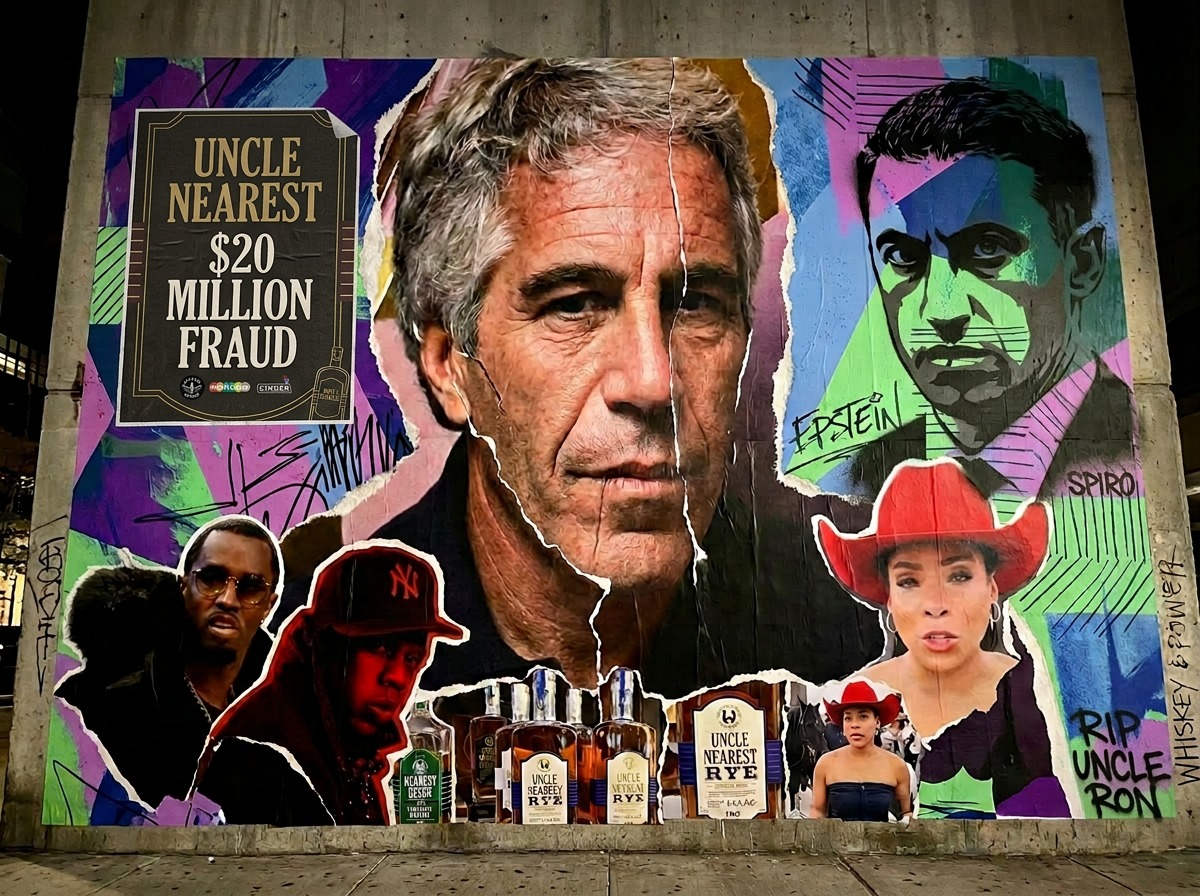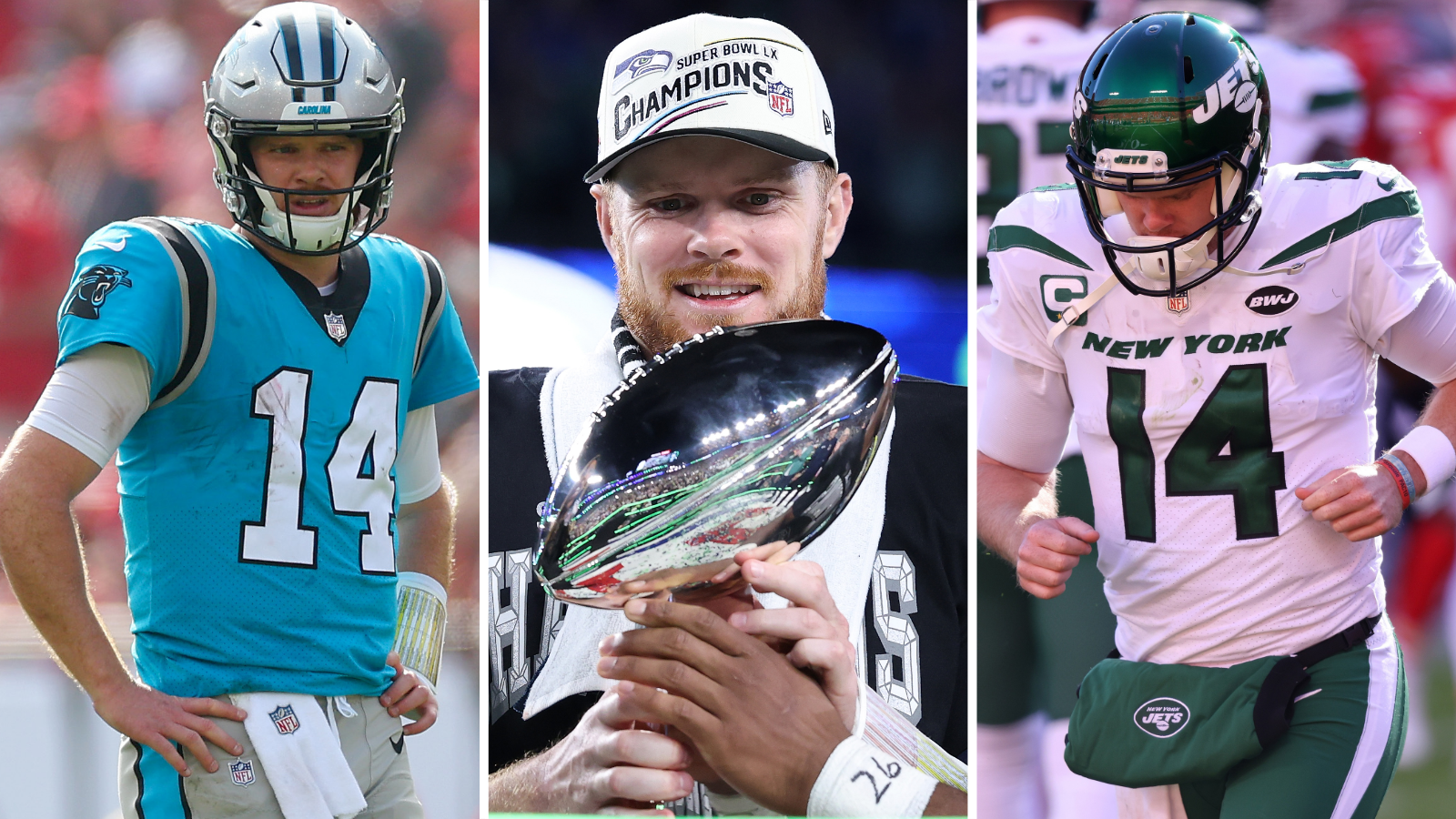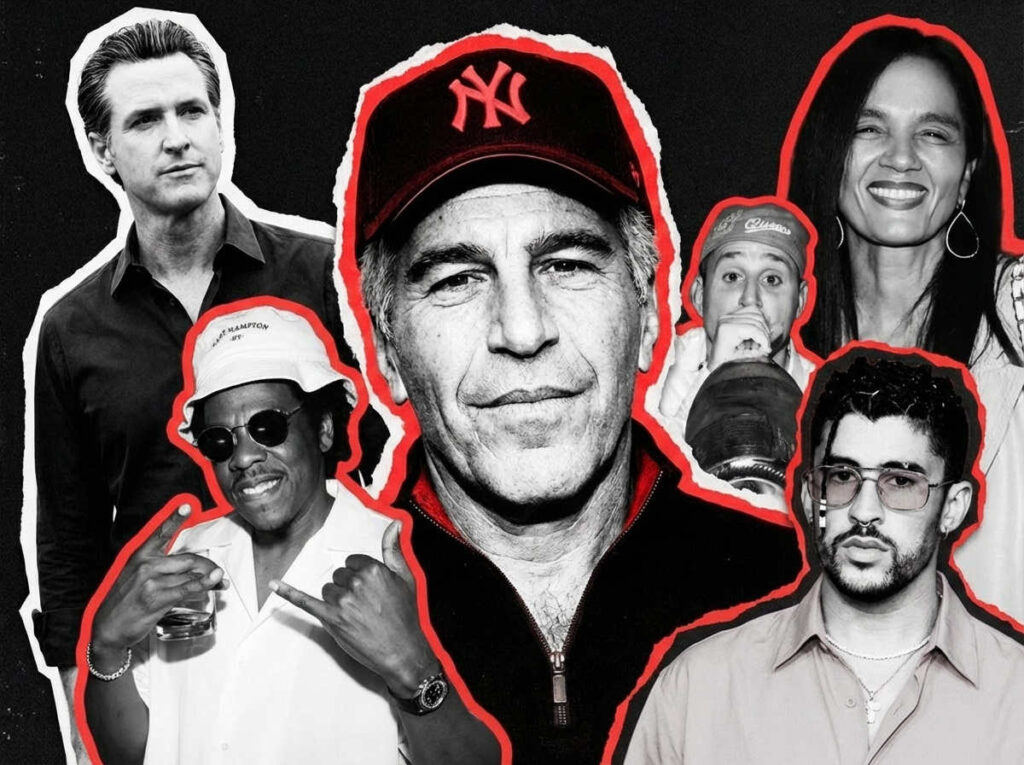
As the New England Patriots and Seattle Seahawks take the field at Levi’s Stadium for Super Bowl LX, the spectacle unfolding on the gridiron is competing with a very different kind of drama — one playing out in federal document dumps, VIP party rooms, and the corridors of political ambition. This year, the Super Bowl's spotlight is not only on deflated footballs or referee calls but on the influential figure who controls the halftime stage: Jay-Z. The recent release of files from the Epstein investigation brings Jay-Z's name into scrutiny, intertwining his star power with questions regarding ethics and accountability.
The Files That Won’t Go Away
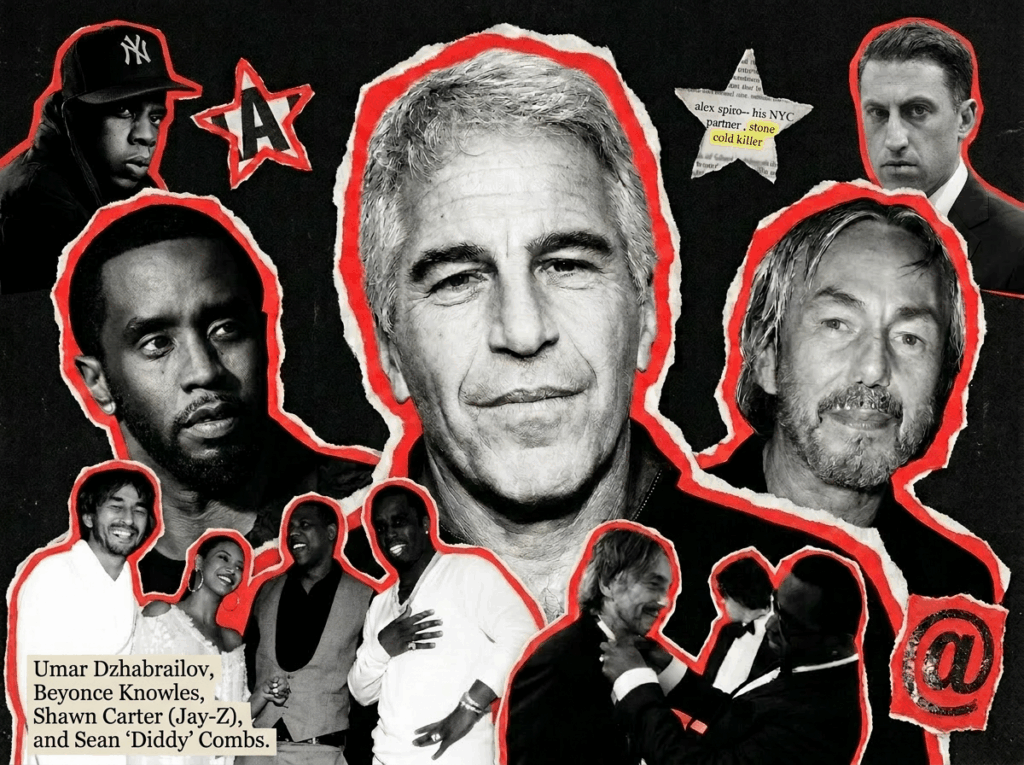
On January 31, the Department of Justice released more than 3 million pages of documents related to the Jeffrey Epstein investigation, including alarming allegations against high-profile individuals. Amid these revelations, allegations against Jay-Z from a 2019 FBI report accuse him of being present during a victim's traumatic experience.
This isn't the first time Jay-Z faces serious allegations; previously, he was mentioned in a civil lawsuit regarding a sexual allegation that dates back to 2000, which he vehemently denied. Such proceedings raise critical questions about his influence and the surrounding culture of silence within the realms of entertainment and sports.
The Man Behind the Curtain
Since 2019, Roc Nation's exclusive partnership with the NFL has allowed Jay-Z to select performers for the halftime show, a role that provides substantial sway. Despite controversies, NFL Commissioner Roger Goodell has openly expressed an unwillingness to challenge Jay-Z's choices, leading some to wonder if there exists an unsettling dynamic of power bordering on coercion.
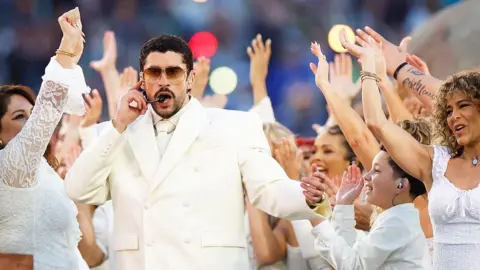
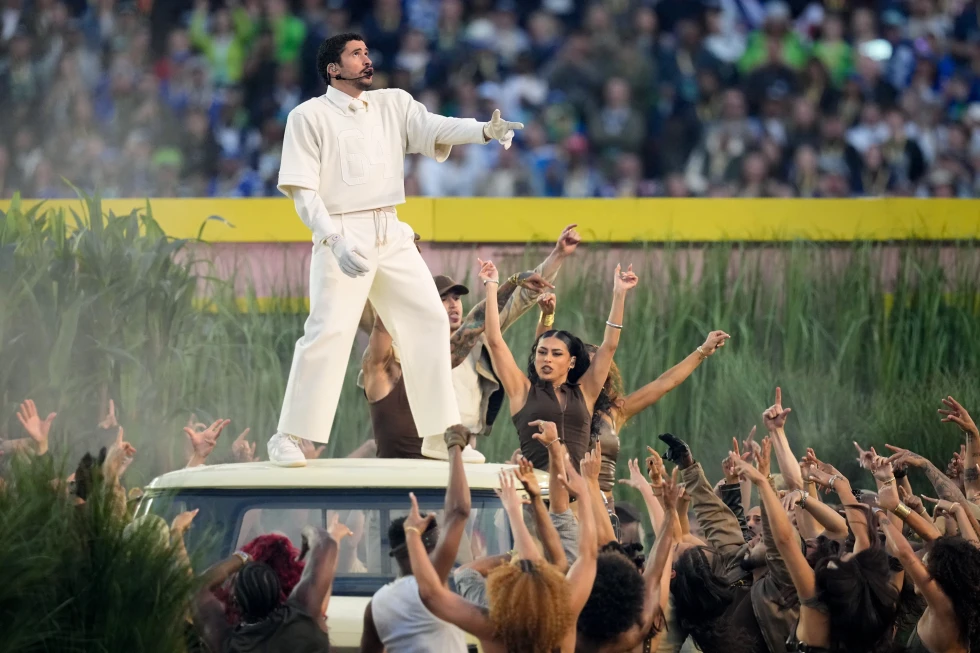
This year's choice of Bad Bunny as the halftime performer ignited political tensions, especially following Bad Bunny's recent vocal stance against federal immigration enforcement, which added yet another layer of complexity to the event and raised eyebrows among conservative commentators.
Saturday Night in San Francisco: The Party That Tells the Story
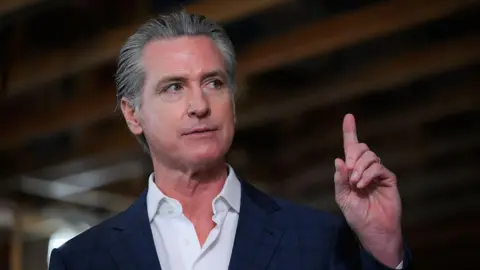
On February 7, San Francisco’s Pier 48 hosted a notable gathering led by Michael Rubin, where Jay-Z and political figures converged, further blurring the lines between sports, entertainment, and politics. Governor Gavin Newsom's interactions at such events reflect the intertwining ambitions of the entertainment and political landscapes as they shape public opinion and potential alliances ahead of his expected presidential run in 2028.
The Uncomfortable Questions
The intertwining of Jay-Z's influence in the NFL with newly publicized allegations from the Epstein files raises alarming questions about the accountability of figures who control significant cultural platforms. The partnership with Roc Nation extends beyond entertainment into the realm of political symbolism, thereby reflecting an era where entertainment and politics are increasingly indistinguishable.
The implications of these relationships and the lack of transparency surrounding them could leave lasting effects that linger well beyond the exciting plays on the field as we ask the critical questions necessary for holding power to account.