In brief
Major companies like Volocopter and Lilium are grappling with investment shortages, while Airbus maintains steady progress on its CityAirbus EVTOL project.
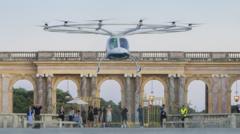
The dream of electric flying taxis in Europe appears to be faltering as financial resources dwindle. Volocopter, a German startup, had aimed to debut its VoloCity electric aircraft during this summer's Paris Olympics, but ultimately was only able to perform demonstration flights. As it struggles to secure additional funding—having failed to secure a €100 million loan from the government—Volocopter now seeks an $95 million investment from China’s Geely, which may take an 85% stake in the company. The electric vertical take-off and landing (eVTOL) market, while filled with promise, is proving difficult to navigate due to high costs associated with regulatory approvals and manufacturing setup, leading many investors to withdraw. Another prominent company, Lilium, originally developed a groundbreaking eVTOL design employing tilting jets, claiming significant orders and funding. However, after a failed push for a €100 million loan from Germany's KfW, Lilium entered insolvency, marking a sharp decline from its previous growth trajectory.British company Vertical Aerospace, despite early promising designs and tests with their VX4 aircraft, is also facing financial strain, leading its founder to inject personal capital into the company. Currently, Vertical is in discussions that could potentially secure a critical $75 million investment yet remains at risk of insolvency should negotiations fail.In contrast, Airbus’s CityAirbus NextGen project has reported steady progress and considerable backing, offering a potential beacon of hope within the industry amid these turbulent times. As the electric aircraft sector contemplates its financial viability, the focus will shift to establishing a sustainable market for these innovations, particularly concerning operational costs such as pilot training and battery replacements.