In brief
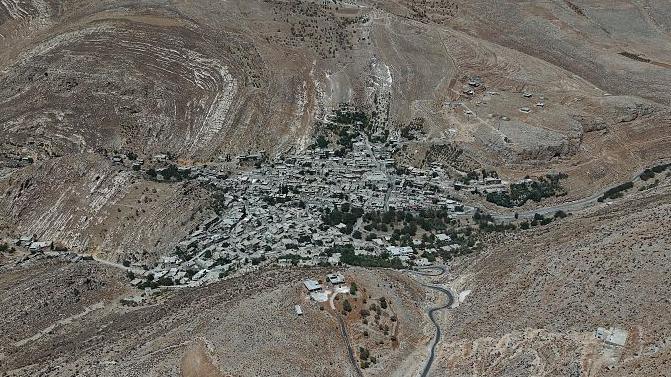
In a flash of hostilities, Israel targeted the village of Beit Jinn southwest of Damascus, reportedly striking a civilian vehicle and injuring several people. Syria condemned the assault as a clear violation of international law and state sovereignty. The Israeli military, however, claimed it was hitting a “terrorist” in the final stages of an imminent threat. Other Israeli strikes earlier this week—including an attack on the Abu al‑Duhur airbase—have further inflamed regional tensions, drawing criticism from Washington and prompting discussions about Turkey’s potential involvement. Amid this volatile backdrop, the Syrian regime continues to rebuild its military infrastructure while navigating fragile alliances with the West.
Israel Strikes Beit Jinn Village Near Damascus, Invoking Threats to Soldiers
A barrage from Israeli forces hit the village of Beit Jinn, southwest of Syria’s capital, according to Syrian officials. The strike reportedly damaged a civilian vehicle and left several people wounded.
Syria condemned the attack as a clear violation of its sovereignty and international law, describing it as the second known Israeli strike in the country within the past week.
In a tweet on X, the Israeli military said it had targeted a “terrorist” preparing an imminent attack against its soldiers, labeling the preparation as “in the final stages.”
The incident follows earlier reports that Israel struck a military airbase near the Turkish border, a move Syria said could further destabilise the region.
The United States issued a rare rebuke of Israel, calling the recent strikes an “unnecessary escalation” that does not advance regional stability. US Ambassador to Turkey Tom Barrack added that the strike might be an attempt by Israel to entice Turkey into conflict ahead of its upcoming elections.
Israel’s far‑right defence minister, Israel Katz, countered Barrack’s claims, stating Israel acted on “clear intelligence information about Turkey’s intentions.” He further noted that Israel and Syria had agreed to a status quo in security matters, which Syria was on the verge of breaching by allowing Turkish troops to deploy near an airbase near Aleppo.
After the Abu al‑Duhur airbase strike, Turkey denied any move towards deploying troops to the site, dismissing Israeli claims that it posed a threat.
The airbase, last operationally used in 2013, fell to rebel forces in December 2024, leaving it largely out of use. Israel occupies territory in southwest Syria seized after the fall of Bashar al‑Assad in 2024, while the Turkish military has been assisting Syria since the uprising. Despite this, Israel remains highly suspicious of both Turkey and Syria, viewing them as regional rivals.
Syrian President Bashar al‑Assad’s successor has strengthened ties with the West, notably visiting the White House in November 2025, signalling a potential shift in diplomatic direction.