In brief
Iran’s parliament speaker, Mohammad Bagher Ghalibaf, has warned the United States of a "faster, heavier and more painful" retaliatory strike following Washington’s recent bombing of Iranian oil tankers in the Strait of Hormuz. The warning comes after the U.S. military’s counter‑attacks on Iranian maritime assets, and shortly after claims of a naval confrontation in the region. Iranian state media reported a navy vessel striking an American remote‑controlled craft, a claim denied by U.S. officials. The conflict, which began around February, has disrupted oil flows and spiked global fuel prices, while diplomatic efforts have stalled. The stakes remain high with the Strait’s strategic importance and the potential for further escalation.
In a sharp escalation of tensions, Iran’s Parliament Speaker <b style="color:#d30000;">Mohammad Bagher Ghalibaf</b> warned that the United States would respond with a faster, heavier and more painful military strike following recent U.S. attacks on Iranian-linked vessels. The statement, translated from state‑media footage, came less than a week after Washington launched strikes on Iranian oil tankers in the Strait of Hormuz and a day after U.S. forces reportedly shot down an Iranian maritime patrol.
The U.S. Central Command, which confirmed that the attacks were aimed at Iranian-owned oil tankers, was quoted as saying the strikes were a direct response to Iran’s “intimidation tactics in support of destabilizing global energy markets.” Boat operators in the Gulf have reported growing anxiety as the conflict threatens to shut down a critical shipping lane that carries an estimated 9 million barrels of oil per day.
Iranian state media also reported that the naval forces destroyed an American remote‑controlled vessel attempting to enter the strait, a claim the United States denied. Central Command spokesperson Captain Tim Hawkins dismissed the claim as a “total lie.” In response, U.S. Defence Secretary Pete Hegseth threatened on social media that should Iranian forces target U.S. warships, the U.S. would destroy their oil tankers.
The ongoing skirmishes have already increased gas prices worldwide. As the U.S. midterm elections approach, President Donald Trump, who has repeatedly assured that the strait remains open, faces mounting pressure over the economic impact of the war. Analysts say the future of the strait’s security hinges on whether the U.S. and Iran can negotiate a ceasefire or further diplomatic engagement becomes impossible.
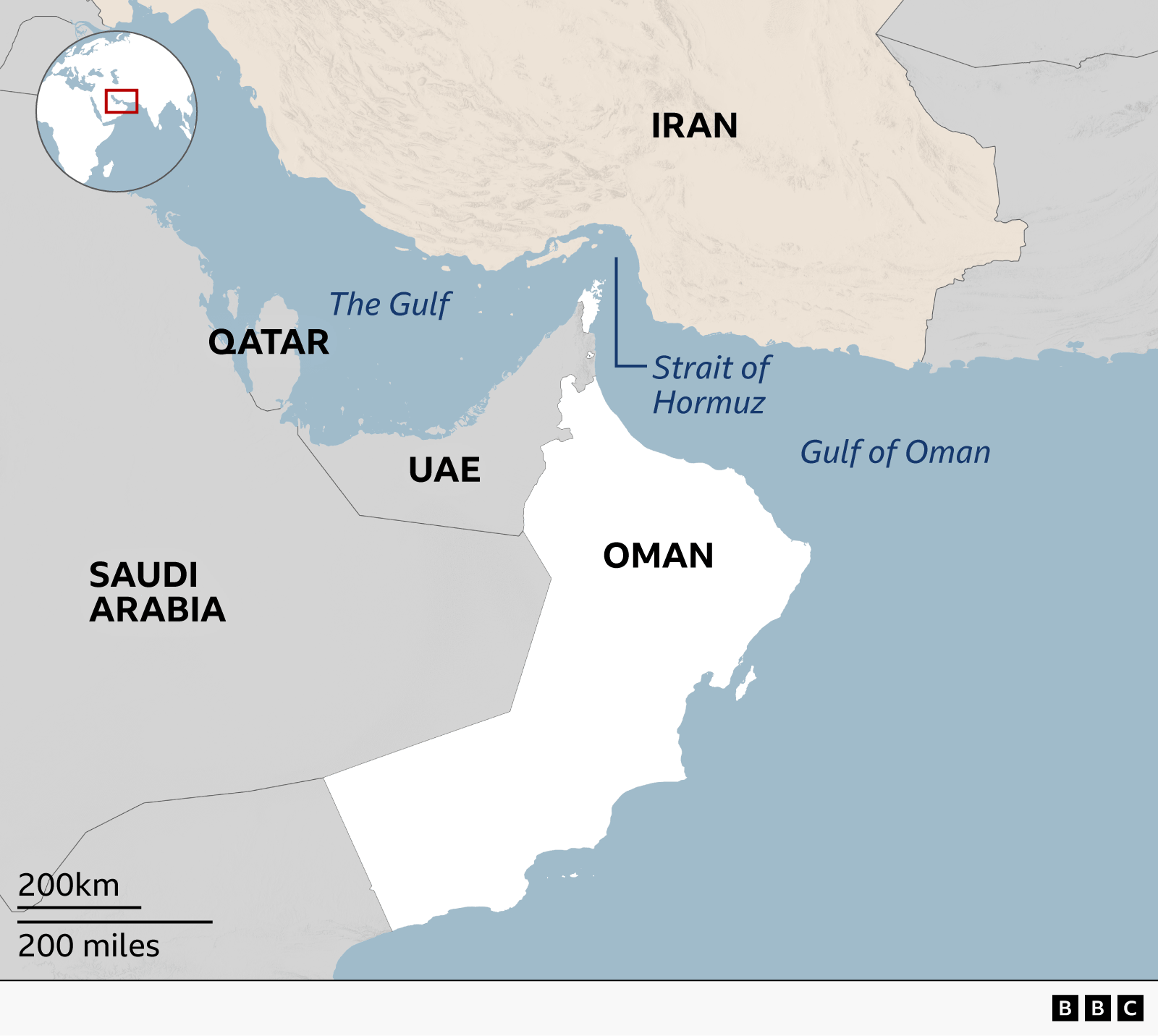
View the U.S. Central Command footage—or the accompanying map—which illustrates the strait’s crucial position between Iran, Oman and other Gulf states.
For additional coverage and in‑depth analysis, explore related stories on the status of the Strait of Hormuz and the wider implications for international oil markets.