In brief
Hurricane Melissa, currently a powerful storm with winds of 120 mph, is on course to hit Jamaica by Tuesday, bringing extreme rain and strong winds. Authorities urge residents to prepare for flash flooding and infrastructural damage. Although it may weaken to a category four storm, the hurricane's effects will still be severe, prompting evacuations and precautionary measures across affected areas.
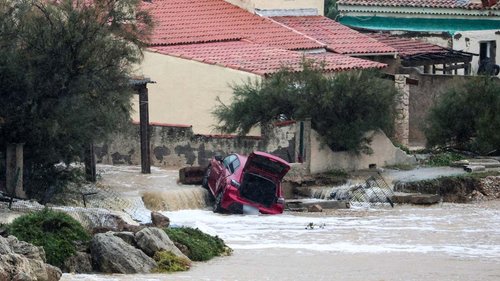
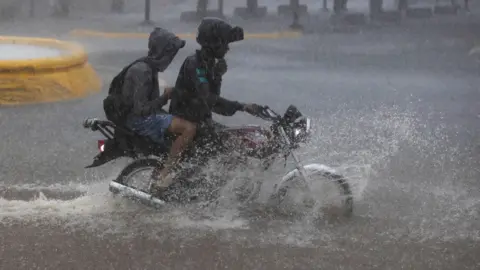
Hurricane Melissa is projected to strengthen into a rare category five storm as it heads towards Jamaica, threatening dangerous flash floods and landslides. As of 06:00 GMT, wind speeds reached up to 120 mph (195 km/h) and it is currently tracking northwest in the Caribbean. The US National Hurricane Center (NHC) warns of potential power outages and severe damage due to expected rainfall of up to 30 inches (76cm) and sea level surges of up to 13 feet (4m).Melissa is the 13th hurricane of the Atlantic season, which generally concludes in November. While predictions suggest the storm may weaken to a category four by the time it impacts Jamaica, the overall dangers remain significant with minimal differences noted in impact severity.Residents in Jamaica have been advised to expedite their preparations for the storm. Prime Minister Andrew Holness has acknowledged the public's concerns and emphasized the importance of readiness. Safety measures include securing properties with sandbags and wooden boards and stocking essential supplies.Warnings extend to parts of Haiti, the Dominican Republic, and eastern Cuba, where Melissa is expected to yield similar disruptions. The hurricane has already led to fatalities in Haiti due to landslides.As Melissa passes over Cuba, it is anticipated to be downgraded to a category three storm but still poses substantial risks as it continues its path in the Atlantic.Experts note the connection between climate change and the increasing severity of hurricanes, as warmer ocean temperatures tend to enhance hurricane formation and intensity. Before the current hurricane season, the US National Oceanic and Atmospheric Administration forewarned of above-normal activity due to these climatic conditions.