In brief
A new wave of inexpensive, homemade synthetic opioids—mixing fentanyl with ad‑hoc animal tranquilizers—has flooded U.S. streets, dramatically raising overdose fatalities. Veterans, skaters, and everyday residents are inhaling or snorting blisters of powdered drugs that are both potent and unpredictable. Local recovery groups are stepping up testing and education, but the supply chain remains largely underground and adaptable. The situation underscores the urgent need for both harm‑reduction tools and treatment access amid a shifting drug landscape.
The United States is facing a new, rapid‑spreading wave of low‑cost homemade synthetic drugs, driven by a cocktail that blends fentanyl with animal tranquilizers such as xylazine and medetomidine. This mixture is far more potent than traditional heroin and is often formed in suburban basements, making it harder to control and even more dangerous to use.
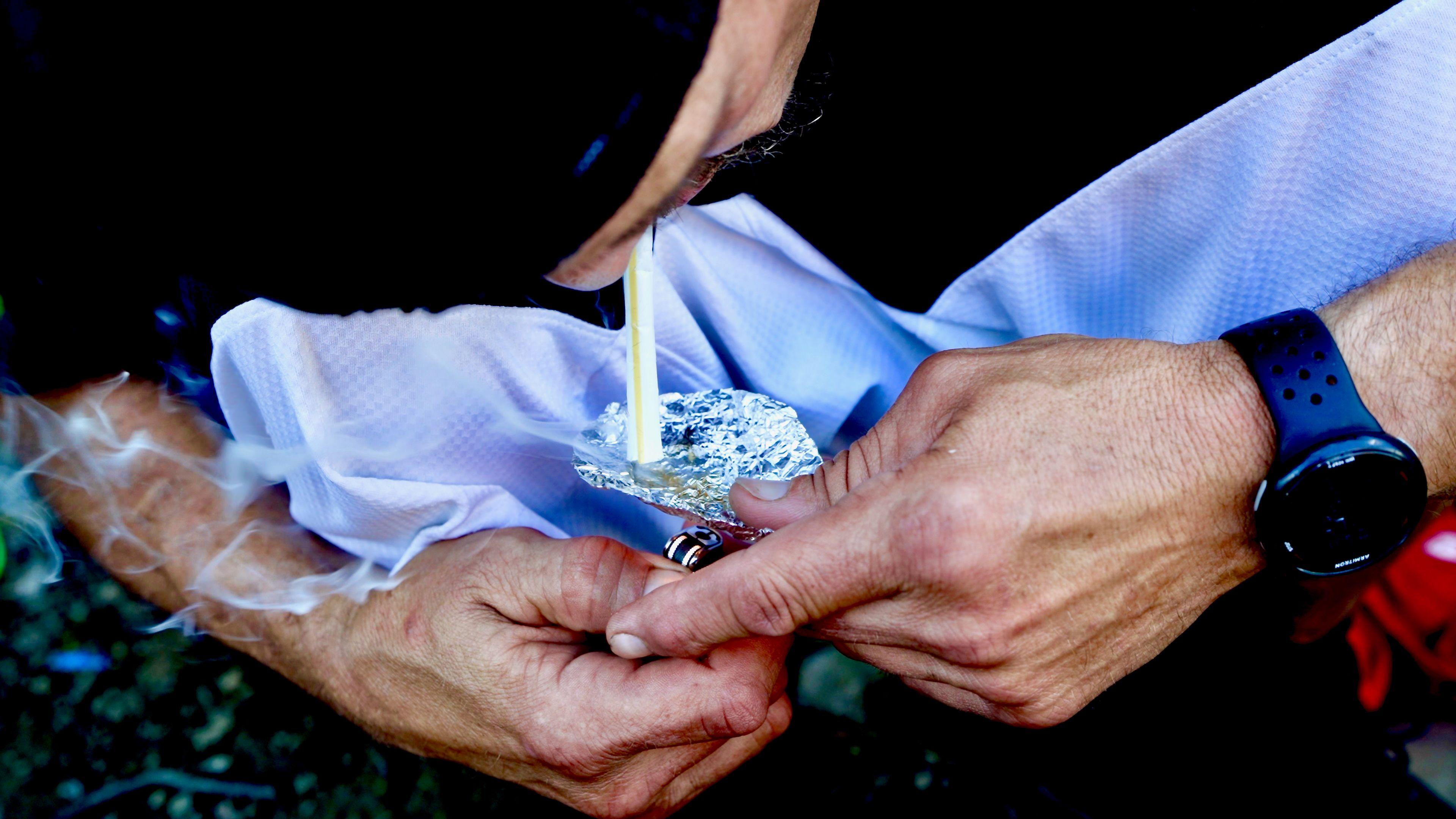
Police raids in Columbus and Chicago have uncovered these homemade blends hidden in paper, books, and even microwaved paper with escaped fumes. An early morning raid on Cook County’s largest jail revealed inmates using lit paper soaked in fentanyl to inhale the fumes, a clear example of how these substances have evolved to avoid detection.
Recovery Communities Step Forward
Groups such as Hope Dealers in Columbus and Liv4Lali in Chicago have introduced test strips that detect fentanyl, xylazine, and other adulterants. These organizations provide free naloxone kits and run weekly meetings where members share their experiences and gather support.

Yet, law‑enforcement acknowledges that tackling the supply side alone is insufficient. Sheriff Tom Dart notes that treatment and harm‑reduction programs in the prison system now serve as a critical line of defense against the outbreak.
As overdose deaths continue to climb—falling slightly from 110,000 in 2022 to around 70,000 in 2025—the United States faces an ever‑shifting drug crisis that now demands a renewed focus on both prevention and recovery resources.
If you or someone you know is in distress, contact a health professional or reach out to organizations such as Befrienders Worldwide.