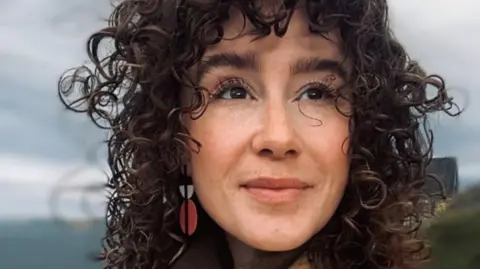
The people of Greenland do not want to become American, says Mia Chemnitz, a 32-year-old business owner in Nuuk. With the U.S. government actively discussing an offer to buy Greenland from Denmark, these sentiments are echoed across the island. The Trump administration has made comments suggesting a willingness to use force if necessary, leading to growing nervousness among Greenlanders.
Mia reflects a broader concern that recent U.S. military actions in Venezuela have made the prospect of annexation feel more tangible. If the unthinkable ever becomes a reality, my sister has a place to stay with us in Canada, says Tupaarnaq Kopeck, a Greenlander now living in Canada.
Aaja Chemnitz, a member of Denmark's parliament representing Greenland, views the U.S. rhetoric as a clear threat, stating that it's disrespectful to consider annexing another NATO ally's territory.
Greenland, which boasts vast natural resources and strategic military importance, has largely been self-governing but retains some control under Denmark. While some residents may feel neutral about U.S. ownership, many voice concerns that it would simply replace one colonial power with another.
Christian Keldsen from the Greenland Business Association expresses how the rhetoric from the U.S. is causing anxiety among the welcoming population, who feel that their strong democratic practices are at risk. Despite the ongoing dialogues, locals like Mia assert, we are not for sale, but we're open for business, clearly indicating they seek independence and respect rather than occupation.
Mia reflects a broader concern that recent U.S. military actions in Venezuela have made the prospect of annexation feel more tangible. If the unthinkable ever becomes a reality, my sister has a place to stay with us in Canada, says Tupaarnaq Kopeck, a Greenlander now living in Canada.
Aaja Chemnitz, a member of Denmark's parliament representing Greenland, views the U.S. rhetoric as a clear threat, stating that it's disrespectful to consider annexing another NATO ally's territory.
Greenland, which boasts vast natural resources and strategic military importance, has largely been self-governing but retains some control under Denmark. While some residents may feel neutral about U.S. ownership, many voice concerns that it would simply replace one colonial power with another.
Christian Keldsen from the Greenland Business Association expresses how the rhetoric from the U.S. is causing anxiety among the welcoming population, who feel that their strong democratic practices are at risk. Despite the ongoing dialogues, locals like Mia assert, we are not for sale, but we're open for business, clearly indicating they seek independence and respect rather than occupation.