In brief
The ongoing government shutdown has led to severe implications for Americans relying on food assistance and health care, with services like SNAP facing delays and health insurance premiums set to rise dramatically. A lack of legislative progress and an infusion of pressure from constituents has left lawmakers entrenched in their positions, marking this shutdown as one of the longest in U.S. history. Federal workers are missing paychecks, while the political deadlock continues unabated.
WASHINGTON (AP) — Amid unresolved issues at the heart of the government shutdown, the implications are becoming dire for millions of Americans. Delays in the Supplemental Nutrition Assistance Program (SNAP) threaten to leave families short on groceries, while federal judges have intervened to prevent immediate cuts to the program amidst the turmoil.
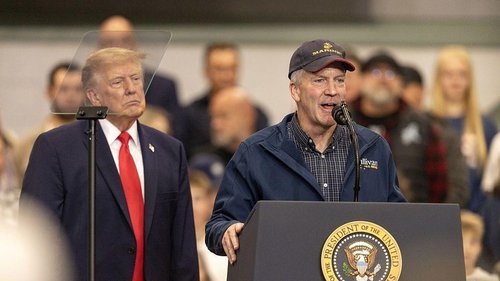
The government shutdown, which has entered its second month, shows little urgency for resolution, with President Trump advocating for changes to the Senate filibuster rules as a means to push through funding legislation. However, Republican leaders have swiftly dismissed his proposals, further entrenching both parties in their respective positions.
The shutdown's impacts extend beyond food assistance; the annual sign-up period for the Affordable Care Act begins on Saturday, unveiling sharp increases in health insurance premiums for many families. Democrats are pushing for the extension of enhanced tax credits, which are set to expire next year, leading to heightened concern among constituents who may face devastating costs.
With federal workers now going without full paychecks for over a month, unions are ramping up pressure on Congress for a resolution, culminating in calls from union leaders for immediate government re-opening and negotiations on health care policy thereafter.
As lawmakers return to Capitol Hill, the mounting pressure from both constituents and union leaders could finally tilt the balance towards a resolution, but as of now, the deadlock remains.