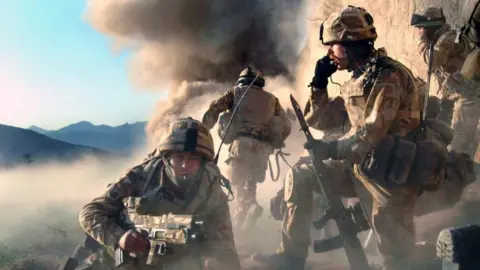
Blast walls, rocket attacks, Forward Operating Bases (FOBs), Improvised Explosive Devices (IEDs)... and long queues in the canteen. Anyone who deployed to Afghanistan, in whatever role, between 2001-2021 will have their own vivid memories of that time.
It started with the flight in – to Kandahar, Kabul or Camp Bastion. It could be a long, slow descent with the lights out on an RAF jet or a rapid, corkscrew down in a C-130 transport plane, both aiming to avoid Taliban surface-to-air missiles.
Over 20 years, thousands of servicemen and women, as well as civilians from dozens of countries, responded to the U.S. call for assistance under NATO’s Article 5, forever changing military engagement history.
Following the 9/11 attacks, where nearly 3,000 lives were lost due to al-Qaeda's assault on the U.S., a coalition formed to dismantle the Taliban regime shielding the attackers.
The Taliban were removed swiftly, but the coalition faced the enduring task of locating al-Qaeda remnants amid ongoing violence. Despite initial quiet, the conflict escalated into a fierce battle, particularly for troops stationed in southern Afghanistan.
As the U.S. transitioned its focus to Iraq, the UK and allies witnessed the ferocity of combat intensify, especially in Helmand. This unforeseen intensity raised alarms within military ranks and shocked many in government ranks.
Across the ensuing years, combat not only involved Western troops but also Britons, Danes, Canadians, and many others, each facing incredible dangers from IEDs and unpredictable enemy initiatives.
This article commemorates the heroic sacrifices of foreign soldiers and Afghan forces alike, reflecting on the cost of engagement and the resilience of individuals rebuilding lives post-conflict. It also addresses recent claims that downplay the intensity of their contributions, invoking national outrage among veterans and their families.