In brief
The article explores the growing tension and challenges faced by middle powers in a shifting global order that resembles the pre-World War II era. With U.S. President Donald Trump's 'America First' strategy and the unequal distribution of the benefits of a rules-based international order, countries like Canada and those in Europe are urged to unite and prepare for a new political landscape marked by great power rivalries and unilateral actions.
The world stands at a crossroads as the international dynamic edges back to a pre-World War II order, prompting a re-evaluation of global relationships and responsibilities among nations. Middle powers, often referred to as the 'in-between nations,' find themselves in a position of unprecedented vulnerability in the face of US unilateralism and diminishing international consensus.
Donald Trump's administration has emphasized a return to a more assertive American foreign policy, rejecting the norms established post-World War II that sought to promote cooperation and multilateralism. With mandated increases in defense spending, European nations have begun to coalesce around a new framework of security, one shaped by the United States' demands for more equitable burden-sharing.
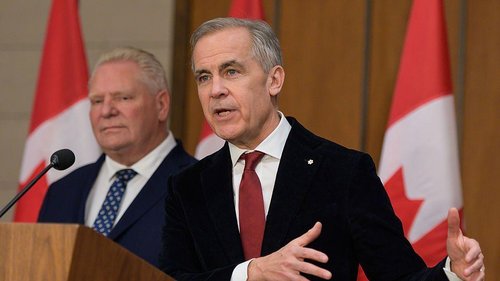
During a recent address at the World Economic Forum in Davos, Canadian Prime Minister Mark Carney underscored the crucial need for 'middle powers' to unite in their collective interests. Carney’s vision captures the sentiment among many leaders that without solidarity, their nations could easily find themselves sidelined in favor of larger powers, echoing a warning that 'if you're not at the table, you're on the menu.'
Amidst rising geopolitical tensions and the fracturing of the global consensus, it becomes increasingly imperative for nations like Canada and those in Europe to enhance their collaborative efforts, ensuring their voices are heard and championing the tenets of a fair international order. This requires not merely adaptations to new realities but a vigorous defense of the principles that underpin peace and stability in the post-war world.
As history illustrates the perils of unchallenged power, modern middle powers must develop robust strategies to counterbalance emerging challenges, reconceptualizing their roles in a world at risk of reverting to might versus right.