In brief
Germany's military expansion is driven by perceived threats from Russia, prompting a drastic rethink of its defense priorities. As NATO faces increasing challenges, Germany aims to boost its armed forces by investing substantially and establishing a strong military presence in Europe. General Carsten Breuer leads this initiative, recognizing the urgency to prepare for potential conflicts as Russia ramps up its military efforts.
General Carsten Breuer is a man in a hurry. As head of Germany's armed forces he's the most powerful, and arguably the most important, soldier in Europe. He's been tasked with the rapid expansion of Germany's armed might, turning its army into the continent's most powerful fighting force.
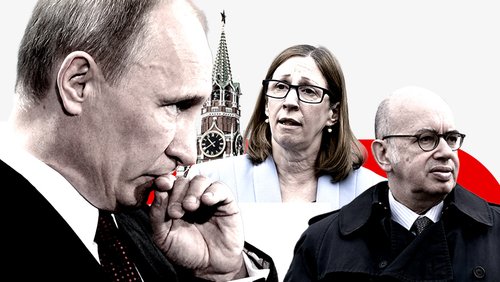
For he believes Russia's ongoing attempts to bolster its military through increased recruitment and investment in weaponry will leave it strong enough to launch an attack on a NATO territory by 2029.
I've never experienced a situation which is as dangerous, as urgent, as it is today, he told me at a military base in Munster, near the Dutch border.
So what we are seeing, what we are facing, is a threat from Russia. We can clearly see that Russia is building up its military to a strength which is nearly double the size of what they had before the war against Ukraine… In 2029 it will be possible for Russia to conduct a major war against NATO. And as a soldier I have to say 'okay, we have to be prepared for this.'
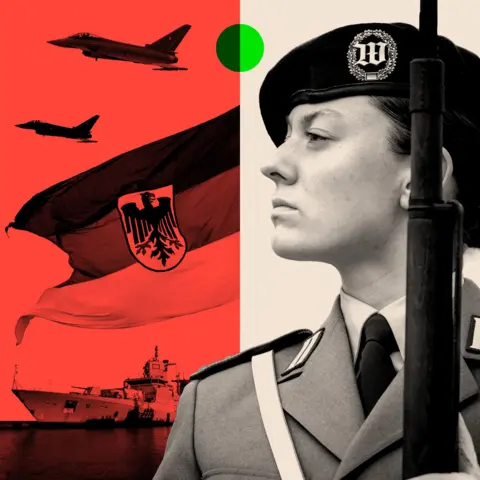
Breuer’s military expansion plans include increasing personnel and spending, with Germany projected to invest €162 billion (£140.2 billion) on military by 2029. Opinion polls indicate strong public support for this military boost.
General Breuer’s ranks, comprising 182,000 soldiers, are set to grow with a recruitment drive aimed at young men. He has also suggested a return to conscription if voluntary recruitment does not meet targets as Germany seeks to enhance its defense capabilities significantly.
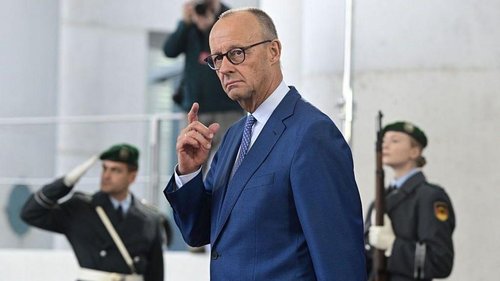
Amidst historical anxieties about militarization, this shift has garnered mixed reactions. Neighbors like Poland welcome Germany's military presence, citing a need for stronger collective defense. German Chancellor Friedrich Merz has acknowledged the necessity of operational independence within NATO and a reorientation towards a more self-sufficient military establishment, as reflected in increasing local munitions production.
General Breuer’s push for a powerful Armed Forces marks a significant transformation for Germany, one that is designed not only to deter threats from Russia but to reshape the dynamics of European security and defense in a post-Cold War context.