In brief
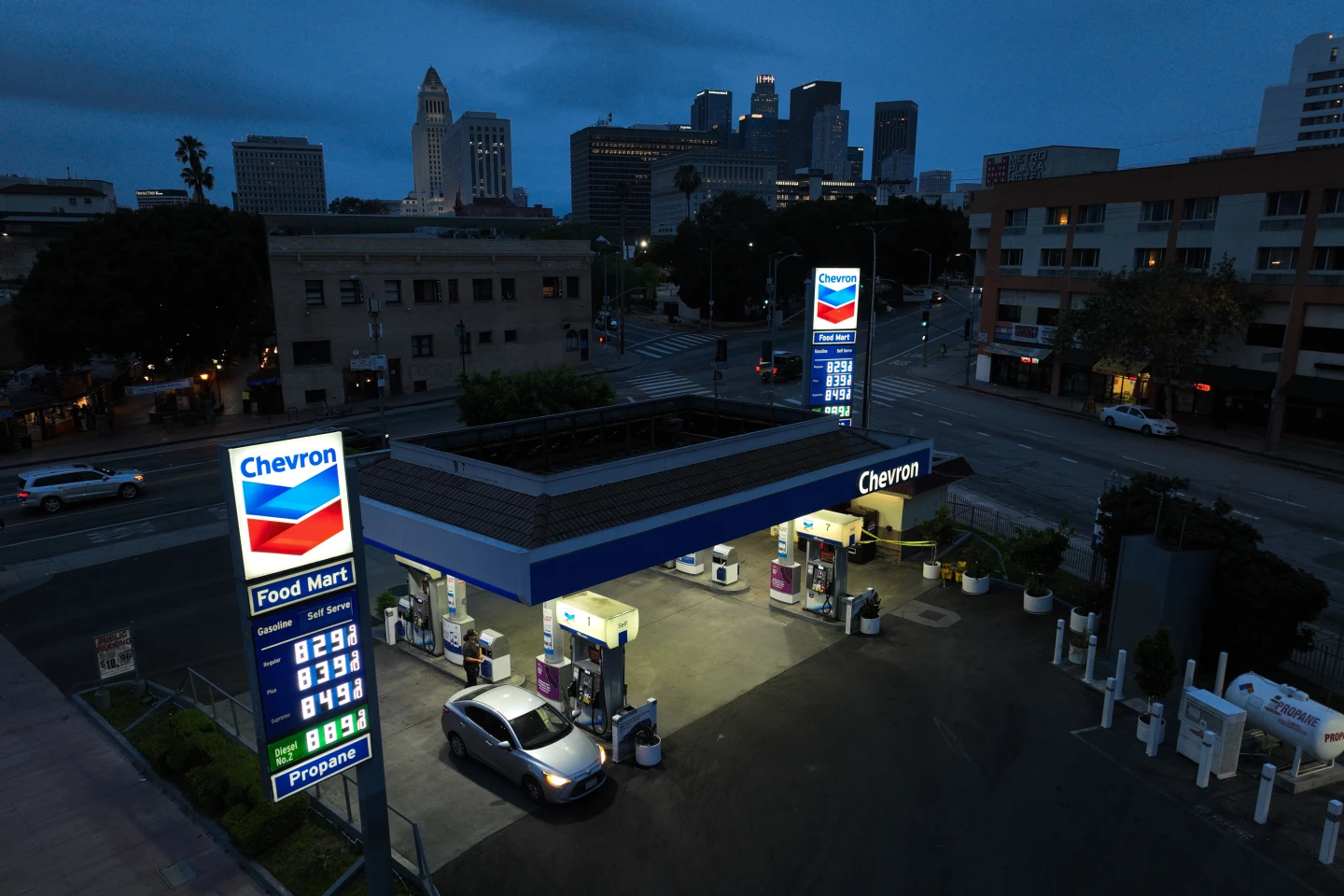
U.S. gas prices have reached their highest levels since 2022, surpassing $4 per gallon, as the ongoing conflict in Iran impacts global fuel costs. Gas stations are struggling to adapt to rapid price changes driven by volatile crude oil prices, leaving consumers frustrated and potentially cash-strapped.
DES MOINES, Iowa (AP) — The near-daily changes in U.S. gas prices have left drivers feeling frustrated and financially strained as fuel costs reach their highest levels since 2022.
Due to the ongoing conflict in Iran, global prices have surged, driving the U.S. average for a gallon of gas above $4, according to AAA.
Prices seem to fluctuate daily or even hourly, forcing drivers to figure out the best times to refill while searching for cheaper options nearby. Experts note that the variance in pricing is not solely up to individual gas retailers, which are often not taking in all the additional revenue during price spikes. This uncertainty stems from a volatile oil and gas market that prevents gas stations from maintaining stable pricing.
Lonnie McQuirter, operations director at 36 Lyn Refuel Station in Minneapolis, reported his profit margins have tightened significantly. His station offers gasoline at $3.399 per gallon, approximately 18 cents lower than the regional average on Wednesday. 'We price based on our fuel purchasing costs and general operational efficiency,' he shared, adding that each station has unique economic factors at play.
Wholesale fuel prices change multiple times a day, impacting what retailers can charge at the pump. McQuirter also mentioned increasing credit card transaction fees and maintenance costs affecting his pricing decisions.
Understanding Gas Price Fluctuations
Gas prices are influenced by various factors outside the control of individual retailers. Approximately half of the price at the pump is allocated to crude oil costs, while about 20% goes to refiners responsible for converting crude into gasoline. Current tensions and disruptions related to the ongoing Iran war have exacerbated crude oil prices.
Taxes also play a substantial role, comprising nearly 20% of pump prices, with different states imposing various rates. California, for instance, has some of the highest gas taxes in the country at about 71 cents per gallon, contrasting sharply with Alaska's 9 cents.
As retailers adjust their prices based on the most recent shipments they receive, fluctuations are expected to continue. As Patrick De Haan of GasBuddy explains, gas station owners often find themselves reacting to market conditions rather than controlling them.
Impacts on Retailer Profitability
Despite the significant volume of gas sales, U.S. retailers typically see reduced profits during price increases. As De Haan pointed out, it becomes more challenging for retailers to pass along costs promptly. Meanwhile, higher gas prices can negatively affect sales across the station as customers reduce spending on convenience items. Industries and consumers alike watch the trends closely, mindful that while some benefits exist for upstream oil producers, significant price spikes might soon lead to diminished demand.