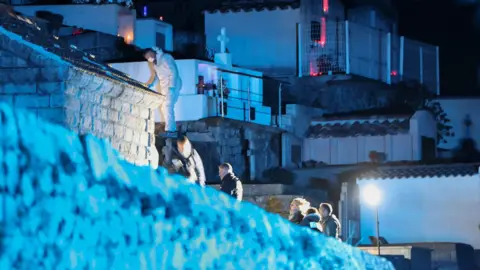
The mourners had gathered in the small village of Vero, a half-hour drive from Ajaccio, the capital of the picture-postcard Mediterranean island of Corsica.
In their midst was former nationalist leader Alain Orsoni, 71, who had flown in from exile in Nicaragua to bury his mother. Suddenly, with the ceremony under way, a single shot was fired from nearby scrubland, killing Orsoni instantly.
Thirty-five people have been fatally shot on this island of 350,000 people in the past three years alone, giving it one of France's highest murder rates. Corsicans have become wearily familiar with vendettas and tit-for-tat underworld shootings, but even here, the way Orsoni was killed has stunned islanders.
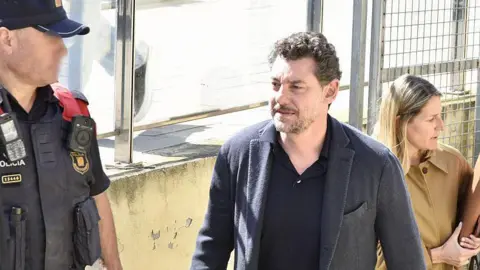
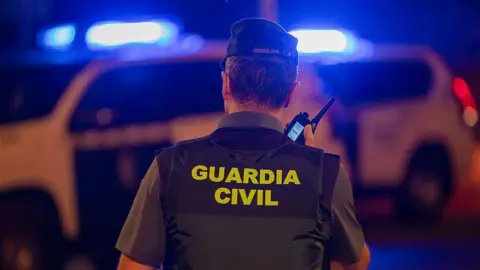
Yesterday, Alain Orsoni was cremated after a funeral service in Ajaccio. There was a large police presence.
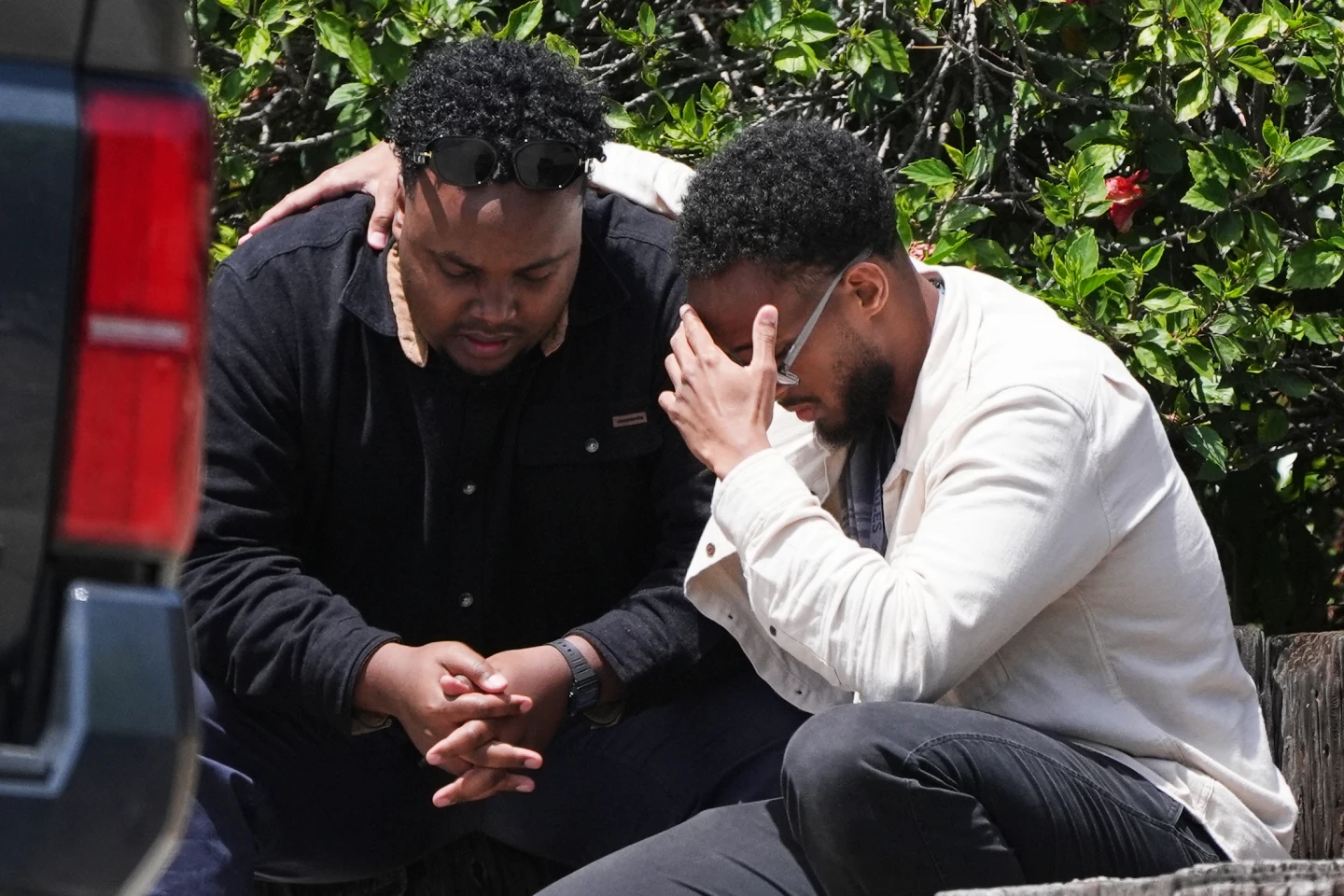
Close friend Jo Peraldi finds it hard to believe that a day of high emotion surrounding the funeral of Orsoni's mother could have been defiled in such a way. A cemetery is sacred in Corsica, just like a church. Never have I witnessed seeing someone murdered while accompanying their mother to their final resting place, he told Corsican radio.
Orsoni's killing, a cousin named Christian Leca described it as a tipping point in the horror. He expressed outrage stating, People don't kill in cemeteries, it's intolerable. The nature of violence in Corsica, previously driven by nationalist sentiments, has increasingly shifted towards organized crime.
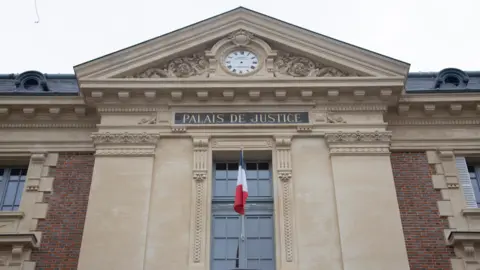
Judges in Paris specializing in tackling organized crime are investigating Orsoni's shooting alongside the regional prosecutor's office in Marseille. Gilles Simeoni, Corsica's regional authority president, remarked that Orsoni's assassination elevates the mafia pressure on Corsican society, reflecting a broader sentiment of fear and instability.
Actor and football club president, Orsoni had a notorious history within Corsica's nationalist movement, spending time in jail for bomb attacks aimed at French governance. His family has long been entangled in the island's violent saga, with history rich in vendettas that defy time.
In the wake of Orsoni's death, fears of revenge killings loom large. Alain Bauer, a criminology professor, predicted that violence would not only persist but likely escalate, further complicating Corsica's already tenuous grip on peace. The plea for an end to violence from figures such as Cardinal François Bustillo underlines the urgent need for change in the prevailing culture of retribution.