In brief
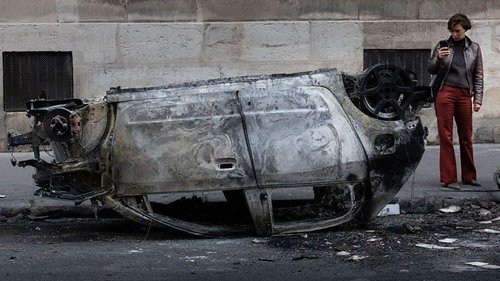
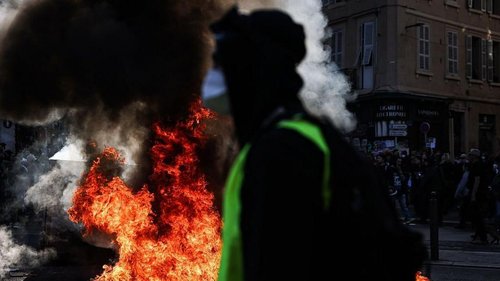
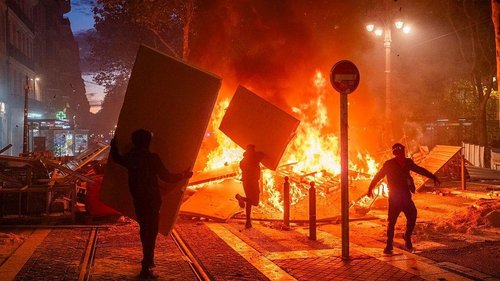
Over a weekend of civil unrest, violent protesters in France set fire to vehicles, shops and historic monuments, including the Place de la Republique in Paris and the city hall in Marseille. Local curfews and riot control measures were hastily imposed, but police struggled to contain the riots in several major cities. City officials decried the loss of control, and the national government has called for curfews in affected areas while confronting the threat of a further escalation.
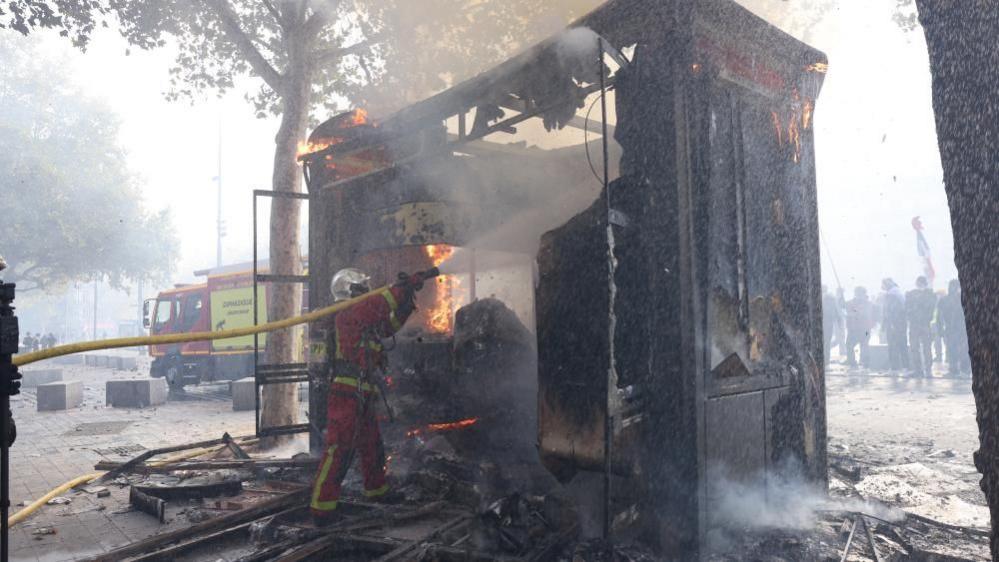
Over a weekend of civil unrest, violent protesters in France set fire to vehicles, shops and historic monuments, including the Place de la Republique in Paris and the city hall in Marseille.
In Paris, flames broke out on the iconic square as protestors destroyed kiosks and shattered shop fronts. The graffiti‑covered statue of the Republic was draped in a yellow safety vest, a symbol of the movement that helped coordinate the protests.
In Marseille, a mob broke into the city hall, smashing windows while a bust of Marianne was knocked to the floor. The mayor announced that the government was “shamed by the chaos” and that strict measures were needed to restore order.
Local curfews were imposed by Lyon and other cities after the protestors set fire to the tourist office and damaged other historic sites. Emergency crews battled a fire that partially collapsed the 143‑year‑old town hall in Limoges, a building largely lost to the blaze.

Interior Minister Laurent Nuñez offered his resignation after authorities were unable to quell the violence, a resignation that was rejected by Prime Minister Sébastien Lecornu. The government has empowered local mayors to impose curfews in hotspots to protect residents and preserve property.
With the nation watching, French officials face the looming threat of further violence as the protests are expected to continue next Saturday, sparking anxieties nationwide about the stability of the capital and the country at large.