In brief
Nine days after twin earthquakes struck Venezuela, more than 2,600 people are dead. A storage yard in La Guaira has been converted into a makeshift morgue where families wait hours to confirm the identities of their loved ones. Bodies wrapped in plastic bags lie in sun‑blasted tents while forensic specialists use digital images and dental records to match victims. Witnesses describe a scene of silence the only relief, the smell of decomposition, and the emotional toll of seeing a screen flicker with the faces of missing relatives. The process is slow, with families often having to spend days inside a room of bodies and watch while workers paint their own grief with sterile gloves and a weight of responsibility.
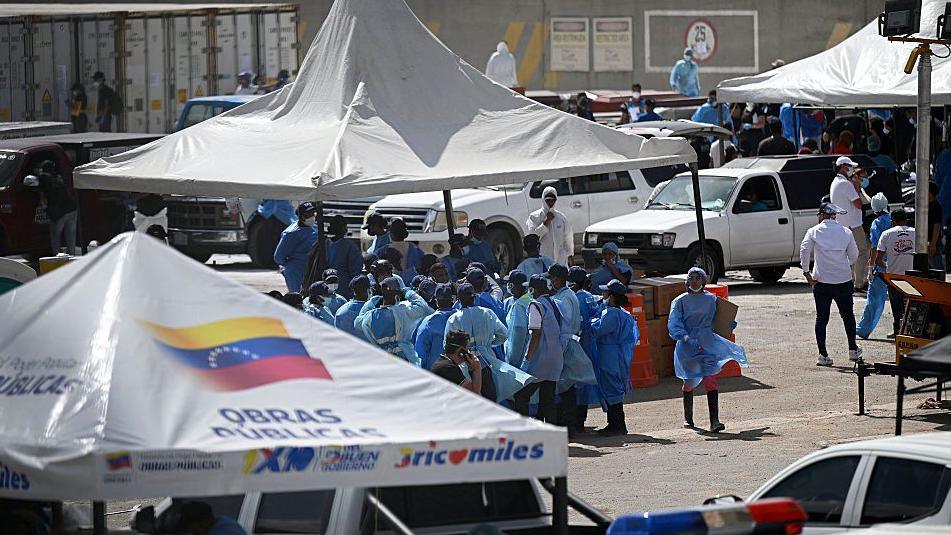
At a port storage site in La Guaira, turned into a makeshift morgue, families line up to try to confirm the identities of victims of the twin earthquakes that shook Venezuela on June 27.
In the sweltering heat the bodies, wrapped in plastic, lie in long rows. The smell of decomposition presses on those who stand in silent chairs, waiting for a breath of confirmation that their loved ones and still not found among the list of names on the emergency registers.
Medical and forensic teams move through the tented area, photographing each body. Two large screens glow, flicking through thousands of images. A woman flicks her face a soft, tear‑filled look; others lean forward, searching for a tattoo, a scar or a piece of clothing that might prove identity. Successes and failures mingle in one place where the past has befallen dawn on the present.
Families stay outside the tent for hours, watching while uniforms in blue and white stand a few metres away. The gates behind them are locked by armoured personnel. In one corner a 60‑year‑old woman eventually recognises her nephew by the tattoo that sits on his forearm. She declares how the picture saved her from a never‑ending nightmare of guessing.
Even for those who have lost the chance to identify, the situation is dire. Families around them, like Jéssica Soto who waits for her granddaughter’s ashes, are trapped in a cycle that may take days, even weeks, to move from identification to paperwork to removal.
The makeshift morgue, known locally as Los Silos, is a narrow corridor of white and grey tents built to hold bodies and give families the only chance to trace the names of victims on a vast list that has grown by the day.